
Introduction
Why Mental Health Matters
Understanding Mental Health in Daily Life
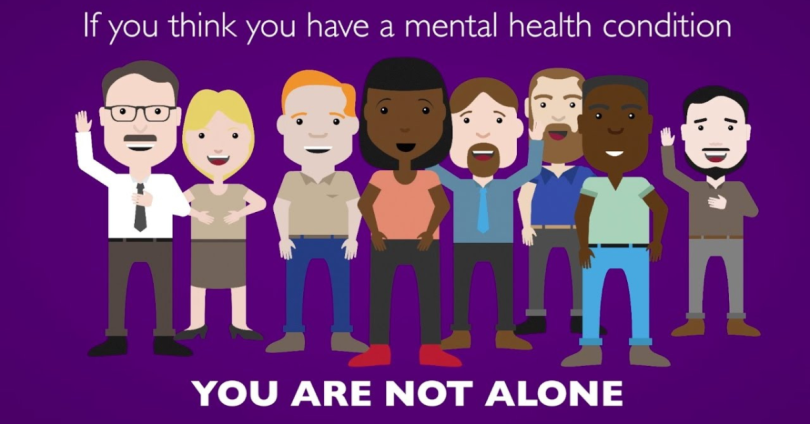
Mental health is an essential part of overall well-being. It influences how people think, feel, and behave in their daily lives. Good mental health helps individuals manage stress, build healthy relationships, make informed decisions, and cope with life’s challenges. Just as physical health requires attention and care, mental health also deserves understanding, support, and regular maintenance.
The Importance of Recognizing Early Warning Signs
Why Early Detection Is Important
Recognizing the early warning signs of mental health problems can make a significant difference. Changes in mood, behavior, sleep patterns, energy levels, or social interactions may indicate that someone is struggling. Identifying these signs early allows individuals to seek help before the condition worsens, improving the chances of effective treatment and recovery. Early intervention also reduces the risk of long-term emotional, social, and physical consequences.
What Readers Will Learn

Overview of Key Topics Covered
This article explores the importance of mental health and the value of early detection. Readers will learn about common warning signs of mental health conditions, factors that may contribute to mental health challenges, and practical strategies for maintaining emotional well-being. The article also highlights when and how to seek professional support, empowering readers to take positive steps toward better mental health for themselves and those around them.
What Is Mental Health?
Definition of Mental Health
Mental health refers to a person’s emotional, psychological, and social well-being. It affects how individuals think, feel, and act in daily life, as well as how they handle stress, relate to others, and make decisions. Good mental health does not mean feeling happy all the time; rather, it means being able to cope with life’s ups and downs in a balanced and healthy way.
Difference Between Mental Health and Mental Illness
Mental health and mental illness are related but not the same.
Mental health is a broad term that describes overall emotional and psychological well-being. Everyone has mental health, just like everyone has physical health.
Mental illness, on the other hand, refers to specific medical conditions that affect mood, thinking, and behavior, such as depression, anxiety disorders, or schizophrenia. A person can experience poor mental health without having a diagnosed mental illness, and someone with a mental illness can still experience periods of good mental well-being with proper treatment and support.
Why Mental Well-Being Is Important
Mental well-being plays a key role in overall quality of life. It influences how people manage stress, build relationships, perform at work or school, and make everyday decisions. Strong mental well-being improves resilience, helps individuals recover from setbacks, and supports healthier physical health. Prioritizing mental well-being also reduces the risk of developing mental health problems and promotes a more balanced, productive, and fulfilling life.
What Are Mental Health Problems?
Definition and Overview
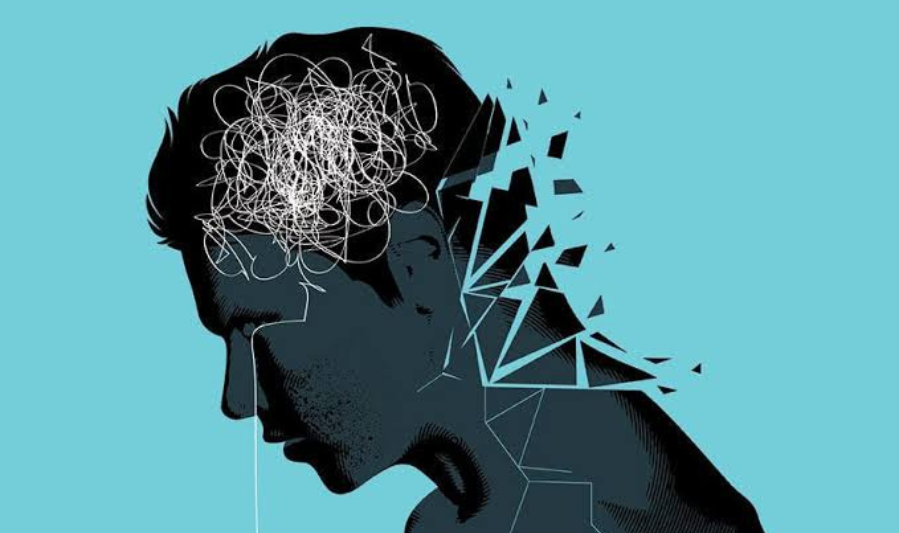
Mental health problems refer to conditions that affect a person’s thinking, emotions, behavior, or overall psychological functioning. These issues can range from mild and short-term difficulties to long-term disorders that significantly impact daily life. They may develop due to a combination of genetic, biological, environmental, and social factors, and can affect anyone regardless of age, gender, or background.
Common Mental Health Conditions
Some of the most common mental health conditions include:
- Depression – A persistent feeling of sadness, loss of interest, and low energy.
- Anxiety disorders – Excessive worry, fear, or nervousness that interferes with daily activities.
- Bipolar disorder – Extreme mood swings, including emotional highs (mania) and lows (depression).
- Schizophrenia – A severe condition that can affect thinking, perception, and behavior.
- Obsessive-compulsive disorder (OCD) – Repetitive thoughts and behaviors that feel uncontrollable.
These conditions vary in severity and may require different types of treatment, including therapy, medication, or a combination of both.
How Mental Health Problems Affect Daily Life
Mental health problems can influence nearly every aspect of a person’s life. They may make it difficult to concentrate at work or school, maintain relationships, or complete everyday tasks. Some individuals may experience changes in sleep patterns, appetite, or energy levels. In more severe cases, mental health issues can lead to social withdrawal, reduced productivity, and feelings of hopelessness. With proper support and treatment, many people are able to manage their symptoms and improve their quality of life.
Why Early Recognition Is Important
Benefits of Identifying Symptoms Early
Recognizing mental health symptoms at an early stage can make a significant difference in a person’s well-being. Early identification allows individuals to understand what they are experiencing and take proactive steps before the condition worsens. It can also reduce confusion, fear, and stigma by encouraging timely awareness and open discussion about mental health concerns.
Impact on Treatment and Recovery
Early recognition often leads to more effective treatment and better recovery outcomes. When symptoms are addressed sooner, interventions such as therapy, counseling, or lifestyle changes tend to work more efficiently. Individuals are also more likely to respond positively to treatment because the condition has not yet become deeply established or severe. This can shorten recovery time and improve long-term mental stability.
Preventing Symptoms from Becoming More Severe
If mental health issues are ignored, they may gradually intensify and become harder to manage. Early recognition helps prevent this progression by allowing timely support and care. It reduces the risk of complications such as chronic stress, social withdrawal, or worsening emotional distress. Acting early can protect overall quality of life and help individuals maintain healthier routines, relationships, and functioning.
Common Signs of Mental Health Problems
Persistent Sadness or Depression
A continuous feeling of sadness, emptiness, or emotional low that lasts for weeks or longer can be a sign of depression, especially when it does not improve with time or positive events.
Excessive Anxiety or Constant Worry
Ongoing worry, fear, or nervousness that feels difficult to control and interferes with daily life may indicate an anxiety-related condition.
Mood Swings
Frequent and intense changes in mood—such as shifting quickly from feeling very happy to very low or upset—can be a warning sign of underlying mental health issues.
Irritability or Anger
Unusual or frequent irritability, frustration, or anger over small matters may reflect emotional distress or difficulty managing stress.
Social Withdrawal
Avoiding friends, family, or social activities and preferring isolation can be a sign that a person is struggling emotionally.
Loss of Interest in Activities
A noticeable lack of interest or enjoyment in hobbies, work, or activities that were once pleasurable is commonly linked to depression.
Difficulty Concentrating
Trouble focusing, making decisions, or staying attentive can affect performance at work, school, and in daily tasks.
Memory Problems
Experiencing forgetfulness or difficulty remembering information may sometimes be associated with mental fatigue or emotional stress.
Changes in Sleep Patterns
Sleeping too much or too little, or having trouble falling or staying asleep, can be a key indicator of mental health concerns.
Changes in Appetite or Weight
Significant increase or decrease in appetite, leading to noticeable weight changes, may be linked to emotional or psychological distress.
Low Energy or Fatigue
Persistent tiredness, even after rest, can be a common symptom of conditions like depression or chronic stress.
Feelings of Hopelessness or Worthlessness
Ongoing negative thoughts about oneself, life, or the future may indicate a serious mental health condition and should not be ignored.
Unexplained Physical Symptoms
Headaches, stomach aches, or other physical complaints without a clear medical cause can sometimes be connected to mental health issues.
Increased Use of Alcohol or Drugs
Using substances to cope with stress, anxiety, or emotional pain can be a warning sign of underlying mental health struggles.
Thoughts of Self-Harm or Suicide
Thoughts about self-harm or ending one’s life are serious warning signs that require immediate attention and professional support.
Emotional Signs
Feeling Overwhelmed
A person may feel unable to cope with everyday responsibilities or challenges, even when they are manageable. This constant sense of pressure can make simple tasks feel exhausting.
Frequent Crying
Crying more often than usual, sometimes without a clear reason, can indicate emotional distress or difficulty processing feelings.
Emotional Numbness
Some individuals may feel “empty” or disconnected from their emotions. This lack of feeling can be a response to prolonged stress, depression, or trauma.
Fear or Panic
Intense feelings of fear, worry, or sudden panic without an obvious cause may suggest anxiety-related issues. These feelings can also come with physical symptoms like a racing heart or shortness of breath.
Difficulty Managing Emotions
Struggling to control emotional reactions—such as becoming upset very quickly or feeling emotions too intensely—can be a sign of underlying mental health challenges.
You may also like to read these posts:
Artificial Intelligence: Shaping the Future of Humanity
Understanding Machine Learning and Its Real-World Applications
Understanding Data Science and Its Real-World Applications
Medical Facts You Should Know for a Healthier Life
Behavioral Signs
Avoiding Responsibilities
A person may begin to neglect daily tasks, duties, or obligations at work, school, or home. This avoidance can be a sign of emotional exhaustion or difficulty coping with stress.
Decline in Work or School Performance
A noticeable drop in productivity, concentration, or quality of work may indicate that someone is struggling with their mental health and finding it hard to stay focused.
Risky or Impulsive Behavior
Engaging in unsafe or impulsive actions without considering consequences—such as reckless driving or sudden major decisions—can sometimes reflect underlying emotional distress.
Changes in Personal Hygiene
A decline in self-care, such as not bathing regularly, wearing unclean clothes, or neglecting appearance, may be a warning sign of mental health difficulties.
Isolation from Loved Ones
Withdrawing from family, friends, or social support systems
Faqs:
What are the early signs of mental health problems?
Early signs may include persistent sadness, excessive worry, mood swings, changes in sleep or appetite, withdrawal from social activities, and difficulty concentrating. These signs often become noticeable when they start affecting daily life.
Can mental health problems go away on their own?
Some mild symptoms may improve with time, rest, and lifestyle changes, but many mental health conditions require proper support or treatment. Without help, symptoms can worsen, so early attention is important.
When should someone seek professional help for mental health issues?
Professional help should be considered if symptoms last more than two weeks, interfere with daily activities, affect relationships, or include thoughts of self-harm or suicide. Early treatment leads to better recovery.
Are mental health problems treatable?
es, most mental health problems are treatable. Treatment options include therapy, medication, lifestyle changes, and support systems. Many people recover fully or learn to manage their conditions effectively.
How can I support someone who may be struggling with mental health issues?
You can support them by listening without judgment, encouraging them to seek professional help, staying in touch, being patient, and learning more about their condition. In urgent cases, help them contact a mental
Conclusion
Mental health problems can affect anyone, and their signs often appear gradually in thoughts, emotions, behavior, and daily functioning. Recognizing early warning signs such as persistent sadness, anxiety, withdrawal, sleep changes, or loss of interest in activities is an important step toward getting help.
Understanding these signs not only helps in early identification but also reduces stigma and encourages open conversations about mental well-being. With timely support, proper treatment, and healthy lifestyle changes, most mental health conditions can be managed effectively.
If you or someone you know is experiencing ongoing emotional or behavioral changes, reaching out to a trusted person or a mental health professional can make a meaningful difference. Taking care of mental health is not a sign of weakness—it is an essential part of living a healthy and balanced life.