
Introduction
What is mental health?
Mental health refers to a person’s emotional, psychological, and social well-being. It affects how individuals think, feel, behave, and handle daily life situations. It also influences how people cope with stress, relate to others, and make decisions.
Good mental health means being able to manage emotions, adapt to challenges, and maintain a balanced and healthy mindset.
Why improving mental health is important
Improving mental health is essential for living a healthy and fulfilling life. It helps a person function better in daily activities such as studying, working, and maintaining relationships.
Key reasons include:
- Better emotional stability and stress management
- Improved focus and productivity
- Stronger relationships with others
- Higher self-confidence and self-esteem
- Reduced risk of mental health disorders such as anxiety and depression
Connection between mental and physical health
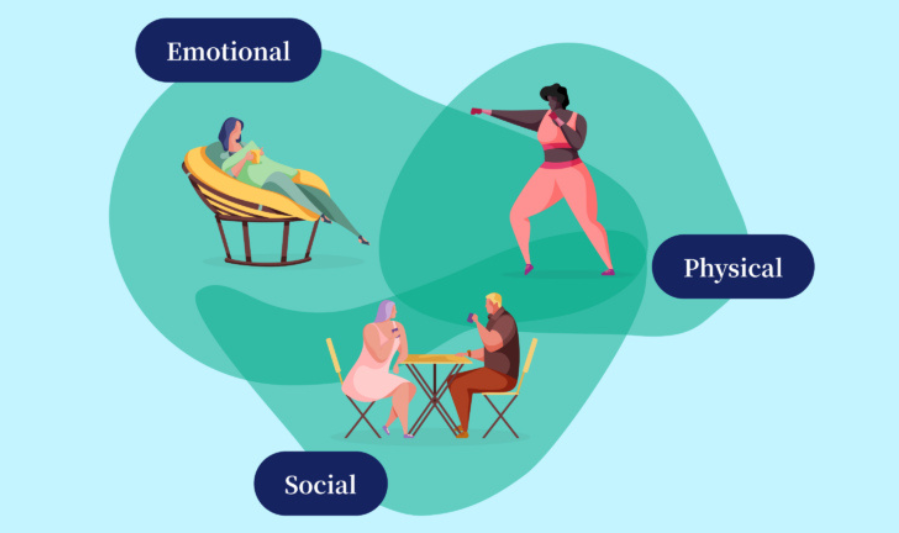
Mental and physical health are closely connected and influence each other. A healthy mind supports a healthy body, and physical health also affects mental well-being.
Examples of this connection:
- Stress and anxiety can lead to headaches, fatigue, and weakened immunity
- Poor sleep can affect mood and concentration
- Regular exercise improves mood by releasing feel-good hormones
- Chronic illness can negatively impact emotional health
Maintaining balance between both is important for overall well-being.
Understanding Mental Health
How thoughts, emotions, and behavior are connected
Thoughts, emotions, and behavior are closely linked and influence each other in daily life. The way a person thinks about a situation affects how they feel, and those feelings then influence how they act.
- Thoughts: What we believe or interpret about events
- Emotions: Feelings such as happiness, anger, fear, or sadness
- Behavior: Actions or responses based on thoughts and emotions
For example, negative thoughts can lead to anxiety or sadness, while positive thinking can promote calmness and confidence.
Common mental health challenges (stress, anxiety, depression)
Mental health challenges are common and can affect people of all ages.
- Stress: A response to pressure or demands, causing tension, irritability, and difficulty concentrating
- Anxiety: Excessive worry or fear that may include restlessness, rapid heartbeat, and trouble sleeping
- Depression: A long-lasting condition involving sadness, low energy, loss of interest, and difficulty in daily life
These conditions can range from mild to severe and may require support or treatment.
Importance of awareness and early care
Awareness and early care are important for identifying mental health problems before they become serious. Early recognition helps in getting timely support and improving recovery.
Benefits include:
- Faster and more effective treatment
- Reduced severity of symptoms
- Better emotional stability and coping skills
- Prevention of long-term mental health issues
- Encouragement to seek help without stigma
Importance of Good Mental Health
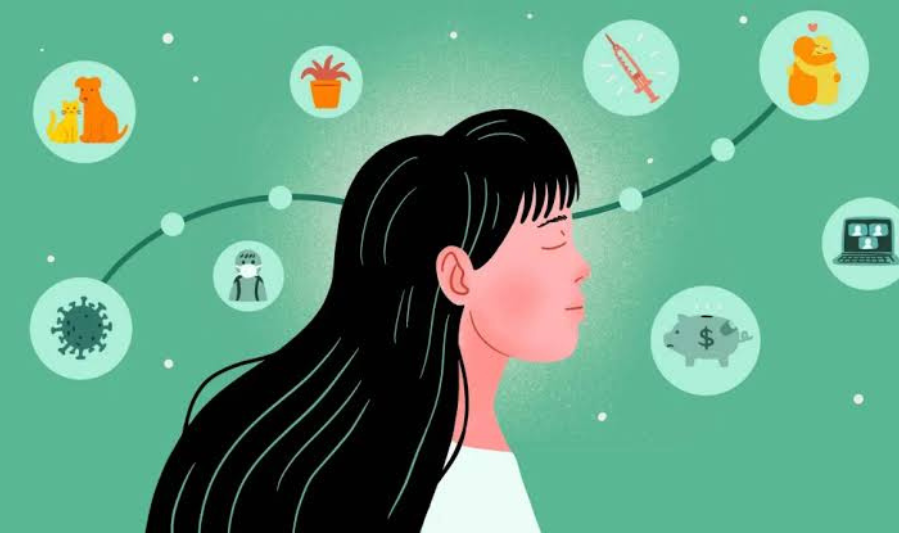
Better emotional stability
Good mental health helps a person manage emotions in a balanced way. It allows individuals to handle stress, anger, sadness, and happiness without becoming overwhelmed.
- Reduces emotional ups and downs
- Helps cope with stressful situations calmly
- Promotes a stable and positive mindset
Improved focus and productivity
A healthy mind supports better concentration and performance in daily tasks such as studying, working, and problem-solving.
- Increases attention and focus
- Improves memory and learning ability
- Boosts efficiency and motivation
- Helps achieve goals more effectively
Strong relationships
Good mental health improves communication and understanding, which strengthens relationships with family, friends, and colleagues.
- Builds trust and respect
- Improves communication skills
- Reduces conflicts and misunderstandings
- Encourages empathy and support
Better decision-making
Mental well-being helps a person think clearly and make responsible choices in life.
- Improves logical thinking
- Reduces impulsive decisions
- Enhances problem-solving skills
- Supports long-term positive outcomes
Practice Self-Care
What self-care means
Self-care means taking deliberate actions to maintain and improve your physical, mental, and emotional well-being. It involves recognizing your needs and making time to care for yourself in healthy and positive ways.
Self-care is not selfish—it is necessary for maintaining balance and preventing stress and burnout.
Daily self-care habits
Daily self-care habits are small actions that help improve overall health and well-being.
Examples include:
- Eating nutritious meals
- Drinking enough water
- Getting regular exercise
- Practicing good hygiene
- Taking short breaks during study or work
- Practicing relaxation techniques like deep breathing or meditation
- Spending time on hobbies or activities you enjoy
- Maintaining good sleep habits
Importance of balancing work and rest
Balancing work and rest is essential for maintaining productivity and preventing mental and physical exhaustion.
- Rest helps the body recover and recharge
- Prevents stress, fatigue, and burnout
- Improves concentration and performance
- Supports emotional stability and mental clarity
- Enhances overall health and long-term well-being
A healthy balance between work, rest, and relaxation leads to a more productive and fulfilling life.
Stay Physically Active
How exercise improves mental health
Regular physical activity has a strong positive effect on mental health. It helps the brain function better, improves mood, and reduces symptoms of stress and anxiety. Exercise also provides a healthy way to release built-up tension from daily life.
- Improves mood and emotional balance
- Reduces symptoms of anxiety and depression
- Enhances focus, memory, and brain function
- Boosts self-confidence and energy levels
- Improves sleep quality, which supports mental health
Hormones that reduce stress (endorphins)During exercise, the body releases certain chemicals that improve mood and reduce stress. One of the most important is endorphins.
- Endorphins: Known as “feel-good” hormones that reduce pain and create feelings of happiness and relaxation
- Exercise also helps lower cortisol, the stress hormone
- It increases dopamine and serotonin, which improve mood and motivation
Together, these chemicals help the body feel calm, positive, and more balanced after physical activity.
You may also like to read these posts:
Artificial Intelligence: Shaping the Future of Humanity
Understanding Machine Learning and Its Real-World Applications
Understanding Data Science and Its Real-World Applications
Medical Facts You Should Know for a Healthier Life
Best physical activities for mental well-being
Some types of exercise are especially effective for improving mental health because they combine movement, relaxation, and enjoyment.
- Walking or brisk walking: Simple and effective for reducing stress
- Yoga: Combines breathing, stretching, and relaxation
- Running or jogging: Helps release tension and improve mood
- Cycling: Boosts energy and reduces anxiety
- Dancing: Improves happiness and emotional expression
- Outdoor activities: Spending time in nature improves calmness and focus
- Stretching exercises: Relax muscles and reduce physical stress
Faqs:
What are the best ways to improve mental health?
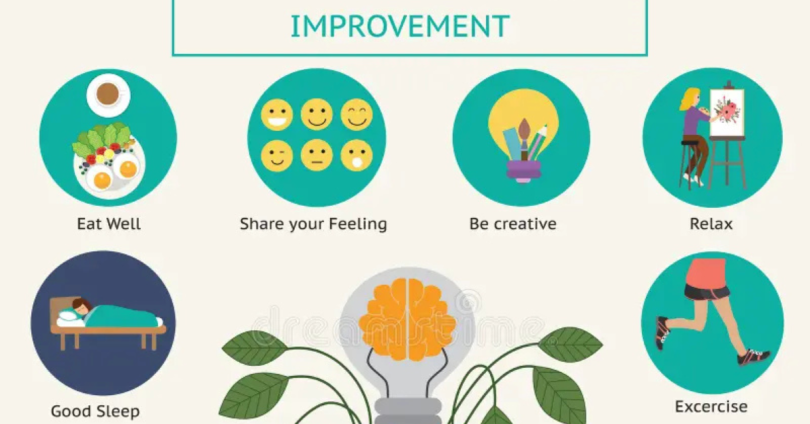
The best ways include regular exercise, healthy sleep, talking about your feelings, practicing mindfulness, eating well, and building positive relationships.
How long does it take to improve mental health?
Improving mental health is a gradual process. With consistent healthy habits, many people start noticing positive changes within a few weeks to months.
Can exercise really improve mental health?
Yes, exercise helps release endorphins (happy hormones), reduces stress, improves mood, and supports better sleep and emotional balance.
What are signs of poor mental health?
Common signs include constant sadness, anxiety, irritability, lack of motivation, sleep problems, and withdrawal from social activities.
When should I seek professional help?
You should seek help if you feel overwhelmed, have persistent negative thoughts, or if stress and anxiety start affecting your daily life and relationships.
Conclusion
Improving mental health is a continuous journey that requires patience, consistency, and self-care. Simple habits like staying active, sleeping well, managing stress, talking about your feelings, and maintaining positive relationships can make a big difference in your emotional well-being.
Remember, small daily steps lead to long-term mental strength and happiness. Taking care of your mind is essential for a balanced and fulfilling life, and it is never too late to start making positive changes.