
Introduction
What is stress?
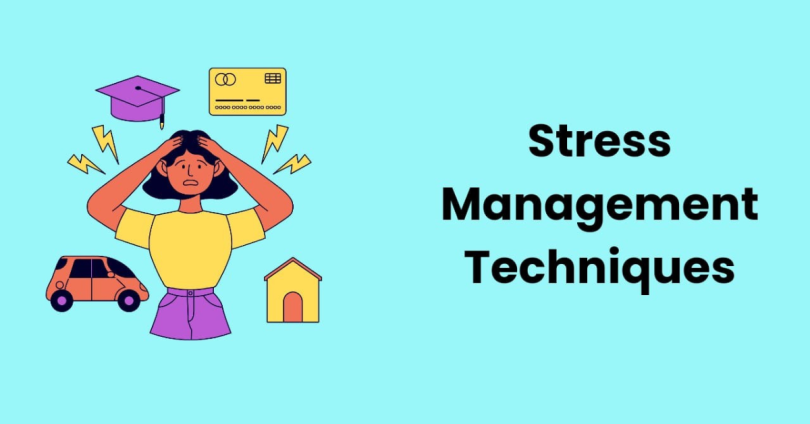
Stress is the body’s natural response to pressure, challenges, or demanding situations. It can be triggered by school, work, relationships, financial problems, or major life changes. While short-term stress can sometimes be helpful, long-term or excessive stress can harm health.
Why stress management is important
Stress management is important because it helps a person stay calm, think clearly, and maintain balance in daily life. Learning how to manage stress improves overall well-being and prevents long-term health problems.
Benefits of managing stress include:
- Better emotional control
- Improved focus and productivity
- Healthier relationships
- Increased energy and motivation
- Better decision-making
How stress affects mental and physical health
Stress affects both the mind and body in many ways. If not managed properly, it can lead to serious health problems.
Mental effects:
- Anxiety and depression
- Irritability and mood swings
- Difficulty concentrating
- Sleep problems
Physical effects:
- Headaches and fatigue
- High blood pressure
- Weakened immune system
- Muscle tension and body pain
- Digestive problems
Managing stress early is important to maintain both mental and physical health.
Understanding Stress
Types of stress (acute, chronic, emotional, work-related)
Stress can be experienced in different forms depending on its duration and cause.
- Acute stress: Short-term stress that happens suddenly due to immediate challenges or situations, such as an exam or accident. It usually goes away quickly.
- Chronic stress: Long-term stress that continues over a long period due to ongoing problems like financial issues or long-term illness. It can seriously affect health.
- Emotional stress: Stress caused by strong feelings such as sadness, anger, fear, or relationship problems.
- Work-related stress: Stress that comes from job pressure, deadlines, workload, or workplace conflicts.
Common causes of stress in daily life
Stress can arise from many everyday situations and responsibilities.
- Academic pressure or exams
- Workload and job responsibilities
- Financial difficulties
- Family or relationship problems
- Health concerns
- Lack of time or poor time management
- Major life changes (moving, loss, or new responsibilities)
Signs and symptoms of stress
Stress affects both the mind and body, and its symptoms can vary from person to person.
Emotional symptoms:
- Anxiety or worry
- Irritability or anger
- Feeling overwhelmed
- Mood swings
Physical symptoms:
- Headaches
- Fatigue or low energy
- Muscle tension
- Sleep problems
- Rapid heartbeat
Behavioral symptoms:
- Poor concentration
- Changes in eating habits
- Avoiding responsibilities
- Increased use of unhealthy coping habits
Importance of Stress Management
Better mental health and emotional balance
Stress management helps maintain a calm and stable mind. It allows a person to handle pressure without becoming overwhelmed and supports emotional well-being.
- Reduces anxiety and irritability
- Improves mood stability
- Helps cope with challenges in a healthy way
- Promotes a positive mindset
Improved physical health
Managing stress is important for the body because long-term stress can lead to many health problems. Controlling stress supports overall physical well-being.
- Lowers risk of headaches and fatigue
- Helps control blood pressure
- Strengthens the immune system
- Improves sleep quality
Increased productivity and focus
When stress is under control, the mind can focus better and perform tasks more effectively in daily life.
- Improves concentration and memory
- Increases efficiency in work and study
- Reduces mental exhaustion
- Enhances problem-solving ability
Better relationships and decision-making
Stress management improves communication and helps people think more clearly in different situations.
- Strengthens communication skills
- Reduces conflicts and misunderstandings
- Encourages patience and empathy
- Supports clear and rational decision-making
Identify Stress Triggers
Personal stress factors
Personal stress factors are internal or individual causes that create pressure in daily life. These vary from person to person and are often linked to habits, thoughts, or lifestyle choices.
- Poor time management
- Unrealistic personal expectations
- Negative thinking or overthinking
- Lack of sleep or rest
- Poor self-confidence
Work and financial stress
Work and money-related issues are common sources of stress for many people. They can create constant pressure and worry if not managed properly.
- Heavy workload or job deadlines
- Job insecurity or unemployment
- Workplace conflicts or pressure
- Financial problems such as debt or low income
- Difficulty managing expenses
Health and relationship stress
Health issues and relationships can strongly affect emotional well-being and increase stress levels.
- Chronic illness or ongoing health problems
- Physical pain or fatigue
- Family conflicts or misunderstandings
- Relationship problems with friends, partner, or family
- Lack of emotional support
Importance of awareness
Understanding stress triggers is important for managing stress effectively. Awareness helps people take early action before stress becomes overwhelming.
- Helps identify sources of stress early
- Allows better planning and coping strategies
- Reduces emotional overload
- Improves decision-making and problem-solving
- Supports healthier and more balanced living
Deep Breathing Techniques
How breathing affects the nervous system
Breathing has a direct impact on the nervous system, especially the autonomic nervous system, which controls stress and relaxation responses. Slow, deep breathing activates the parasympathetic nervous system, also known as the “rest and digest” system.
- Slows heart rate
- Lowers blood pressure
- Reduces stress hormone levels
- Promotes calmness and relaxation
- Helps the brain feel more focused and clear
Step-by-step breathing exercises
1. Deep breathing (basic technique)
- Sit or lie down comfortably
- Inhale slowly through your nose for 4–5 seconds
- Hold your breath for 2–3 seconds
- Exhale slowly through your mouth for 5–6 seconds
- Repeat for 5–10 minutes
2. 4-7-8 breathing technique
- Inhale through your nose for 4 seconds
- Hold your breath for 7 seconds
- Exhale slowly through your mouth for 8 seconds
- Repeat 4–6 times
3. Box breathing (square breathing)
- Inhale for 4 seconds
- Hold for 4 seconds
- Exhale for 4 seconds
- Hold again for 4 seconds
- Repeat for several cycles
When to use breathing techniques
Breathing exercises can be used anytime you feel stress, anxiety, or tension.
- Before exams or presentations
- During moments of anger or frustration
- While feeling anxious or overwhelmed
- Before sleeping to improve rest
- During breaks at work or study
- After stressful events or situations
Physical Activity and Exercise
Role of exercise in stress relief
Regular physical activity is one of the most effective ways to reduce stress. Exercise helps the body release endorphins, which are natural chemicals that improve mood and create a sense of well-being. It also reduces stress hormones such as cortisol, helping the body and mind relax.
Benefits of exercise for stress relief include:
- Reduces anxiety and tension
- Improves mood and emotional well-being
- Increases energy levels
- Promotes better sleep
- Boosts self-confidence and mental resilience
Best exercises for stress reduction
Many types of physical activity can help reduce stress and improve mental health.
- Walking: A simple and effective way to relax and clear the mind
- Jogging or running: Helps release endorphins and reduce stress
- Yoga: Combines stretching, breathing, and relaxation techniques
- Cycling: Improves mood and cardiovascular health
- Swimming: Relaxes the body and reduces muscle tension
- Dancing: A fun activity that lifts mood and relieves stress
- Stretching: Helps relax muscles and reduce physical tension
Choose activities that you enjoy, as they are easier to maintain over time.
Importance of consistency
The benefits of exercise are greatest when it becomes a regular habit. Consistent physical activity helps the body adapt to stress and improves both physical and mental health over time.
- Aim for at least 150 minutes of moderate-intensity exercise per week
- Exercise on most days of the week, even if only for 20–30 minutes
- Start with simple activities and gradually increase intensity
- Combine aerobic exercise with strength training and flexibility exercises
- Stay active throughout the day by walking, stretching, or taking short movement breaks
Consistency is more important than intensity. Regular exercise, even in small amounts, can significantly reduce stress and improve overall well-being.
Healthy Daily Routine
Importance of structured lifestyle
A structured lifestyle means following a regular daily routine that includes balanced time for work, study, exercise, meals, rest, and relaxation. Having a consistent routine helps improve physical and mental health while reducing stress.
Benefits of a structured lifestyle include:
- Improves time management
- Reduces stress and anxiety
- Increases productivity and focus
- Promotes healthy habits
- Supports overall well-being and emotional balance
Sleep schedule and daily planning
Maintaining a regular sleep schedule and planning daily activities helps create a healthy and balanced lifestyle.
Sleep schedule:
- Go to bed and wake up at the same time every day
- Aim for 7–9 hours of sleep for most adults
- Avoid screens and heavy meals before bedtime
- Create a quiet and comfortable sleeping environment
Daily planning:
- Make a to-do list or schedule each morning
- Prioritize important tasks
- Set realistic goals for the day
- Include time for meals, exercise, and relaxation
- Take short breaks between work or study sessions
You may also like to read these posts:
Artificial Intelligence: Shaping the Future of Humanity
Understanding Machine Learning and Its Real-World Applications
Understanding Data Science and Its Real-World Applications
Medical Facts You Should Know for a Healthier Life
Work-life balance
Work-life balance means giving equal importance to work, personal life, family, and leisure activities. Maintaining this balance helps prevent stress and improves overall quality of life.
Benefits of a healthy work-life balance include:
- Reduces stress and burnout
- Improves physical and mental health
- Strengthens family and social relationships
- Increases job satisfaction and productivity
- Provides time for hobbies, relaxation, and self-care
A well-planned daily routine that includes proper rest, healthy habits, and enjoyable activities supports long-term health and well-being.
Sleep and Rest
Connection between sleep and stress
Sleep and stress are closely connected. High stress levels can make it difficult to fall asleep or stay asleep, while poor sleep can increase stress, anxiety, and irritability. Getting enough quality sleep helps the body recover, improves emotional balance, and makes it easier to cope with daily challenges.
Benefits of good sleep for stress management include:
- Reduces stress and anxiety
- Improves mood and emotional stability
- Helps the body and mind recover from daily activities
- Enhances concentration and memory
- Strengthens the immune system
Recommended sleep hours
The amount of sleep needed varies by age.
| Age Group | Recommended Sleep |
|---|---|
| Infants (4–12 months) | 12–16 hours (including naps) |
| Toddlers (1–2 years) | 11–14 hours |
| Preschool children (3–5 years) | 10–13 hours |
| School-age children (6–12 years) | 9–12 hours |
| Teenagers (13–18 years) | 8–10 hours |
| Adults (18–64 years) | 7–9 hours |
| Older adults (65+ years) | 7–8 hours |
Tips for better sleep quality
Developing healthy sleep habits can improve both the quality and duration of sleep.
- Go to bed and wake up at the same time every day
- Create a quiet, dark, and comfortable sleeping environment
- Avoid caffeine, nicotine, and heavy meals before bedtime
- Limit screen time from phones, tablets, and computers at least one hour before sleep
- Exercise regularly, but avoid intense workouts close to bedtime
- Practice relaxation techniques such as deep breathing, meditation, or reading before bed
- Avoid long daytime naps that may interfere with nighttime sleep
Good sleep is an essential part of stress management and contributes to better physical health, mental well-being, and overall quality of life.
Faqs:
What are the most effective stress management techniques?
Some of the most effective techniques include deep breathing, regular exercise, mindfulness meditation, time management, getting enough sleep, and talking to someone you trust.
How can I reduce stress quickly?
You can reduce stress quickly by taking slow, deep breaths, going for a short walk, listening to calming music, stretching, or practicing mindfulness for a few minutes.
Can exercise help manage stress?
Yes, regular exercise helps lower stress hormones and releases endorphins, which improve mood, reduce tension, and promote relaxation.
How does sleep affect stress levels?
Poor sleep can increase stress, irritability, and difficulty concentrating. Getting 7–9 hours of quality sleep each night helps your body and mind recover from daily stress.
When should I seek professional help for stress?
If stress becomes overwhelming, lasts for several weeks, or begins to affect your work, relationships, sleep, or daily activities, it’s a good idea to speak with a healthcare provider or mental health professional for guidance and support.
Conclusion
Managing stress is an important part of maintaining both mental and physical well-being. While stress is a normal part of life, healthy coping strategies such as regular exercise, deep breathing, quality sleep, mindfulness, and effective time management can help you handle challenges more calmly and confidently.
By making these stress management techniques part of your daily routine, you can improve your emotional resilience, boost your overall health, and enjoy a more balanced and fulfilling life. Remember, small and consistent changes can make a lasting difference in reducing stress and enhancing your well-being.