
Introduction
What Is Mental Wellness?
Mental wellness refers to a state of emotional, psychological, and social well-being in which a person is able to cope with normal life stresses, work productively, and maintain healthy relationships. It is not just the absence of mental illness, but a positive condition where individuals feel balanced, resilient, and in control of their thoughts and emotions.
Why Mental Wellness Is Important in Daily Life
Mental wellness plays a vital role in how people function each day. It affects decision-making, communication, stress management, and overall quality of life. When mental wellness is strong, individuals are better able to handle challenges, build meaningful relationships, and maintain physical health. Poor mental wellness, on the other hand, can lead to stress, low productivity, and emotional difficulties.
Brief Overview of What the Article Will Cover
This article will explore the concept of mental wellness in detail, including its key components and benefits. It will also discuss practical ways to improve and maintain mental wellness in everyday life, common challenges that can affect it, and simple strategies to build emotional resilience and a healthier mindset.
Understanding Mental Wellness
Definition of Mental Wellness
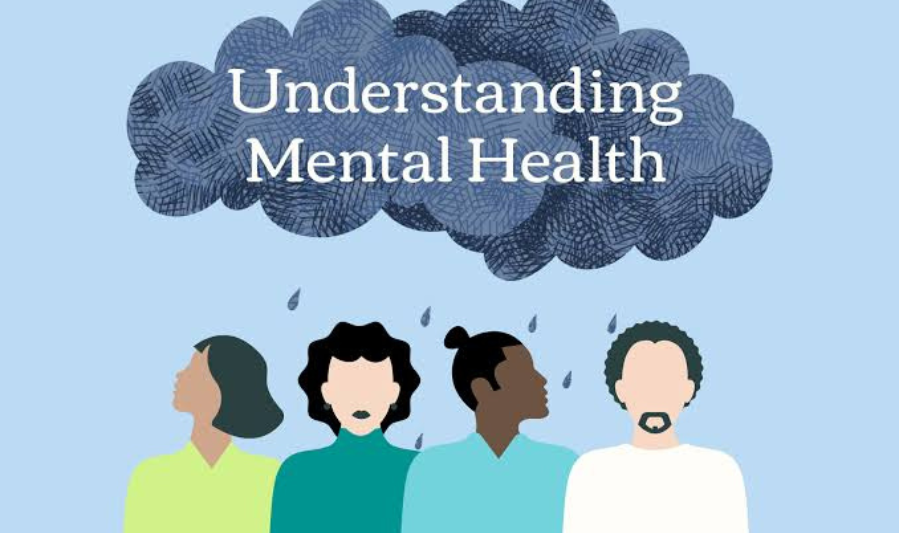
Mental wellness is a positive state of mental and emotional well-being in which a person feels balanced, resilient, and able to cope with everyday life. It involves maintaining healthy thoughts, managing emotions effectively, and building strong social connections. Mental wellness focuses on overall life satisfaction and personal growth rather than just the absence of mental illness.
Difference Between Mental Health and Mental Wellness
Mental health and mental wellness are closely related but not the same.
- Mental health refers to a broad condition of a person’s emotional and psychological functioning, including the presence or absence of mental health disorders.
- Mental wellness focuses on actively maintaining a healthy and positive state of mind, such as emotional balance, self-awareness, and stress management.
In simple terms, mental health is the overall condition, while mental wellness is the ongoing practice of maintaining and improving that condition.
How Mental Wellness Affects Thoughts, Emotions, and Behavior
Mental wellness directly influences how a person thinks, feels, and behaves. When mental wellness is strong, individuals tend to think more clearly, make better decisions, and maintain a positive outlook on life. Emotionally, they are better able to manage stress, handle challenges, and stay emotionally stable. Behaviorally, good mental wellness encourages healthy habits, productive routines, and positive social interactions.
Importance of Mental Wellness in Modern Life
Impact of Stress, Work Pressure, and Lifestyle
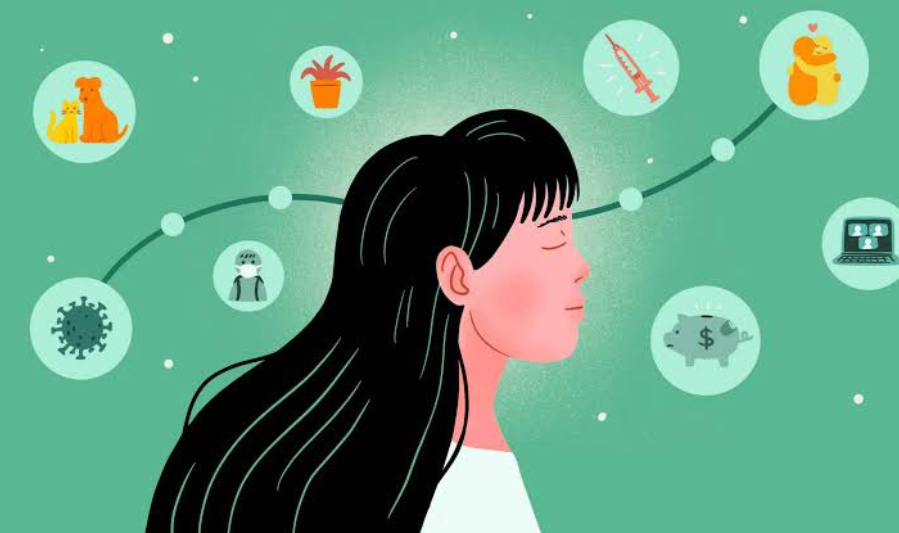
Modern life is often fast-paced and demanding, with increasing levels of stress from work, studies, finances, and social expectations. Constant pressure and an unhealthy lifestyle—such as lack of sleep, poor diet, and excessive screen time—can negatively affect mental wellness. Over time, this can lead to fatigue, anxiety, burnout, and emotional imbalance if not properly managed.
Role of Mental Wellness in Productivity and Happiness
Good mental wellness is essential for staying productive and feeling satisfied in daily life. When the mind is balanced, individuals can focus better, solve problems more effectively, and manage time efficiently. It also improves motivation and creativity. At the same time, strong mental wellness contributes to happiness by helping people maintain positive relationships, enjoy daily activities, and handle challenges with confidence.
Connection Between Mental and Physical Health
Mental and physical health are closely connected and strongly influence each other. Poor mental wellness can contribute to physical problems such as headaches, fatigue, weakened immunity, and sleep disturbances. Similarly, physical health issues can affect mood, energy levels, and emotional stability. Maintaining good mental wellness supports overall physical health, while taking care of the body also strengthens the mind, creating a balanced and healthier lifestyle.
Signs of Poor Mental Wellness
Constant Stress or Anxiety
Feeling stressed or anxious most of the time, even in situations that are normally manageable, can be a sign of poor mental wellness. This ongoing tension may affect both emotional and physical health.
Low Energy and Motivation
A persistent lack of energy or interest in daily activities can indicate mental fatigue. Individuals may struggle to complete tasks or feel unmotivated to pursue goals they once cared about.
Irritability or Mood Swings
Frequent irritability, frustration, or sudden changes in mood may suggest difficulty in regulating emotions, often linked to declining mental wellness.
Difficulty Focusing
Trouble concentrating, making decisions, or staying attentive can impact performance at work, school, and in everyday responsibilities.
Social Withdrawal
Avoiding friends, family, or social activities and preferring isolation may be a sign that a person is experiencing emotional imbalance or stress.
Sleep Disturbances
Changes in sleep patterns—such as insomnia or oversleeping—can reflect poor mental wellness and often worsen other emotional and physical symptoms.
Daily Mental Wellness Tips
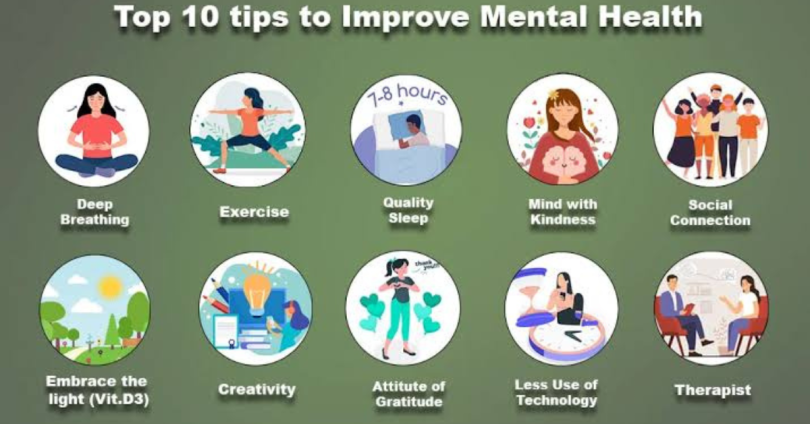
Practicing Self-Care Routines
Engaging in regular self-care activities such as reading, journaling, meditation, or hobbies helps reduce stress and improve emotional balance. Self-care supports relaxation and strengthens overall mental wellness.
Staying Physically Active
Regular physical activity, such as walking, exercise, or sports, helps release endorphins that improve mood and reduce anxiety. Staying active also boosts energy levels and mental clarity.
Maintaining a Healthy Sleep Schedule
Getting enough quality sleep is essential for emotional stability and mental performance. Going to bed and waking up at consistent times helps the brain and body recover and function properly.
Eating a Balanced Diet
A nutritious diet rich in fruits, vegetables, whole grains, and proteins supports brain health and improves mood. Healthy eating habits can also help regulate energy and concentration levels.
Drinking Enough Water
Proper hydration is important for both physical and mental functioning. Drinking enough water helps maintain focus, reduce fatigue, and support overall brain performance.
Taking Regular Breaks
Short breaks during work or study sessions help prevent mental exhaustion and improve productivity. Taking time to rest the mind allows better focus and reduces stress levels.
Emotional Wellness Strategies
Practicing Gratitude
Focusing on things you are thankful for helps shift attention away from stress and negativity. Regular gratitude practice can improve mood, increase optimism, and build emotional resilience.
Journaling Thoughts and Emotions
Writing down thoughts and feelings provides a healthy outlet for self-expression. Journaling can help you understand emotional patterns, reduce stress, and process difficult experiences more clearly.
Positive Self-Talk
Replacing negative inner dialogue with supportive and encouraging thoughts can improve self-esteem and emotional strength. Positive self-talk helps build confidence and reduces self-criticism.
Managing Negative Thinking Patterns
Identifying and challenging negative or unrealistic thoughts is an important emotional skill. By reframing these thoughts in a more balanced way, you can reduce anxiety and improve mental clarity.
Accepting Emotions Without Judgment
Allowing yourself to feel emotions without labeling them as “good” or “bad” helps promote emotional balance. Accepting feelings as natural responses can reduce internal conflict and support healthier emotional regulation.
You may also like to read these posts:
Artificial Intelligence: Shaping the Future of Humanity
Understanding Machine Learning and Its Real-World Applications
Understanding Data Science and Its Real-World Applications
Medical Facts You Should Know for a Healthier Life
Stress Management Techniques
Deep Breathing Exercises
Deep breathing helps calm the nervous system and reduce stress quickly. Slow, controlled breathing can lower heart rate, relax muscles, and improve focus during tense situations.
Meditation and Mindfulness
Meditation and mindfulness practices train the mind to stay present and reduce overthinking. Regular practice can decrease anxiety, improve emotional balance, and enhance mental clarity.
Time Management Skills
Effective time management reduces pressure by helping you organize tasks and priorities. Planning your day, setting realistic goals, and avoiding procrastination can prevent unnecessary stress.
Avoiding Burnout
Burnout occurs when stress builds up over time without proper rest. Taking regular breaks, setting boundaries, and balancing work with relaxation helps prevent emotional and physical exhaustion.
Doing Relaxing Hobbies
Engaging in enjoyable activities such as reading, gardening, music, or art provides a healthy escape from stress. Hobbies help refresh the mind and improve overall well-being.
Faqs:
What is mental wellness?
Mental wellness refers to a state of well-being where a person can manage stress, think positively, maintain healthy relationships, and handle daily life challenges effectively.
How can I improve my mental wellness daily?
ou can improve mental wellness by practicing self-care, exercising regularly, eating a balanced diet, getting enough sleep, managing stress, and staying socially connected.
Is mental wellness the same as mental health?
Not exactly. Mental health refers to your overall psychological condition, while mental wellness focuses on daily habits and actions that help maintain and improve that health.
Can lifestyle changes really improve mental wellness?
Yes, positive lifestyle changes like regular exercise, healthy eating, mindfulness, and reducing screen time can significantly improve mood and overall mental well-being.
When should I seek help for mental wellness issues?
You should seek professional help if you experience ongoing stress, anxiety, sadness, or difficulty managing daily life for more than a few weeks.
Conclusion
Mental wellness is a continuous journey that requires care, awareness, and small daily efforts. By practicing healthy habits such as self-care, regular exercise, proper sleep, balanced nutrition, and positive thinking, you can significantly improve your emotional well-being and quality of life.
It is also important to remember that mental wellness is not about being happy all the time, but about learning how to manage stress, emotions, and challenges in a healthy way. Staying connected with others and seeking help when needed are also important steps toward maintaining balance.
With consistent effort and the right mindset, anyone can build a healthier and more peaceful mind. Taking care of your mental wellness is one of the most valuable investments you can make for your overall happiness and future.