
Introduction
What Is Self-Care?
Self-care refers to the intentional actions individuals take to maintain and improve their physical, emotional, and mental well-being. It includes daily habits such as getting enough rest, eating healthy, managing stress, and engaging in activities that bring comfort, relaxation, and personal satisfaction.
Why Self-Care Is Important for Mental Health
Self-care is essential for maintaining good mental health because it helps reduce stress, prevent burnout, and improve emotional balance. When individuals take time to care for themselves, they are better able to manage challenges, regulate emotions, and maintain a positive mindset. Without proper self-care, stress can build up and negatively affect mental well-being over time.
How Self-Care Improves Overall Well-Being and Quality of Life
Practicing self-care regularly leads to improved overall well-being by supporting both mental and physical health. It increases energy levels, enhances mood, and strengthens resilience against daily pressures. Self-care also improves relationships, productivity, and life satisfaction, allowing individuals to live a more balanced, healthy, and fulfilling life.
Understanding Self-Care for Mental Health
Definition of Self-Care in a Mental Health Context
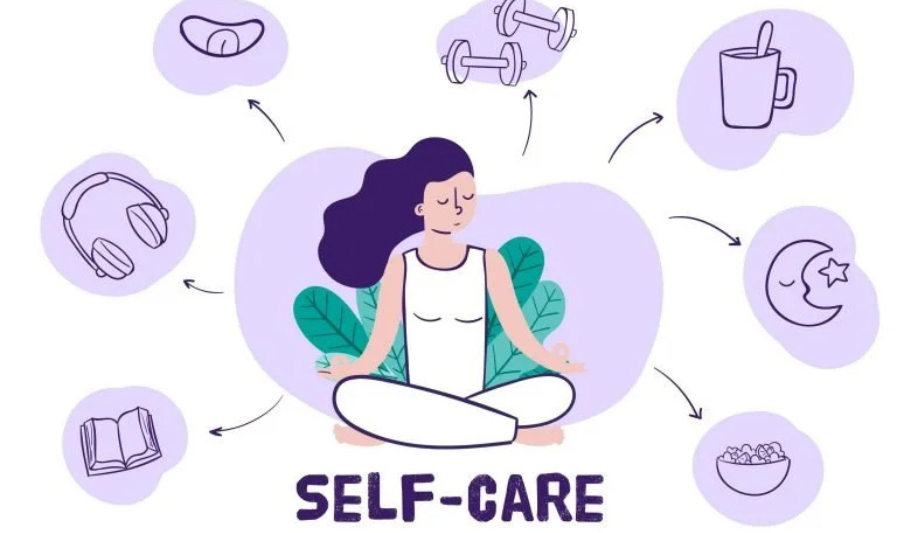
In a mental health context, self-care refers to intentional practices and habits that support emotional balance, reduce stress, and maintain psychological well-being. It includes activities such as setting boundaries, getting enough rest, expressing emotions in healthy ways, and engaging in routines that promote stability and resilience.
Difference Between Self-Care, Self-Indulgence, and Laziness
Self-care is often misunderstood, but it is different from self-indulgence and laziness:
- Self-care is about taking actions that support long-term well-being, even if they require effort (e.g., exercising, resting properly, or seeking support).
- Self-indulgence involves short-term pleasure that may not always benefit long-term health (e.g., overeating junk food or excessive screen time).
- Laziness refers to avoiding responsibilities or necessary tasks without a focus on well-being or recovery.
While self-care builds strength and balance, self-indulgence focuses on immediate comfort, and laziness often involves neglecting important duties.
Why Self-Care Is a Daily Necessity, Not a One-Time Activity
Self-care is most effective when practiced consistently because mental health needs regular attention, just like physical health. Daily self-care helps manage ongoing stress, prevents emotional burnout, and builds resilience over time. When treated as a one-time activity, its benefits are limited, but when practiced regularly, it becomes a strong foundation for long-term mental wellness and a healthier, more stable life.
Importance of Self-Care for Mental Health
Reduces Stress and Anxiety
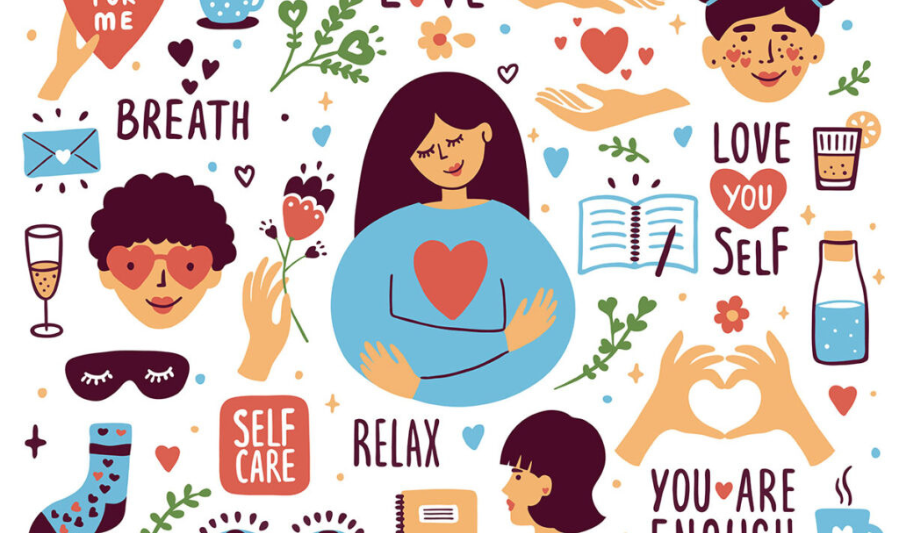
Self-care helps lower stress levels by giving the mind and body time to relax and recover. Activities like rest, relaxation, and healthy routines reduce anxiety and prevent stress from building up over time.
Improves Mood and Emotional Stability
Regular self-care supports emotional balance by helping individuals manage their feelings more effectively. It can improve mood, reduce irritability, and promote a more positive outlook on life.
Increases Productivity and Focus
When the mind is well-rested and less stressed, concentration and decision-making improve. Self-care helps increase energy levels, allowing individuals to stay focused and perform better in daily tasks.
Builds Resilience Against Life Challenges
Self-care strengthens emotional resilience, making it easier to cope with difficulties and setbacks. It helps individuals recover faster from stress and maintain stability during challenging situations.
Signs You Need Better Self-Care
Constant Fatigue or Burnout
Feeling tired all the time, even after resting, may indicate physical and emotional exhaustion. This can happen when your body and mind are not getting enough recovery time.
Feeling Overwhelmed or Stressed
When daily responsibilities feel unmanageable or stressful most of the time, it may be a sign that you need to slow down and prioritize self-care.
Irritability or Mood Swings
Becoming easily frustrated, irritated, or emotionally unstable can indicate that stress levels are too high and emotional needs are not being met.
Lack of Motivation
A persistent loss of interest or drive to complete tasks or enjoy activities can be a warning sign that your mental and emotional energy needs attention.
Poor Sleep or Eating Habits
Changes in sleep patterns or unhealthy eating habits often reflect imbalanced self-care. These changes can further impact mood, energy, and overall well-being.
Types of Self-Care for Mental Health
5.1 Emotional Self-Care
Emotional self-care focuses on understanding and managing your feelings in a healthy way.
- Expressing feelings – Talking about emotions with trusted people helps prevent emotional buildup.
- Journaling – Writing thoughts and emotions supports self-reflection and stress relief.
- Practicing gratitude – Focusing on positive aspects of life improves mood and emotional balance.
5.2 Physical Self-Care
Physical self-care supports the body, which in turn strengthens mental health.
- Exercise and movement – Regular physical activity helps reduce stress and boost mood.
- Sleep hygiene – Maintaining a consistent sleep routine improves energy and emotional stability.
- Healthy eating – A balanced diet supports brain function and overall well-being.
5.3 Social Self-Care
Social self-care involves building and maintaining healthy relationships.
- Spending time with loved ones – Positive interactions reduce loneliness and stress.
- Building supportive relationships – Surrounding yourself with caring people improves emotional resilience.
- Setting social boundaries – Saying no when needed protects your mental energy.
5.4 Mental Self-Care
Mental self-care focuses on stimulating and protecting the mind.
- Learning new skills – Keeps the mind active and boosts confidence.
- Reading and mindfulness – Improves focus, awareness, and relaxation.
- Limiting negative thoughts – Helps maintain a more balanced and positive mindset.
5.5 Digital Self-Care
Digital self-care involves managing technology use in a healthy way.
- Reducing screen time – Prevents mental fatigue and improves focus.
- Social media detox – Taking breaks from social platforms reduces stress and comparison.
Daily Self-Care Practices
Morning Routine for Mental Clarity
Starting the day with a simple and structured morning routine can improve focus and emotional balance. Activities like stretching, planning the day, or having a calm breakfast help set a positive tone for the rest of the day.
Taking Short Breaks During Work/Study
Regular short breaks during work or study sessions help prevent mental fatigue. Stepping away for a few minutes allows the mind to rest, improves concentration, and increases overall productivity.
Practicing Deep Breathing or Meditation
Deep breathing exercises and meditation help calm the mind and reduce stress. Even a few minutes of mindful breathing can improve emotional stability and bring a sense of relaxation during busy or stressful moments.
Doing Hobbies and Enjoyable Activities
Engaging in hobbies such as reading, music, art, or sports provides a healthy escape from daily pressure. These activities refresh the mind, boost mood, and support overall mental well-being.
You may also like to read these posts:
Artificial Intelligence: Shaping the Future of Humanity
Understanding Machine Learning and Its Real-World Applications
Understanding Data Science and Its Real-World Applications
Medical Facts You Should Know for a Healthier Life
Self-Care Tips for Stress and Anxiety
Grounding Techniques
Grounding techniques help bring your attention back to the present moment when you feel stressed or anxious. Simple methods like focusing on your breathing, noticing five things you can see around you, or feeling the texture of an object can reduce overwhelming thoughts and calm the mind.
Relaxation Exercises
Relaxation exercises such as progressive muscle relaxation, deep breathing, or guided imagery help release physical tension and calm the nervous system. Practicing these regularly can lower anxiety levels and improve emotional balance.
Time Management Strategies
Good time management reduces stress by helping you organize tasks and avoid last-minute pressure. Creating to-do lists, setting priorities, and breaking large tasks into smaller steps can make daily responsibilities more manageable.
Avoiding Overthinking
Overthinking often increases stress and anxiety by focusing on “what if” scenarios. Challenging negative thoughts, staying present, and engaging in distractions like hobbies or physical activity can help break the cycle of overthinking and promote mental peace.
Faqs:
What is self-care for mental health?
Self-care for mental health refers to daily habits and activities that help you manage stress, improve emotional well-being, and maintain a balanced mind. It includes practices like rest, exercise, mindfulness, and healthy routines.
How do I start a self-care routine?
You can start by adding small, simple habits to your day such as getting enough sleep, drinking water, taking short breaks, and doing activities you enjoy. Start slow and stay consistent.
Is self-care effective for anxiety and stress?
Yes, self-care can significantly reduce stress and anxiety. Practices like deep breathing, exercise, journaling, and relaxation techniques help calm the mind and improve emotional balance.
How much time should I spend on self-care daily?
There is no fixed time. Even 10–30 minutes a day of focused self-care activities can improve mental well-being. The key is consistency, not duration.
Can self-care replace professional mental health treatment?
No, self-care is helpful but it cannot replace professional treatment. If someone has severe or long-term mental health issues, they should seek help from a qualified mental health professional.
Conclusion
Self-care for mental health is a powerful and essential practice that helps you maintain emotional balance, reduce stress, and improve overall well-being. By making small but consistent efforts—such as prioritizing sleep, staying active, managing stress, and connecting with others—you can build a healthier and more peaceful mindset.
It is important to remember that self-care is not selfish; it is necessary for living a balanced and productive life. Everyone’s needs are different, so finding what works best for you is key to long-term mental wellness.
Most importantly, self-care should be practiced regularly, not only during difficult times. And when challenges feel overwhelming, seeking professional support is a strong and positive step toward healing and recovery.