
Introduction
What is mental health?
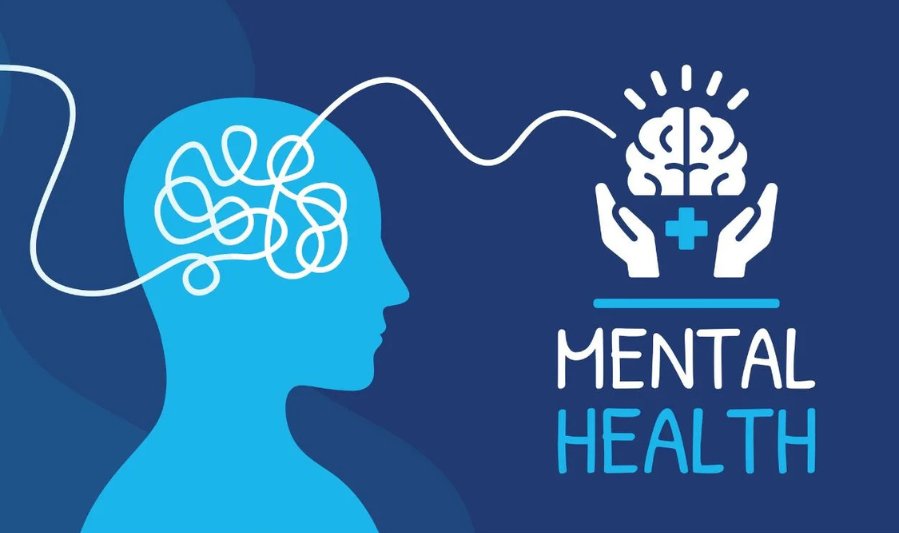
Mental health refers to a person’s emotional, psychological, and social well-being. It affects how people think, feel, and behave in daily life. It also influences how individuals handle stress, make decisions, and relate to others.
Good mental health does not mean feeling happy all the time, but it means being able to cope with life’s challenges in a healthy and balanced way.
Why mental health is important in daily life
Mental health is important because it affects every part of a person’s life, including relationships, work, studies, and decision-making.
Good mental health helps to:
- Manage stress effectively
- Build strong relationships
- Improve focus and productivity
- Boost confidence and self-esteem
- Make better life decisions
Poor mental health, on the other hand, can lead to problems such as anxiety, depression, and difficulty coping with daily activities.
Link between mental and physical health
Mental and physical health are closely connected and influence each other. A healthy mind supports a healthy body, and vice versa.
Examples of this connection include:
- Stress can lead to physical symptoms like headaches, fatigue, and high blood pressure
- Depression may reduce energy levels and affect sleep and appetite
- Regular physical activity can improve mood and reduce anxiety
- Poor physical health can negatively impact mental well-being
Maintaining balance between both is essential for overall health and quality of life.
Understanding Mental Health
How the mind affects thoughts, emotions, and behavior
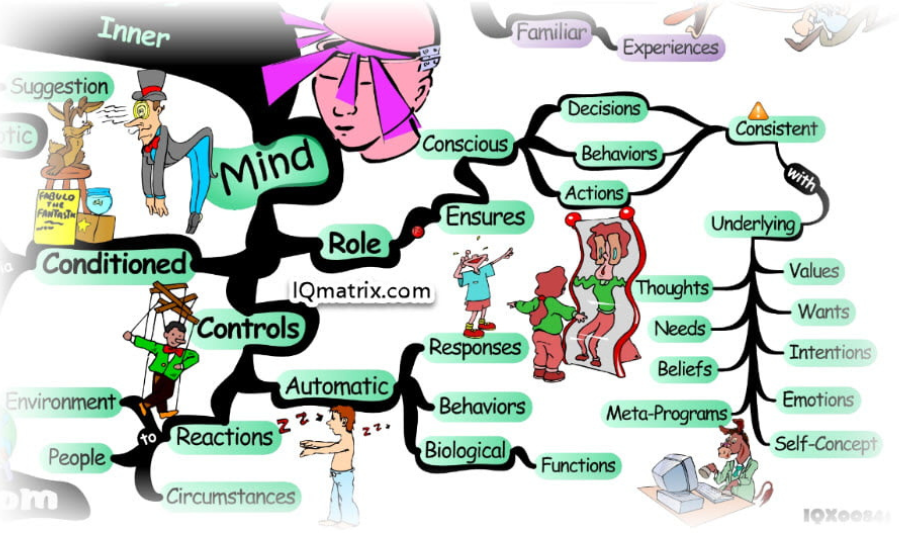
The mind plays a central role in shaping how a person thinks, feels, and behaves. It processes experiences and influences reactions to different situations in daily life.
- Thoughts: The way we interpret events and situations
- Emotions: Feelings such as happiness, sadness, anger, or fear
- Behavior: How we act or respond based on thoughts and emotions
When the mind is healthy, a person can think clearly, manage emotions, and behave in a balanced way. When it is affected by stress or illness, these areas may become disturbed.
Common mental health challenges (stress, anxiety, depression)
Mental health challenges are common and can affect anyone at different stages of life.
- Stress: A reaction to pressure or demanding situations. It can cause irritability, fatigue, and difficulty concentrating.
- Anxiety: Excessive worry or fear about future events, often leading to restlessness, rapid heartbeat, or trouble sleeping.
- Depression: A long-lasting feeling of sadness, loss of interest, and low energy that affects daily life and functioning.
These conditions can vary in severity and may require support, lifestyle changes, or professional help.
Importance of early awareness
Early awareness of mental health issues helps in identifying problems before they become severe. Recognizing early signs allows timely support and treatment.
Benefits of early awareness include:
- Faster recovery and better outcomes
- Reduced risk of worsening symptoms
- Improved coping strategies
- Better emotional stability and quality of life
- Encouragement to seek help without delay
Understanding mental health early helps reduce stigma and promotes a healthier, more supportive environment.
Importance of Good Mental Health
Better emotional balance
Good mental health helps a person manage emotions in a stable and healthy way. It allows individuals to handle stress, anger, sadness, and happiness appropriately without becoming overwhelmed.
- Reduces emotional ups and downs
- Helps cope with stressful situations calmly
- Promotes a positive and balanced outlook on life
Improved decision-making
A healthy mind supports clear thinking and better judgment. When mental health is strong, a person can analyze situations properly and make responsible choices.
- Enhances logical thinking
- Reduces impulsive decisions
- Improves problem-solving abilities
Strong relationships
Good mental health improves communication and understanding in relationships. It helps individuals connect better with family, friends, and colleagues.
- Builds trust and respect
- Improves communication skills
- Reduces conflicts and misunderstandings
- Encourages empathy and support for others
Increased productivity and focus
Mental well-being directly affects concentration, motivation, and performance in daily tasks such as studying or working.
- Improves attention and focus
- Increases efficiency in tasks
- Boosts motivation and energy levels
- Helps achieve personal and professional goals more effectively
Talk About Your Feelings
Importance of sharing emotions
Sharing emotions is an important part of maintaining good mental health. When people express how they feel, it helps them release stress and better understand their own thoughts.
- Reduces emotional pressure and stress
- Helps prevent feelings of isolation
- Improves self-awareness and emotional control
- Encourages healthier coping with problems
Keeping emotions bottled up for too long can lead to anxiety, sadness, or frustration.
Who to talk to (friends, family, counselors)
Talking to the right people can provide support, guidance, and comfort during difficult times.
- Friends: Offer understanding, companionship, and shared experiences
- Family members: Provide care, trust, and emotional support
- Counselors or therapists: Trained professionals who help manage emotional or mental health challenges in a safe and confidential way
Choosing someone you trust makes it easier to open up and feel supported.
Benefits of communication
Good communication plays a key role in improving mental well-being and relationships.
- Helps solve problems more effectively
- Reduces stress and emotional burden
- Builds stronger and healthier relationships
- Increases feelings of support and understanding
- Encourages positive thinking and confidence
Talking openly about feelings creates a healthier mind and a more supportive environment.
Practice Mindfulness and Meditation
What mindfulness means
Mindfulness is the practice of paying full attention to the present moment without judgment. It means being aware of your thoughts, feelings, and surroundings instead of worrying about the past or future.
Benefits of mindfulness include:
- Reducing stress and anxiety
- Improving focus and concentration
- Helping control emotions
- Increasing self-awareness
Meditation techniques
Meditation is a mental exercise that helps calm the mind and improve emotional well-being. There are several simple techniques:
- Focused attention meditation: Concentrating on one thing, such as breathing or a sound
- Body scan meditation: Slowly noticing sensations in different parts of the body
- Guided meditation: Following spoken instructions or recordings
- Mindful observation: Observing thoughts and letting them pass without reacting
Breathing exercises
Breathing exercises are simple and effective ways to relax the mind and body.
- Deep breathing: Inhale slowly through the nose, hold for a few seconds, and exhale slowly through the mouth
- 4-7-8 technique: Inhale for 4 seconds, hold for 7 seconds, exhale for 8 seconds
- Box breathing: Inhale, hold, exhale, and pause—each for 4 seconds
These techniques help reduce stress and calm the nervous system.
Daily practice routine
A regular routine makes mindfulness and meditation more effective.
- Practice for 5–10 minutes daily (start small and increase gradually)
- Choose a quiet and comfortable place
- Practice in the morning or before bedtime
- Focus on breathing or a calming thought
- Be consistent rather than perfect
You may also like to read these posts:
Artificial Intelligence: Shaping the Future of Humanity
Understanding Machine Learning and Its Real-World Applications
Understanding Data Science and Its Real-World Applications
Medical Facts You Should Know for a Healthier Life
Stay Physically Active
Connection between exercise and mental health
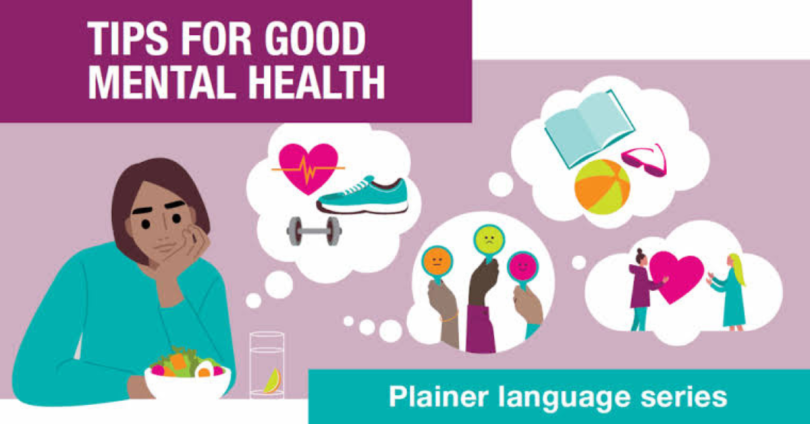
Physical activity is closely linked to good mental health. Regular exercise not only strengthens the body but also improves mood and emotional well-being. It helps the brain release chemicals that make a person feel happier and more relaxed.
- Improves mood and reduces feelings of sadness
- Boosts self-esteem and confidence
- Enhances focus and mental clarity
- Helps manage symptoms of anxiety and depression
How exercise reduces stress hormones
Exercise helps control stress by affecting hormones in the body. When a person is stressed, the body produces hormones like cortisol and adrenaline. Physical activity helps regulate these hormones.
- Reduces cortisol (stress hormone) levels
- Increases endorphins, which are natural “feel-good” chemicals
- Helps the body relax after physical exertion
- Improves sleep, which further reduces stress
Even short periods of movement can significantly lower stress levels.
Best exercises for mental well-being
Some types of exercise are especially effective for improving mental health because they combine movement with relaxation.
- Walking or jogging: Simple activities that improve mood and reduce stress
- Yoga: Combines physical movement with breathing and relaxation
- Cycling: Helps release tension and improves energy levels
- Dancing: Boosts happiness and reduces emotional stress
- Stretching exercises: Relaxes muscles and calms the body
- Outdoor activities: Spending time in nature improves mental clarity
Faqs:
What are simple ways to improve mental health?
Simple ways include talking about your feelings, staying active, getting enough sleep, practicing mindfulness, and spending time with supportive people.
How does exercise help mental health?
Exercise releases endorphins (happy hormones) that reduce stress, improve mood, and help manage anxiety and depression.
Can stress affect mental health?
Yes, long-term stress can lead to anxiety, sleep problems, low mood, and other mental health issues if not managed properly.
What are signs of poor mental health?
Common signs include constant sadness, anxiety, lack of motivation, trouble sleeping, mood swings, and withdrawal from social activities.
When should I seek professional help for mental health?
You should seek help if stress, sadness, or anxiety becomes overwhelming, lasts for a long time, or affects your daily life and relationships.
Conclusion
Mental health is an essential part of overall well-being and deserves regular care and attention. By practicing simple habits such as staying active, maintaining a healthy routine, talking about your feelings, sleeping well, and managing stress, you can significantly improve your emotional balance and quality of life.
Remember, taking care of your mind is just as important as taking care of your body. Small, consistent efforts can lead to a healthier, happier, and more peaceful life.