
Introduction
What are healthy habits?
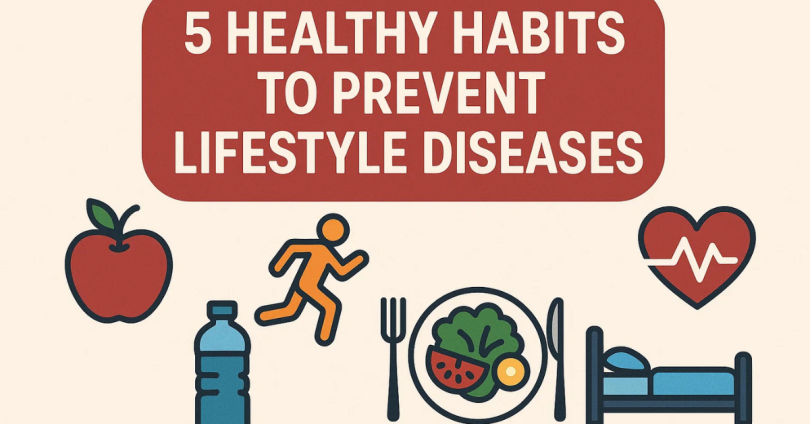
Healthy habits are positive daily behaviors that promote physical, mental, and emotional well-being. These habits help the body function properly, prevent diseases, and improve overall quality of life.
Examples of healthy habits include:
- Eating a balanced diet
- Exercising regularly
- Getting enough sleep
- Practicing good personal hygiene
- Drinking plenty of water
Why prevention is better than treatment
Preventing diseases is more effective and less costly than treating them after they occur. Healthy habits reduce the risk of illness, help detect health problems early, and minimize the need for medical treatment.
Prevention also:
- Reduces healthcare expenses
- Improves long-term health
- Increases life expectancy
- Promotes a better quality of life
Benefits of maintaining a healthy lifestyle
A healthy lifestyle provides many physical and mental health benefits. It helps the body stay strong, improves daily performance, and lowers the risk of many diseases.
Some key benefits include:
- Stronger immune system
- Increased energy and productivity
- Better mental health and reduced stress
- Healthy body weight
- Lower risk of chronic diseases such as heart disease, diabetes, and high blood pressure
- Improved overall well-being and longer, healthier life
Understanding How Illness Develops
Common causes of illness
Illness can develop due to a variety of factors, including infections, poor nutrition, unhealthy lifestyle choices, environmental conditions, and genetic factors. Harmful microorganisms such as bacteria, viruses, fungi, and parasites are common causes of infectious diseases.
Other common causes include:
- Poor personal hygiene
- Unhealthy diet
- Lack of physical activity
- Stress and insufficient sleep
- Exposure to pollution or harmful chemicals
How germs spread
Germs can spread from one person to another or through contaminated food, water, air, and surfaces. Understanding these routes of transmission helps prevent infections.
Common ways germs spread include:
- Air: Through coughing, sneezing, or talking
- Direct contact: Touching an infected person
- Indirect contact: Touching contaminated objects or surfaces
- Food and water: Consuming contaminated food or drinking unsafe water
- Insect bites: Through mosquitoes, ticks, or other disease-carrying insects
The role of lifestyle in disease prevention
A healthy lifestyle plays an important role in reducing the risk of illness. Daily habits strengthen the immune system and help the body resist infections and chronic diseases.
Healthy lifestyle practices include:
- Eating a balanced and nutritious diet
- Exercising regularly
- Getting enough sleep each night
- Drinking plenty of water
- Practicing good personal and environmental hygiene
- Avoiding smoking, excessive alcohol consumption, and other harmful substances
- Managing stress and attending regular health checkups
Eat a Balanced and Nutritious Diet
Importance of essential nutrients
Essential nutrients are substances the body needs for growth, energy, repair, and proper functioning. A balanced diet provides carbohydrates, proteins, healthy fats, vitamins, minerals, fiber, and water, all of which help maintain good health and prevent diseases.
Benefits of essential nutrients include:
- Supporting growth and development
- Strengthening the immune system
- Providing energy for daily activities
- Helping repair body tissues
- Maintaining healthy bones, muscles, and organs
Fruits and vegetables for better health
Fruits and vegetables are rich in vitamins, minerals, fiber, and antioxidants that protect the body from illness and support overall health.
Benefits include:
- Boosting immunity
- Improving digestion
- Reducing the risk of heart disease and certain cancers
- Helping maintain a healthy weight
Examples of healthy choices:
- Fruits: Apples, oranges, bananas, berries, mangoes, and guavas
- Vegetables: Spinach, carrots, broccoli, tomatoes, cucumbers, and bell peppers
Whole grains and lean proteins
Whole grains and lean proteins are important parts of a nutritious diet because they provide long-lasting energy and support muscle growth and repair.
Whole grains include:
- Brown rice
- Oats
- Whole wheat bread
- Whole grain pasta
Lean proteins include:
- Skinless chicken
- Fish
- Eggs
- Beans and lentils
- Tofu and low-fat dairy products
These foods help keep the body strong, support healthy muscles, and promote overall well-being.
Foods to limit or avoid
Some foods can increase the risk of obesity, heart disease, diabetes, and other health problems if consumed in excess.
Limit or avoid:
- Junk food such as burgers, fries, and chips
- Sugary drinks and sweets
- Processed foods high in salt and unhealthy fats
- Deep-fried foods
- Excessive consumption of fast food
Choosing fresh, natural, and minimally processed foods most of the time is the best way to maintain a healthy lifestyle and reduce the risk of disease.
Stay Hydrated
Why water is essential
Water is vital for the body’s normal functioning and is involved in almost every biological process. It helps regulate body temperature, transport nutrients, remove waste, and maintain healthy organs.
Benefits of drinking enough water include:
- Regulating body temperature
- Supporting digestion and nutrient absorption
- Carrying oxygen and nutrients to cells
- Removing waste through urine and sweat
- Keeping skin healthy and joints lubricated
Daily hydration recommendations
The amount of water a person needs depends on age, activity level, climate, and overall health. However, general recommendations are:
- Adult men: About 3.7 liters (125 ounces) of fluids per day
- Adult women: About 2.7 liters (91 ounces) of fluids per day
- Children and teenagers: Vary by age, but they should drink water regularly throughout the day
People should drink more fluids during hot weather, exercise, or illness to replace lost water.
Signs of dehydration
Dehydration occurs when the body loses more water than it takes in. Recognizing the early signs can help prevent serious health problems.
Common signs include:
- Thirst
- Dry mouth and lips
- Dark yellow urine
- Dizziness or lightheadedness
- Fatigue or weakness
- Headache
- Reduced urination
Severe dehydration requires prompt medical attention.
Healthy beverage choices
Choosing healthy drinks helps maintain proper hydration and supports overall health.
Healthy options include:
- Water (the best choice for hydration)
- Low-fat milk
- Herbal teas without added sugar
- Fresh fruit or vegetable juices in moderation and without added sugar
- Coconut water for natural electrolytes
Limit sugary soft drinks, energy drinks, and beverages with excessive caffeine, as they may contribute to excess sugar intake and are not ideal for everyday hydration.
Exercise Regularly
Benefits of physical activity
Regular physical activity is essential for maintaining good health and preventing many diseases. Exercise strengthens the body, improves fitness, and supports both physical and mental well-being.
Benefits of regular exercise include:
- Strengthens the heart, muscles, and bones
- Improves immune system function
- Helps maintain a healthy body weight
- Increases energy levels and stamina
- Reduces stress, anxiety, and depression
- Lowers the risk of chronic diseases such as heart disease, diabetes, and high blood pressure
Recommended weekly exercise
Health experts recommend that adults aim for:
- At least 150 minutes of moderate-intensity aerobic activity each week (such as brisk walking or cycling), or
- 75 minutes of vigorous-intensity aerobic activity each week (such as running or swimming)
In addition, perform muscle-strengthening exercises at least 2 days per week to improve strength and maintain healthy bones and muscles.
Children and teenagers should aim for at least 60 minutes of physical activity every day.
Easy exercises for beginners
People who are new to exercise can start with simple activities and gradually increase the intensity and duration.
Examples include:
- Brisk walking
- Light jogging
- Cycling
- Swimming
- Stretching exercises
- Yoga
- Bodyweight exercises such as squats, lunges, wall push-ups, and planks
Starting slowly and exercising regularly helps build fitness safely.
You may also like to read these posts:
Artificial Intelligence: Shaping the Future of Humanity
Understanding Machine Learning and Its Real-World Applications
Understanding Data Science and Its Real-World Applications
Medical Facts You Should Know for a Healthier Life
Staying active throughout the day
Being active is not limited to scheduled workouts. Small lifestyle changes can increase daily physical activity.
Ways to stay active include:
- Take the stairs instead of the elevator
- Walk or cycle for short distances when possible
- Stand up and stretch after sitting for long periods
- Do household chores or gardening
- Take short walking breaks during work or study
- Play outdoor games or recreational sports with family and friends
Regular movement throughout the day supports overall health, improves circulation, and helps maintain a healthy lifestyle.
Get Quality Sleep
Why sleep is important for overall health
Sleep is essential for maintaining good physical and mental health. During sleep, the body repairs tissues, restores energy, strengthens the immune system, and supports brain function. Getting enough quality sleep improves concentration, mood, and overall well-being.
Benefits of good sleep include:
- Strengthens the immune system
- Improves memory and learning
- Supports physical growth and tissue repair
- Enhances mood and mental health
- Increases energy and productivity
Recommended sleep duration by age
The amount of sleep needed varies depending on age.
| Age Group | Recommended Sleep |
|---|---|
| Infants (4–12 months) | 12–16 hours (including naps) |
| Toddlers (1–2 years) | 11–14 hours |
| Preschool children (3–5 years) | 10–13 hours |
| School-age children (6–12 years) | 9–12 hours |
| Teenagers (13–18 years) | 8–10 hours |
| Adults (18–64 years) | 7–9 hours |
| Older adults (65+ years) | 7–8 hours |
Tips for improving sleep quality
Good sleep habits can improve both the quality and duration of sleep.
- Go to bed and wake up at the same time every day
- Create a quiet, dark, and comfortable sleeping environment
- Avoid caffeine and heavy meals close to bedtime
- Limit screen time from phones, tablets, and computers before sleeping
- Exercise regularly, but avoid intense exercise just before bedtime
- Practice relaxation techniques such as deep breathing or reading a book before bed
Effects of sleep deprivation
Not getting enough sleep can negatively affect both physical and mental health.
Common effects include:
- Weakened immune system
- Difficulty concentrating and poor memory
- Fatigue and low energy levels
- Increased stress, anxiety, and irritability
- Slower reaction times and reduced productivity
- Increased risk of obesity, diabetes, heart disease, and high blood pressure with long-term sleep deprivation
Faqs:
What are the most important healthy habits to prevent illness?
The most important habits include eating a balanced diet, exercising regularly, getting enough sleep, practicing good hygiene, staying hydrated, managing stress, and keeping vaccinations up to date.
How does regular exercise help prevent illness?
Regular exercise strengthens the immune system, improves heart health, helps maintain a healthy weight, and reduces the risk of chronic diseases such as diabetes and high blood pressure.
Can a healthy diet reduce the risk of getting sick?
Yes, a nutritious diet rich in fruits, vegetables, whole grains, lean proteins, and healthy fats provides essential vitamins and minerals that support the immune system and overall health.
Why is good sleep important for staying healthy?
Quality sleep allows the body to repair itself, supports immune function, improves mental well-being, and helps reduce the risk of infections and other health problems.
How can I start building healthy habits in my daily routine?
Start with small, manageable changes such as drinking more water, eating more fruits and vegetables, taking a daily walk, washing your hands regularly, and maintaining a consistent sleep schedule. Over time, these habits can become part of your everyday routine.
Conclusion
Healthy habits are the foundation of a strong and disease-free life. By making simple yet consistent changes such as eating nutritious food, staying active, getting enough sleep, practicing good hygiene, and managing stress, you can significantly reduce the risk of many common illnesses.
Preventing illness is always better than treating it, and small daily actions can make a big difference over time. By following these healthy habits regularly, you can improve your overall well-being and enjoy a healthier, more energetic life.