
Introduction
Why Medical Knowledge Is Important
Medical knowledge is essential for making informed decisions about health and well-being. Understanding basic health concepts helps people recognize symptoms, follow healthy habits, and seek medical care at the right time. It also reduces the risk of misinformation and promotes better health outcomes.
How Understanding Health Facts Helps Prevent Disease
Accurate health information is one of the most effective tools for disease prevention. Knowing about proper nutrition, regular physical activity, vaccinations, personal hygiene, and routine health screenings can significantly reduce the risk of many illnesses. Early recognition of symptoms also allows for timely diagnosis and treatment.
What Readers Will Learn from This Article
In this article, readers will learn:
- The importance of medical knowledge in everyday life.
- How accurate health information helps prevent diseases.
- Essential healthy lifestyle habits for long-term wellness.
- Common health risks and ways to reduce them.
- Practical tips for maintaining good physical and mental health.
Why Preventive Healthcare Matters

Preventive healthcare focuses on maintaining good health and reducing the risk of disease before it develops. Instead of treating illnesses after they occur, preventive care emphasizes regular medical checkups, healthy habits, vaccinations, and early screenings. This proactive approach can improve quality of life, lower healthcare costs, and increase life expectancy.
Importance of Regular Health Checkups
Regular health checkups help monitor your overall health and identify potential problems before they become serious. During routine visits, healthcare providers assess vital signs, review your medical history, discuss lifestyle habits, and recommend appropriate preventive measures. These appointments also provide an opportunity to ask questions, update vaccinations, and receive personalized health advice.
Health Screenings by Age
Health screening recommendations vary depending on age, gender, family history, and individual risk factors. Children require routine growth assessments and vaccinations, while adults may need blood pressure, cholesterol, blood sugar, and cancer screenings. Older adults often benefit from bone density tests, vision and hearing evaluations, and screenings for chronic conditions. Following age-appropriate screening guidelines increases the chances of detecting health issues early.
Healthy Lifestyle Choices
Making healthy lifestyle choices is one of the most effective ways to prevent disease. Eating a balanced diet, exercising regularly, maintaining a healthy weight, getting enough sleep, avoiding tobacco, limiting alcohol consumption, and managing stress all contribute to better physical and mental health. These habits can reduce the risk of heart disease, diabetes, certain cancers, and many other chronic conditions.
Benefits of Early Disease Detection
Early detection allows many diseases to be diagnosed and treated before they progress to more advanced stages. Identifying conditions such as high blood pressure, diabetes, or certain cancers early often leads to more effective treatment, fewer complications, faster recovery, and improved long-term outcomes. Preventive healthcare empowers individuals to take control of their health and live healthier, longer lives.
Understanding Your Immune System
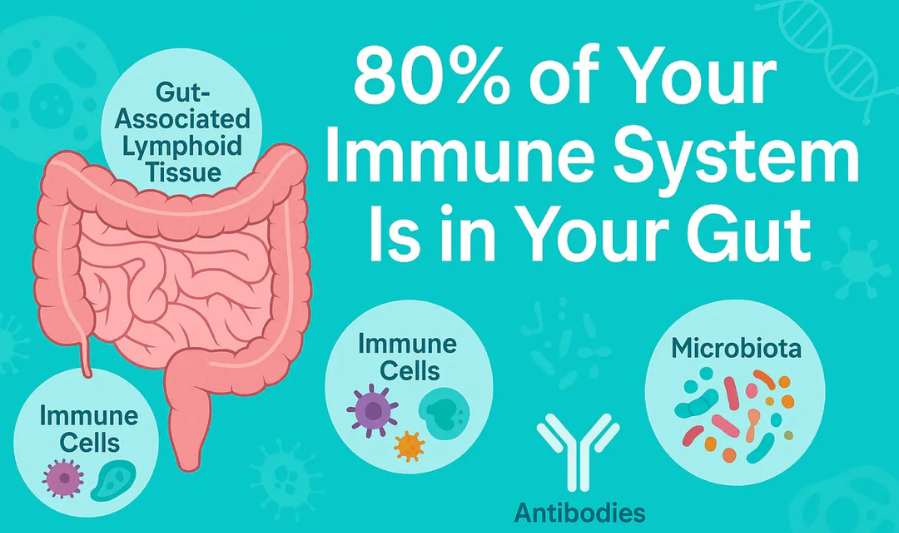
The immune system is the body’s natural defense against harmful bacteria, viruses, fungi, parasites, and other disease-causing organisms. It is made up of organs, tissues, cells, and proteins that work together to recognize and destroy harmful invaders while protecting healthy cells. A strong and well-functioning immune system is essential for maintaining overall health and preventing infections.
How the Immune System Protects the Body
The immune system protects the body through multiple layers of defense. The skin and mucous membranes act as the first barrier, preventing germs from entering the body. If pathogens get inside, white blood cells identify and attack them. The immune system also produces antibodies that recognize and neutralize specific germs. After fighting certain infections or receiving vaccinations, the body develops immune memory, allowing it to respond more quickly to future exposures.
Ways to Strengthen Immunity
Although there is no single way to “boost” the immune system instantly, healthy lifestyle habits help it function effectively. Eating a balanced diet rich in fruits, vegetables, whole grains, lean proteins, and healthy fats provides essential nutrients. Regular physical activity, adequate sleep, proper hydration, stress management, and maintaining a healthy weight also support immune health. Avoiding smoking, limiting alcohol intake, practicing good hygiene, and staying up to date with recommended vaccinations further reduce the risk of infections.
Common Myths About Immunity
Many misconceptions surround the immune system. One common myth is that dietary supplements alone can prevent illness or dramatically strengthen immunity. In reality, supplements only help when a nutrient deficiency exists and should not replace a healthy diet. Another myth is that exposure to cold weather directly causes colds; viral infections—not low temperatures—are the actual cause. It is also incorrect to believe that antibiotics treat viral infections, as antibiotics are only effective against bacterial infections.
When to Seek Medical Attention
Most minor illnesses improve with rest and supportive care, but some symptoms require prompt medical evaluation. Seek medical attention if you have a high or persistent fever, difficulty breathing, chest pain, severe dehydration, confusion, persistent vomiting, symptoms that worsen instead of improving, or signs of a serious infection. People with weakened immune systems, older adults, young children, and those with chronic medical conditions should consult a healthcare professional promptly if they develop concerning symptoms.
The Importance of Heart Health
Heart health is a key part of overall well-being because the heart is responsible for pumping blood throughout the body. This blood delivers oxygen and nutrients to organs and tissues while removing waste products. When the heart is healthy, the body functions efficiently; when it is not, it can lead to serious conditions such as heart disease, heart attack, or stroke.
How the Heart Works
The heart is a muscular organ that works like a pump. It has four chambers: two upper chambers (atria) and two lower chambers (ventricles). Blood flows through the heart in a coordinated cycle. Deoxygenated blood returns to the heart from the body, is sent to the lungs to receive oxygen, and then is pumped back out to supply the entire body. Valves in the heart ensure blood flows in the correct direction without backflow.
Risk Factors for Heart Disease
Several factors increase the risk of developing heart disease. Some cannot be changed, such as age, gender, and family history. However, many risk factors are related to lifestyle, including high blood pressure, high cholesterol, smoking, diabetes, obesity, lack of physical activity, poor diet, and chronic stress. Managing these factors can significantly reduce the risk of heart-related problems.
Warning Signs of Heart Problems
Heart problems may develop gradually or appear suddenly. Common warning signs include chest pain or discomfort, shortness of breath, irregular heartbeat, dizziness, fatigue, swelling in the legs, and pain that spreads to the arms, neck, or jaw. In severe cases, symptoms of a heart attack may include intense chest pressure, sweating, nausea, and sudden weakness. Immediate medical attention is critical if these symptoms occur.
Tips for Maintaining a Healthy Heart
A healthy heart can be supported through simple daily habits. Eating a balanced diet low in saturated fats, salt, and processed foods while rich in fruits, vegetables, and whole grains is important. Regular exercise, such as walking, cycling, or swimming, helps improve circulation and heart strength. Maintaining a healthy weight, avoiding tobacco, limiting alcohol, managing stress, and getting regular health checkups also contribute to long-term heart health.
Sleep and Its Impact on Your Health
Sleep is a vital biological process that allows the body and brain to rest, recover, and function properly. It plays a key role in physical health, mental well-being, immunity, and daily performance. Poor sleep or chronic sleep deprivation can negatively affect nearly every system in the body.
Recommended Sleep Duration
The amount of sleep needed varies by age. Most adults require about 7–9 hours of sleep per night for optimal health. Teenagers typically need 8–10 hours, while school-age children may need 9–12 hours. Older adults may sleep slightly less but still benefit from 7–8 hours of quality rest. Consistency in sleep timing is just as important as total duration.
Benefits of Quality Sleep
Good-quality sleep helps the body repair tissues, regulate hormones, and strengthen the immune system. It also supports brain function, improving memory, concentration, learning, and decision-making. Adequate sleep contributes to emotional stability, better mood, and reduced stress. In addition, it lowers the risk of chronic diseases such as heart disease, diabetes, and obesity.
Health Risks of Sleep Deprivation
Lack of sleep can have serious short-term and long-term effects. In the short term, it may cause fatigue, irritability, poor concentration, and reduced performance. Over time, chronic sleep deprivation increases the risk of high blood pressure, weakened immunity, weight gain, diabetes, depression, and cardiovascular diseases. It can also impair judgment and increase the risk of accidents.
Tips for Better Sleep Habits
Improving sleep quality starts with maintaining a regular sleep schedule by going to bed and waking up at the same time each day. Creating a calm sleep environment—dark, quiet, and cool—can also help. Limiting screen time before bed, avoiding caffeine late in the day, and engaging in relaxing activities such as reading or light stretching can promote better sleep. Regular physical activity during the day also supports deeper and more restful sleep at night.
Hydration: Why Water Is Essential
Water is fundamental to life and is involved in nearly every function of the human body. Staying properly hydrated supports physical performance, mental clarity, digestion, temperature regulation, and overall health. Even mild dehydration can affect how the body and brain function.
Functions of Water in the Body
Water plays several important roles in maintaining health. It helps regulate body temperature through sweating and respiration. It supports digestion by breaking down food and aiding nutrient absorption. Water also transports oxygen and nutrients to cells, cushions joints, protects sensitive tissues, and helps remove waste through urine and sweat. Without adequate water intake, these systems cannot function efficiently.
Signs of Dehydration
Dehydration occurs when the body loses more fluids than it takes in. Common early signs include thirst, dry mouth, fatigue, headache, and dark-colored urine. As dehydration worsens, symptoms may include dizziness, rapid heartbeat, confusion, low blood pressure, and reduced urine output. Severe dehydration is a medical emergency and requires immediate attention.
Daily Hydration Tips
Staying hydrated can be achieved through simple daily habits. Drinking water regularly throughout the day is more effective than consuming large amounts at once. Increasing fluid intake during hot weather or physical activity is important. Eating water-rich foods such as fruits and vegetables also helps maintain hydration. Carrying a water bottle and setting reminders can support consistent intake.
Common Myths About Water Intake
There are several misconceptions about hydration. One common myth is that everyone must drink exactly eight glasses of water daily; in reality, needs vary based on age, activity level, and climate. Another myth is that only water counts toward hydration, while in fact other beverages and moisture-rich foods also contribute. It is also false that drinking excessive water is always beneficial, as overhydration can sometimes disrupt the body’s electrolyte balance.
Nutrition Facts Everyone Should Know
Good nutrition is the foundation of overall health. The food we eat provides energy, supports growth and repair, strengthens immunity, and reduces the risk of many chronic diseases. Understanding basic nutrition helps people make smarter food choices and maintain long-term wellness.
Importance of Balanced Meals
A balanced meal includes the right proportions of carbohydrates, proteins, healthy fats, vitamins, minerals, and fiber. Carbohydrates provide energy, proteins help build and repair tissues, and fats support brain function and hormone production. Fruits and vegetables supply essential vitamins, minerals, and antioxidants. Eating balanced meals regularly helps maintain energy levels, supports healthy body weight, and improves overall health.
Essential Vitamins and Minerals
Vitamins and minerals are micronutrients needed in small amounts but are crucial for body function. Vitamin A supports vision and immune health, vitamin C helps with wound healing and immunity, and vitamin D strengthens bones. B vitamins are important for energy production, while vitamin E acts as an antioxidant. Key minerals include calcium for strong bones, iron for oxygen transport, potassium for heart function, and zinc for immune support.
Healthy Eating Habits
Healthy eating is not just about what you eat but also how you eat. Eating regular meals, controlling portion sizes, and chewing food properly improve digestion. Drinking enough water, including a variety of foods in the diet, and avoiding skipping meals are also important. Planning meals in advance and choosing fresh, minimally processed foods can help maintain a healthier lifestyle.
Foods to Limit
Certain foods should be consumed in moderation to protect long-term health. These include processed foods, sugary drinks, excessive salt, trans fats, and deep-fried items. High consumption of these foods can increase the risk of obesity, diabetes, heart disease, and other health problems. Reducing intake of fast food and packaged snacks while choosing natural, whole foods is a healthier approach.
Exercise and Physical Activity
Regular physical activity is one of the most effective ways to improve overall health. It strengthens the body, supports mental well-being, and reduces the risk of many chronic diseases. Exercise does not always mean intense workouts—even simple daily movement can make a significant difference.
Physical and Mental Benefits
Exercise provides numerous benefits for both the body and mind. Physically, it improves heart and lung health, strengthens muscles and bones, supports healthy weight management, and boosts energy levels. Mentally, physical activity helps reduce stress, anxiety, and symptoms of depression while improving mood, focus, and sleep quality. It also supports better brain function and memory over time.
Recommended Weekly Exercise
Health experts generally recommend at least 150 minutes of moderate-intensity aerobic activity per week for adults, such as brisk walking, or 75 minutes of vigorous activity such as running. In addition, muscle-strengthening exercises should be done at least two days per week. Spreading activity throughout the week is more effective than doing it all at once.
Beginner-Friendly Activities
For beginners, it is best to start with simple and low-impact activities. Walking, light jogging, cycling, stretching, yoga, and swimming are excellent choices. Household chores like cleaning or gardening also contribute to physical activity. The key is to start slowly and gradually increase intensity and duration as fitness improves.
Staying Active Throughout the Day
Staying active does not always require a structured workout. Small habits can help reduce long periods of sitting, such as taking short walking breaks, using stairs instead of elevators, stretching regularly, and standing up every hour. Even short bursts of movement throughout the day can improve circulation and overall energy levels.
Mental Health Is Just as Important
Mental health is a key part of overall well-being, just like physical health. It affects how people think, feel, and behave in daily life. Good mental health helps individuals manage stress, maintain relationships, make decisions, and cope with challenges effectively.
Managing Stress
Stress is a normal response to life’s demands, but long-term stress can negatively affect both the mind and body. Managing stress involves identifying triggers and using healthy techniques to respond to them. Practices such as deep breathing, regular exercise, time management, adequate sleep, and engaging in hobbies can help reduce stress levels and improve emotional balance.
Recognizing Anxiety and Depression
Anxiety and depression are common mental health conditions that can affect daily functioning. Anxiety may include excessive worry, restlessness, rapid heartbeat, and difficulty concentrating. Depression often involves persistent sadness, loss of interest in activities, fatigue, changes in sleep or appetite, and feelings of hopelessness. Recognizing these symptoms early is important for getting appropriate support and treatment.
You may also like to read these posts:
Artificial Intelligence: Shaping the Future of Humanity
Understanding Machine Learning and Its Real-World Applications
Understanding Data Science and Its Real-World Applications
Medical Facts You Should Know for a Healthier Life
Building Healthy Coping Strategies
Healthy coping strategies help people manage emotional challenges in constructive ways. These include maintaining a routine, staying physically active, talking to trusted friends or family members, practicing mindfulness or meditation, and breaking problems into smaller, manageable steps. Avoiding unhealthy coping mechanisms such as substance misuse or isolation is also important for long-term well-being.
When to Seek Professional Support
Professional help should be considered when emotional difficulties persist or interfere with daily life. If symptoms such as constant sadness, severe anxiety, panic attacks, or thoughts of self-harm occur, it is important to seek support from a mental health professional. Early intervention can improve recovery outcomes and provide individuals with effective tools to manage their mental health.
Faqs:
How often should I go for a health checkup?
Most adults should have a general health checkup once a year, but people with existing health conditions may need more frequent visits as advised by their doctor.
How much water should I drink daily?
On average, adults need about 2–3 liters of water per day, but this can vary depending on age, activity level, and weather conditions.
Can regular exercise improve mental health?
Yes, regular physical activity helps reduce stress, anxiety, and depression by releasing “feel-good” hormones called endorphins.
Are antibiotics effective against colds and flu?
No, antibiotics only work against bacterial infections, not viral illnesses like the common cold or flu.
What is the easiest way to stay healthy?
The simplest way is to follow basic habits: eat a balanced diet, stay active, drink enough water, get proper sleep, and avoid harmful substances like smoking.
Conclusion
Understanding basic medical facts is an important step toward a healthier lifestyle. Small daily choices—such as eating nutritious food, staying physically active, drinking enough water, managing stress, and getting enough sleep—can greatly improve your overall well-being.
While this guide provides helpful general information, every person’s health needs are different. That is why regular checkups and professional medical advice are important when needed.
In the end, good health is not built in one day; it is the result of consistent, positive habits over time.