
Introduction
What Are Health Myths?
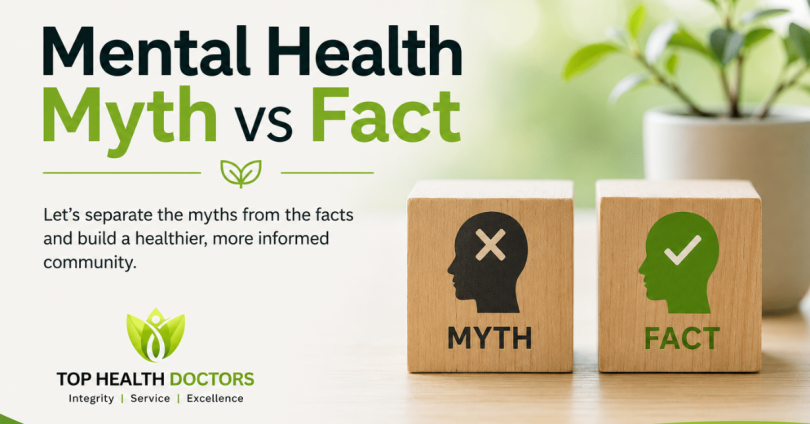
Health myths are false or misleading beliefs about the human body, diseases, treatments, or lifestyle practices. These ideas often sound believable but are not supported by scientific evidence. Examples include misconceptions about vaccines, nutrition, exercise, or common illnesses. Health myths can influence decisions in ways that may harm well-being if they are followed instead of accurate medical advice.
Why Health Misinformation Spreads Quickly
Health misinformation spreads rapidly because it is often simple, emotional, and easy to share. Social media platforms, word-of-mouth, and unverified online sources can quickly circulate incorrect information. People may also trust personal experiences or popular opinions more than scientific research. In stressful situations, individuals may be more likely to believe quick “fixes” or sensational claims.
Importance of Separating Facts from Myths
Separating facts from myths is essential for making safe and effective health decisions. Relying on incorrect information can lead to poor lifestyle choices, delayed treatment, or unnecessary fear. Accurate knowledge helps individuals prevent diseases, follow proper treatments, and adopt healthier habits based on evidence rather than assumptions.
How This Blog Helps Readers Make Informed Decisions
This blog is designed to clarify common health misconceptions and provide reliable, science-based information. By explaining the truth behind popular myths and presenting accurate health facts, it helps readers understand how the body works and how diseases can be prevented. The goal is to support better decision-making and encourage a more informed approach to personal health and wellness.
Understanding Health Facts vs Myths

Definition of Health Facts (Scientific Evidence-Based)
Health facts are pieces of information about the human body, diseases, and treatments that are supported by scientific evidence. These facts are verified through careful research, clinical trials, and repeated testing. Medical professionals and scientists rely on data from well-designed studies to confirm what is true and effective in healthcare.
Definition of Myths (Beliefs Without Proof)
Health myths are beliefs or ideas about health that are not supported by scientific evidence. They often come from personal opinions, cultural traditions, misunderstandings, or unverified sources. Although they may seem convincing or widely shared, myths are not tested or proven through proper medical research.
Role of Research and Medical Studies
Research and medical studies play a crucial role in separating facts from myths. Scientists conduct experiments, clinical trials, and long-term studies to understand how the human body works and how diseases can be treated or prevented. Peer review and repeated testing help ensure that medical findings are accurate, reliable, and safe for public use. This process forms the foundation of modern medicine and healthcare guidelines.
Why Myths Can Be Harmful
Health myths can be dangerous because they may lead people to make incorrect or unsafe decisions. Following false information can delay proper treatment, worsen medical conditions, or prevent individuals from seeking professional help. Some myths may also encourage harmful practices or unnecessary fear. Relying on accurate, evidence-based information is essential for protecting health and making informed decisions.
Water and Hydration Myths
Water is essential for life, but many common beliefs about hydration are oversimplified or incorrect. Understanding the difference between myths and facts helps people stay properly hydrated based on real body needs rather than fixed rules.
2.1 Myth: Everyone Needs 8 Glasses of Water Daily
The idea that every person must drink exactly 8 glasses of water per day is a common myth. While water intake is important, hydration needs are not the same for everyone.
Individual Water Needs
Each person’s hydration requirement depends on several factors, including:
- Body size and weight
- Age and gender
- Diet (food with high water content also contributes to hydration)
- Overall health condition
- Level of physical activity
Because of these differences, a fixed number cannot apply to all individuals.
Role of Climate, Activity, and Health
Environmental and lifestyle factors also influence water needs:
- Hot or humid climates increase sweating and fluid loss
- Physical activity raises water requirements due to exercise-induced sweating
- Health conditions such as fever, diarrhea, or kidney issues can increase or sometimes require controlled fluid intake
These factors show that hydration needs change daily and are not fixed.
2.2 Fact: Hydration Depends on Body Needs
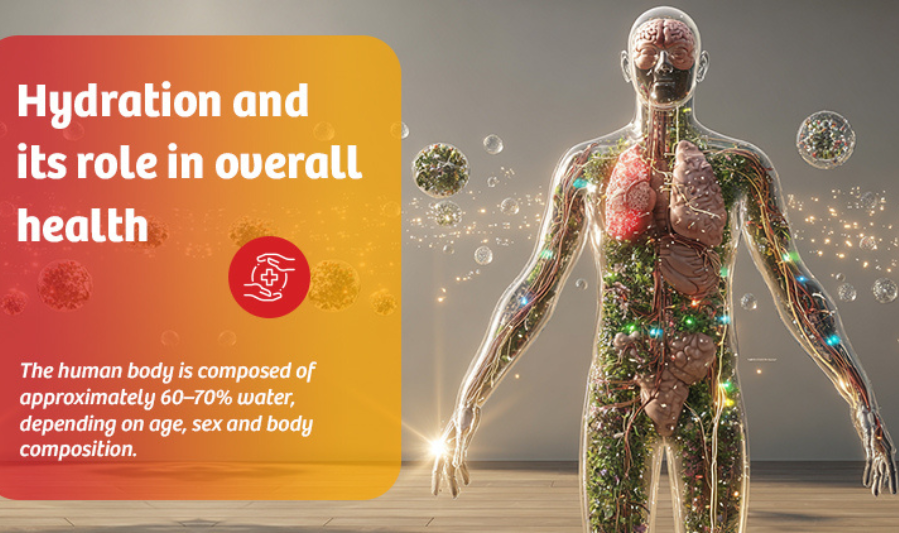
Scientific evidence shows that the body naturally regulates hydration through a balance of thirst signals and fluid intake.
Signs of Dehydration
Common signs that the body needs more fluids include:
- Thirst
- Dark yellow urine
- Dry mouth or lips
- Fatigue or weakness
- Headache
- Dizziness
More severe dehydration may cause confusion, rapid heartbeat, or very low urine output and requires medical attention.
Natural Thirst Mechanism
The human body has a built-in system to regulate hydration called the thirst mechanism. When the body begins to lose fluids, the brain signals thirst, encouraging drinking before dehydration becomes severe. In most healthy individuals, this system is reliable for maintaining proper hydration when responded to appropriately.
Listening to thirst cues, drinking water regularly, and adjusting intake based on activity and climate are more effective than following a fixed daily rule.
Weather and Illness Myths
Many people believe that weather directly causes illness, especially colds. In reality, most common infections are caused by viruses, and weather mainly influences how easily these viruses spread rather than causing the illness itself.
3.1 Myth: Cold Weather Causes Colds
A widespread myth is that being exposed to cold weather directly leads to catching a cold. While cold temperatures may affect comfort and behavior, they do not cause viral infections.
Real Cause: Viruses
Common colds are caused by viruses such as rhinoviruses. Influenza (flu) is caused by influenza viruses. These microorganisms enter the body and infect the respiratory system, leading to symptoms like coughing, sneezing, sore throat, and fever.
How Infections Spread
Respiratory infections spread through:
- Droplets released when an infected person coughs, sneezes, or talks
- Touching contaminated surfaces and then touching the face (mouth, nose, or eyes)
- Close contact with infected individuals in crowded or poorly ventilated spaces
Cold weather may encourage people to stay indoors, which can increase close contact and make transmission easier, but it is not the cause of infection itself.
3.2 Fact: Hygiene Is More Important Than Weather
Scientific evidence shows that hygiene practices play a much bigger role in preventing illness than weather conditions.
Handwashing
Regular and proper handwashing is one of the most effective ways to prevent the spread of infections. Using soap and water helps remove viruses and bacteria from the hands, reducing the chance of transferring them to the face or other people. In situations where soap is not available, alcohol-based sanitizers can also help reduce germs.
Avoiding Close Contact During Illness
Limiting close contact with sick individuals helps prevent the spread of infectious diseases. Covering the mouth and nose when coughing or sneezing, staying home when unwell, and maintaining clean environments all reduce transmission risk. Good hygiene practices are effective year-round, regardless of weather conditions.
Nutrition Myths
Nutrition is one of the most misunderstood areas of health, and many common beliefs are not supported by scientific evidence. Clearing up these myths helps people make better dietary choices based on facts rather than assumptions.
4.1 Myth: Sugar Causes Hyperactivity
A popular belief is that eating sugar makes children hyperactive. However, scientific research has not found a direct link between sugar intake and increased hyperactivity.
Scientific Findings
Multiple controlled studies show that sugar does not directly cause hyperactive behavior in children or adults. While sugar provides quick energy, it does not change behavior in the dramatic way many people believe. The “sugar rush” effect is largely a misconception.
Role of Environment and Behavior
Behavior often attributed to sugar is more likely influenced by:
- Exciting environments (parties, celebrations, social settings)
- Expectations from parents or adults
- Lack of sleep or overstimulation
- Normal childhood energy levels
These factors explain behavior changes better than sugar intake alone.
4.2 Myth: Fat Makes You Fat
Another common myth is that eating fat automatically leads to weight gain. In reality, body weight is influenced by overall calorie balance, not just fat consumption.
Difference Between Healthy and Unhealthy Fats
Not all fats are the same:
- Healthy fats: Found in foods like nuts, seeds, avocados, olive oil, and fish. These support brain function, hormone production, and heart health.
- Unhealthy fats: Trans fats and excessive saturated fats found in processed and fried foods can increase the risk of heart disease and weight gain if consumed in excess.
Role of Calories and Diet Balance
Weight gain occurs when calorie intake consistently exceeds calorie expenditure, regardless of whether those calories come from fat, carbohydrates, or protein. A balanced diet that includes healthy fats in moderation is essential for overall health.
4.3 Fact: Balanced Nutrition Is Key
Scientific evidence strongly supports the importance of a balanced diet for good health and disease prevention.
Macronutrients Importance
The body needs three main macronutrients:
- Carbohydrates: Primary energy source
- Proteins: Essential for growth and tissue repair
- Fats: Important for brain function, hormone production, and energy storage
Each nutrient plays a vital role, and eliminating any one group can negatively affect health.
Healthy Eating Habits
Healthy nutrition is based on consistent habits such as:
- Eating a variety of whole foods, including fruits and vegetables
- Choosing whole grains over refined grains
- Including lean proteins and healthy fats in meals
- Controlling portion sizes
- Limiting processed foods, added sugars, and excess salt
- Staying hydrated with water
A balanced and varied diet is the most reliable way to maintain energy, support growth, and reduce the risk of chronic diseases.
Exercise Myths
Exercise is often misunderstood as something done only for appearance or weight control. In reality, physical activity affects almost every system in the body and plays a much broader role in long-term health.
5.1 Myth: Exercise Is Only for Weight Loss
A common misconception is that exercise is only necessary for losing weight or achieving a certain body shape. While exercise can support weight management, its benefits go far beyond that.
Mental and Physical Benefits
Regular physical activity improves both mental and physical health, including:
- Mental benefits: Reduces stress, anxiety, and symptoms of depression while improving mood, focus, and sleep quality.
- Physical benefits: Strengthens muscles and bones, improves flexibility, boosts energy levels, and enhances endurance.
Exercise also supports better self-confidence and emotional well-being, making it an important part of a healthy lifestyle regardless of body weight goals.
5.2 Fact: Exercise Supports Full-Body Health
Scientific evidence shows that regular physical activity benefits nearly every system in the body, not just weight control.
Heart, Brain, and Immunity Benefits
- Heart health: Strengthens the heart muscle, improves blood circulation, lowers blood pressure, and reduces the risk of cardiovascular diseases.
- Brain health: Enhances memory, concentration, and cognitive function while helping reduce the risk of neurodegenerative conditions over time.
- Immune system: Supports better immune function by improving circulation of immune cells and reducing chronic inflammation.
Exercise also helps regulate blood sugar levels, improves lung capacity, and supports healthy aging.
Medical Treatment Myths
Many people misunderstand how medicines work, especially antibiotics. These myths can lead to improper use of treatments and serious health risks. Understanding the difference between facts and misconceptions is essential for safe and effective healthcare.
You may also like to read these posts:
Artificial Intelligence: Shaping the Future of Humanity
Understanding Machine Learning and Its Real-World Applications
Understanding Data Science and Its Real-World Applications
Medical Facts You Should Know for a Healthier Life
6.1 Myth: Antibiotics Cure All Infections
A common belief is that antibiotics can treat any type of infection. In reality, antibiotics only work against certain kinds of bacteria and are ineffective against viruses.
Viral vs Bacterial Infections
- Bacterial infections: Caused by bacteria and may be treated with antibiotics when prescribed by a doctor (e.g., some throat infections, urinary tract infections).
- Viral infections: Caused by viruses and include illnesses such as the common cold, flu, and most sore throats. Antibiotics do not work against these conditions.
Using antibiotics for viral infections does not improve symptoms or speed up recovery.
Antibiotic Resistance
Misusing antibiotics can lead to antibiotic resistance, a serious global health problem. This happens when bacteria adapt and become resistant to medicines, making infections harder to treat. As a result, standard treatments may become less effective or stop working altogether.
6.2 Fact: Proper Medical Use Is Essential
Safe and effective treatment depends on using medicines correctly under professional guidance.
Importance of Doctor’s Prescription
Antibiotics and other prescription medicines should only be taken when recommended by a qualified healthcare professional. Doctors determine:
- Whether the infection is bacterial or viral
- The correct type of medication
- The proper dosage and duration of treatment
Following medical advice ensures safe and effective recovery.
Risks of Misuse
Improper use of medicines can cause:
- Antibiotic resistance
- Side effects such as allergies or stomach problems
- Incomplete treatment and recurring infections
- Reduced effectiveness of future treatments
Using medicines responsibly protects both individual and public health.
Faqs:
Why are health myths dangerous?
Health myths can lead to wrong decisions, delayed treatment, and sometimes harmful practices that affect overall health.
How can I check if a health claim is true?
You can verify health information by checking trusted medical websites, scientific studies, or consulting qualified healthcare professionals.
Are natural remedies always safe?
Not always. Some natural remedies can help, but others may be ineffective or even harmful if used incorrectly or without guidance.
What is the most common health myth?
One of the most common myths is that cold weather causes the common cold, while in reality, viruses are responsible.
Can believing in myths affect treatment?
Yes, relying on myths instead of real medical advice can delay proper treatment and make health conditions worse.
Conclusion
Health facts and myths are often mixed together, making it important to think critically about the information we hear. While facts are based on scientific evidence, myths are usually based on misconceptions or incomplete knowledge.
By learning the truth behind common health beliefs, we can make smarter and safer decisions about our lifestyle, diet, and medical care. Always rely on trusted sources and healthcare professionals instead of unverified information.