
Introduction
What Are Common Medical Conditions?
Common medical conditions are health problems that affect a large number of people worldwide. These can range from mild and short-term illnesses like colds and infections to long-term chronic diseases such as diabetes, hypertension, asthma, and heart disease. Understanding these conditions helps individuals recognize symptoms and respond appropriately.
Why Awareness Is Important
Awareness of medical conditions is essential because it helps people make informed decisions about their health. When individuals understand risk factors, symptoms, and prevention methods, they are more likely to adopt healthier lifestyles and seek timely medical care. Awareness also helps reduce fear and misinformation, encouraging better community health practices.
How Early Knowledge Helps in Prevention and Treatment
Early knowledge of medical conditions plays a crucial role in both prevention and treatment. Recognizing warning signs early allows for faster diagnosis and more effective treatment, often before complications develop. It also encourages preventive actions such as lifestyle changes, screenings, and regular checkups, which can significantly reduce the severity or even prevent many diseases altogether.
Respiratory Conditions
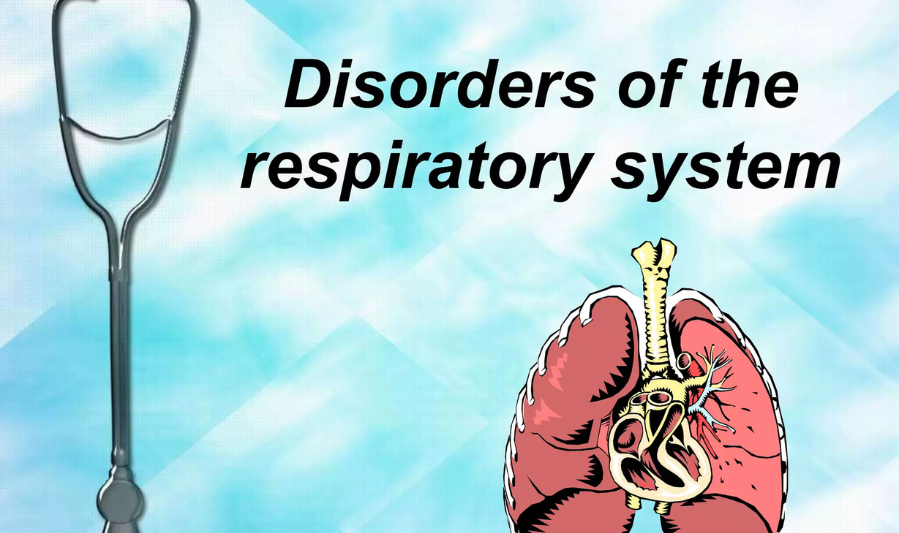
Respiratory conditions affect the airways and lungs, making it harder to breathe and reducing oxygen supply to the body. Some are mild and short-term, while others are chronic and require long-term management. Understanding these conditions helps in prevention, early recognition, and proper care.
1.1 Common Cold & Flu
Causes (Viral Infections)
The common cold and flu are caused by viruses that infect the upper respiratory tract. The cold is usually caused by rhinoviruses, while influenza viruses are responsible for the flu. These infections spread easily, especially in crowded places and during seasonal changes.
Transmission Methods
Both cold and flu spread mainly through:
- Droplets released when an infected person coughs, sneezes, or talks
- Touching contaminated surfaces and then touching the face (nose, mouth, or eyes)
- Close contact with infected individuals
Difference Between Cold and Flu
Although similar, they differ in severity:
- Common cold: Mild symptoms such as runny nose, sneezing, sore throat, and mild fatigue
- Flu (influenza): More severe symptoms including high fever, body aches, chills, headache, and extreme tiredness
Flu symptoms usually come on suddenly and can lead to complications in vulnerable individuals.
Prevention Tips
Preventive measures include:
- Frequent handwashing with soap and water
- Avoiding close contact with sick individuals
- Covering mouth and nose when coughing or sneezing
- Strengthening immunity through a healthy diet, sleep, and exercise
- Getting annual flu vaccination where available
1.2 Asthma
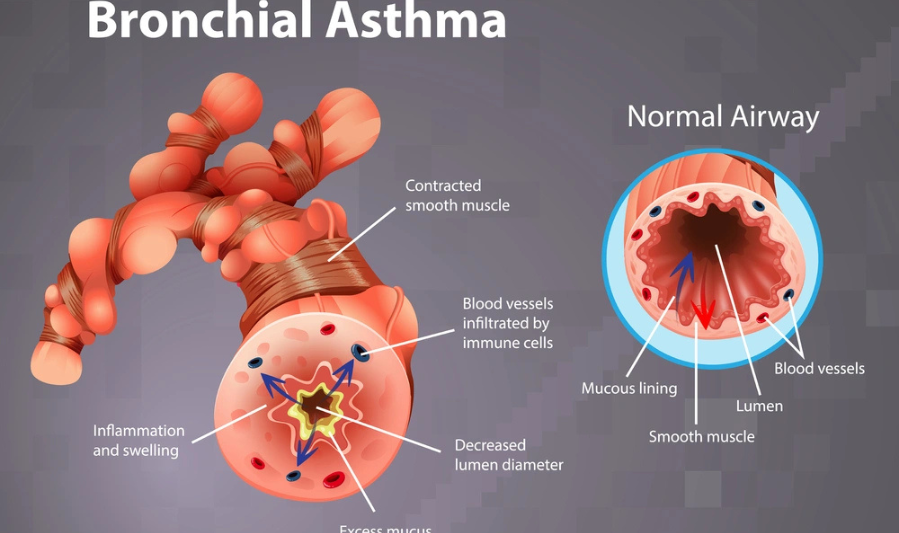
Asthma is a chronic respiratory condition in which the airways become inflamed and narrowed, making breathing difficult. It often occurs in episodes known as asthma attacks.
What Triggers Asthma Attacks
Common triggers include:
- Dust, pollen, and air pollution
- Smoke (especially cigarette smoke)
- Strong odors or chemical fumes
- Respiratory infections
- Cold air or sudden weather changes
- Physical exertion in some individuals
Environmental Factors
Environmental conditions play a major role in asthma severity. Poor air quality, indoor allergens like mold or dust mites, and exposure to industrial pollution can increase symptoms. Living in clean, well-ventilated environments helps reduce flare-ups.
Long-Term Management
Asthma is managed rather than cured. Long-term control includes:
- Using prescribed inhalers regularly (controller medications)
- Avoiding known triggers
- Monitoring symptoms and lung function
- Following a personalized asthma action plan from a healthcare provider
- Regular medical checkups
Emergency Care Basics
During a severe asthma attack:
- Use a quick-relief inhaler immediately if available
- Sit upright and try to stay calm
- Avoid lying down, as it can worsen breathing
- Seek emergency medical help if breathing does not improve, lips turn blue, or speaking becomes difficult
Prompt action during an attack can prevent serious complications and save lives.
Digestive System Disorders
Digestive system disorders affect how the body breaks down food, absorbs nutrients, and removes waste. These issues are often linked to diet, lifestyle habits, stress, and underlying medical conditions. Understanding them can help in managing symptoms and improving overall digestive health.
2.1 Acidity & Gastric Problems
Acidity and gastric problems occur when there is an imbalance in stomach acid production or irritation of the stomach lining. This can lead to discomfort and digestive disturbances.
Causes (Diet, Lifestyle, Stress)
Common causes include:
- Eating spicy, oily, or processed foods
- Irregular meal timings or skipping meals
- Excessive consumption of tea, coffee, or carbonated drinks
- Stress and anxiety
- Smoking and alcohol use
- Poor sleep habits
Symptoms
Typical symptoms may include:
- Burning sensation in the chest or upper stomach (heartburn)
- Bloating and gas
- Nausea or discomfort after eating
- Sour taste in the mouth
- Indigestion and heaviness
Foods That Help and Worsen Condition
Foods that help:
- Bananas and other non-citrus fruits
- Oatmeal and whole grains
- Yogurt (probiotic-rich foods)
- Vegetables like cucumbers and leafy greens
- Plenty of water
Foods that worsen condition:
- Spicy and fried foods
- Citrus fruits and tomatoes (in some cases)
- Caffeinated drinks
- Chocolate and carbonated beverages
- Highly processed or fast foods
2.2 Irritable Bowel Issues (Basic Overview)
Irritable bowel issues refer to functional digestive problems where the bowel does not work normally, often without visible damage. A common example is Irritable Bowel Syndrome (IBS), which affects bowel movements and causes discomfort.
Common Digestive Irregularities
Symptoms may vary but often include:
- Abdominal pain or cramping
- Diarrhea, constipation, or alternating between both
- Bloating and excessive gas
- Changes in stool consistency
- Feeling of incomplete bowel emptying
Role of Fiber and Hydration
Diet plays a major role in managing bowel health:
- Fiber: Helps regulate bowel movements and improves digestion. Found in fruits, vegetables, legumes, and whole grains.
- Hydration: Drinking enough water softens stool and supports smooth digestion.
A balanced intake of fiber and fluids can reduce symptoms and improve gut function.
When to See a Doctor
Medical advice should be sought if symptoms are:
- Persistent or worsening over time
- Accompanied by unexplained weight loss or severe pain
- Associated with blood in stool
- Affecting daily life or sleep
Early evaluation helps rule out serious conditions and ensures proper treatment and management.
Cardiovascular Conditions
Cardiovascular conditions affect the heart and blood vessels and are among the leading causes of illness worldwide. Many of these conditions develop slowly over time and may not show clear symptoms in the early stages. Understanding them is important for prevention, early detection, and effective management.
3.1 High Blood Pressure
High blood pressure, also called hypertension, occurs when the force of blood against the artery walls remains consistently too high. It is often called a “silent disease” because many people do not notice symptoms until serious damage has already occurred.
Silent Nature of the Disease
Most individuals with high blood pressure feel normal, even when their blood pressure is dangerously elevated. Because of this, it often goes undiagnosed without regular checkups. Over time, untreated hypertension can quietly damage the heart, brain, kidneys, and blood vessels.
Risk Factors (Diet, Obesity, Stress)
Several factors increase the risk of developing high blood pressure:
- High salt and unhealthy diet
- Excess body weight or obesity
- Lack of physical activity
- Chronic stress and poor sleep
- Smoking and alcohol use
- Family history of hypertension
Long-Term Complications
If not controlled, high blood pressure can lead to serious health problems such as:
- Heart attack and heart failure
- Stroke
- Kidney damage or failure
- Vision loss
- Damage to blood vessels (arterial disease)
3.2 Heart Disease (Basic Introduction)
Heart disease refers to conditions that affect the heart’s structure and function, including coronary artery disease, heart failure, and rhythm disorders. It usually develops over many years due to lifestyle and genetic factors.
Warning Signs
Common warning signs of heart disease may include:
- Chest pain or discomfort
- Shortness of breath
- Fatigue or weakness
- Irregular heartbeat or palpitations
- Dizziness or fainting
- Pain spreading to the arm, neck, or jaw (in serious cases)
Importance of Cholesterol Control
Cholesterol is a fatty substance in the blood. When levels are too high, it can build up in the arteries and form plaques, narrowing blood flow to the heart. Controlling cholesterol through diet, exercise, and medication (if prescribed) helps reduce the risk of heart attacks and other complications.
Lifestyle Prevention
Heart disease can often be prevented or delayed through healthy lifestyle choices:
- Eating a balanced diet low in saturated fats and salt
- Regular physical activity
- Maintaining a healthy weight
- Avoiding smoking and limiting alcohol
- Managing stress effectively
- Regular health checkups to monitor blood pressure and cholesterol
Adopting these habits early can significantly reduce long-term cardiovascular risk.
Metabolic Disorders
Metabolic disorders affect how the body processes energy from food. One of the most common metabolic conditions is diabetes, which involves problems with blood sugar regulation. If not managed properly, it can lead to serious long-term health complications.
4.1 Diabetes
Diabetes is a chronic condition in which blood sugar (glucose) levels become too high because the body either does not produce enough insulin or cannot use it effectively. Insulin is a hormone that helps glucose move from the blood into cells to be used for energy.
Type 1 vs Type 2 (Basic Explanation)
There are two main types of diabetes:
- Type 1 Diabetes:
This is an autoimmune condition where the body’s immune system attacks insulin-producing cells in the pancreas. As a result, little or no insulin is produced. It usually appears in childhood or early adulthood and requires lifelong insulin therapy. - Type 2 Diabetes:
This is the most common form of diabetes. It occurs when the body becomes resistant to insulin or does not produce enough of it. It is often linked to lifestyle factors such as poor diet, obesity, and lack of physical activity, though genetics also play a role.
Blood Sugar Regulation
In a healthy body, blood sugar levels are carefully controlled by insulin. After eating, glucose levels rise, and insulin helps move sugar into cells for energy or storage. In diabetes, this process is disrupted, causing blood sugar to remain too high, which can damage organs over time if not controlled.
Lifestyle Management
Managing diabetes effectively requires consistent lifestyle habits:
- Eating a balanced diet rich in whole grains, vegetables, and lean proteins
- Limiting sugar, refined carbohydrates, and processed foods
- Regular physical activity to help control blood sugar levels
- Maintaining a healthy body weight
- Monitoring blood glucose levels as advised by a healthcare provider
- Taking prescribed medications or insulin when necessary
With proper management, people with diabetes can lead healthy and active lives while reducing the risk of complications.
Neurological Conditions
Neurological conditions affect the brain, nerves, and nervous system, which control thinking, movement, sensation, and overall body function. One of the most common neurological issues experienced by people is headaches, including migraines.
5.1 Headaches & Migraines
Headaches are pain or discomfort in the head or upper neck region. They can vary in intensity, duration, and cause. Migraines are a more severe type of headache that often come with additional symptoms such as nausea and sensitivity to light or sound.
Types of Headaches
Common types of headaches include:
- Tension headaches: The most common type, often described as a tight band or pressure around the head.
- Migraine headaches: Intense, throbbing pain usually on one side of the head, often accompanied by nausea, vomiting, and sensitivity to light or sound.
- Cluster headaches: Severe headaches that occur in cycles or clusters, often causing pain around one eye.
- Sinus headaches: Caused by sinus infections or congestion, leading to pressure in the forehead, cheeks, and around the eyes.
Triggers (Stress, Sleep, Dehydration)
Headaches and migraines can be triggered by various factors, including:
- Stress and emotional tension
- Lack of sleep or irregular sleep patterns
- Dehydration or insufficient fluid intake
- Skipping meals or poor diet
- Excessive screen time or eye strain
- Caffeine withdrawal or overconsumption
- Strong odors, bright lights, or loud noises
Management Techniques
Headaches can often be managed with simple lifestyle adjustments and self-care strategies:
- Drinking enough water to stay hydrated
- Getting regular, adequate sleep
- Managing stress through relaxation techniques such as deep breathing or meditation
- Taking breaks from screens to reduce eye strain
- Eating regular, balanced meals
- Using pain relief medications when necessary and as recommended by a healthcare professional
- Resting in a quiet, dark room during migraine episodes
If headaches are frequent, severe, or worsening over time, medical evaluation is important to rule out underlying conditions and receive appropriate treatment.
Skin Conditions
Skin conditions are common health issues that affect the outer protective layer of the body. They can be temporary or chronic and may result from internal factors like hormones or external triggers such as allergens and environmental irritants. Some of the most common skin conditions include acne, eczema, and various types of rashes.
Acne, Eczema, and Rashes
- Acne: A condition where hair follicles become clogged with oil, dead skin cells, and bacteria, leading to pimples, blackheads, and whiteheads. It is most common during adolescence but can affect adults as well.
- Eczema: A chronic condition that causes dry, itchy, and inflamed skin. It often appears in flare-ups and can be linked to allergies or a weakened skin barrier.
- Rashes: A general term for skin irritation that may appear as redness, itching, swelling, or bumps. Rashes can have many causes, including infections or allergic reactions.
Causes (Hormones, Allergens, Hygiene)
Skin conditions can develop due to a variety of factors, including:
- Hormonal changes: Especially during puberty, menstruation, or stress, which can increase oil production and trigger acne.
- Allergens: Substances like dust, pollen, certain foods, or skincare products can cause allergic reactions leading to eczema or rashes.
- Poor hygiene: Infrequent cleansing can lead to clogged pores and bacterial buildup, worsening acne and skin irritation.
- Other factors: Environmental pollution, harsh weather, genetics, and stress can also contribute to skin problems.
Skin Care Routines
A consistent skincare routine can help maintain healthy skin and reduce flare-ups:
- Cleanse the skin gently twice daily to remove dirt and oil
- Use a suitable moisturizer to maintain skin hydration
- Apply sunscreen to protect against harmful UV rays
- Avoid touching or picking at the skin to prevent infections
- Choose non-comedogenic and gentle skincare products
- Maintain a balanced diet and stay hydrated for overall skin health
You may also like to read these posts:
Artificial Intelligence: Shaping the Future of Humanity
Understanding Machine Learning and Its Real-World Applications
Understanding Data Science and Its Real-World Applications
Medical Facts You Should Know for a Healthier Life
When Medical Treatment Is Needed
Medical attention should be sought if:
- Skin conditions are severe, persistent, or spreading
- There is pain, swelling, or signs of infection (pus, warmth, fever)
- Over-the-counter treatments do not improve symptoms
- Eczema or acne significantly affects daily life or self-esteem
Early diagnosis and treatment by a healthcare professional can help control symptoms, prevent complications, and improve skin health effectively.
Faqs:
What are common medical conditions?
Common medical conditions are health problems that many people experience, such as cold, flu, diabetes, high blood pressure, allergies, and headaches.
What causes most common medical conditions?
They are usually caused by a mix of factors like poor diet, lack of exercise, infections, stress, genetics, and unhealthy lifestyle habits.
Can common medical conditions be prevented?
Yes, many conditions can be prevented or reduced by maintaining a healthy lifestyle, including proper diet, regular exercise, good sleep, and hygiene.
When should I see a doctor for a common illness?
You should see a doctor if symptoms are severe, last more than a few days, or keep getting worse despite basic care.
Are common medical conditions serious?
Some are mild, like a cold or headache, while others like diabetes or high blood pressure can become serious if not properly managed.
Conclusion
Common medical conditions are a normal part of life, but understanding them can make a big difference in how we manage and prevent them. From simple issues like colds and headaches to more serious conditions like diabetes and high blood pressure, early awareness is key to better health outcomes.
By adopting healthy habits such as balanced nutrition, regular exercise, proper sleep, stress management, and routine medical checkups, many of these conditions can be controlled or even prevented.
Always remember that self-care is important, but professional medical advice is essential when symptoms persist or worsen. A healthy lifestyle today leads to a healthier future.