
Introduction
What Is Basic Medical Knowledge?
Basic medical knowledge refers to a general understanding of how the human body works, common diseases, basic symptoms, and simple healthcare practices. It includes awareness of hygiene, nutrition, first aid, preventive care, and how to respond to common health issues. This knowledge is not meant to replace professional medical advice but to help individuals make informed health decisions.
Why Everyone Should Learn It
Everyone should learn basic medical knowledge because health affects every aspect of life. Understanding how illnesses develop and how the body responds helps people take better care of themselves and others. It also reduces dependence on misinformation and helps individuals communicate more effectively with healthcare professionals.
Benefits in Daily Life (Health Awareness, Prevention, Emergencies)
Basic medical knowledge provides several important benefits in everyday life:
- Health awareness: Helps people recognize early signs of illness and understand their body better.
- Prevention: Encourages healthy habits such as proper diet, exercise, hygiene, and vaccinations to reduce the risk of disease.
- Emergency response: Helps individuals react appropriately in urgent situations such as injuries, fever, dehydration, or breathing difficulties until professional help is available.
Overall, basic medical knowledge improves safety, promotes healthier lifestyles, and supports better decision-making in both routine and emergency situations.
Understanding the Human Body Basics
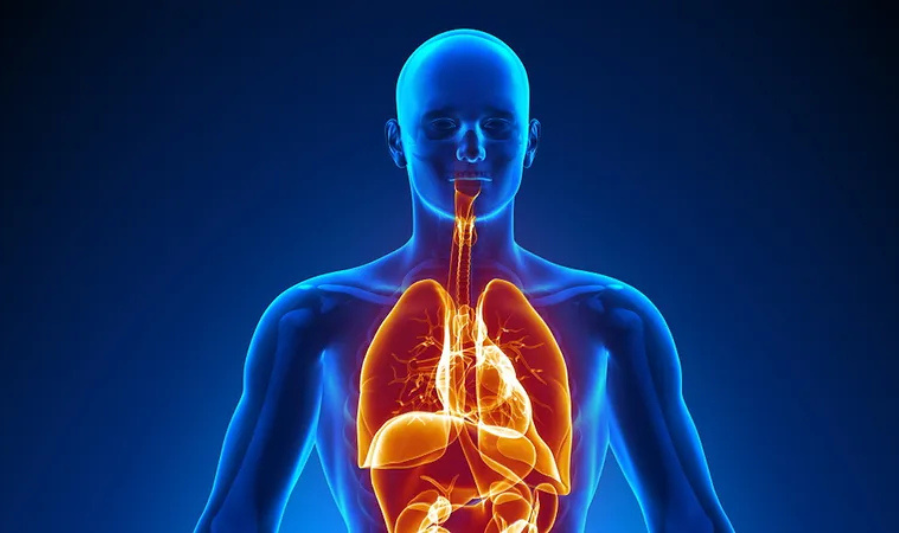
The human body is made up of several interconnected systems that work together to keep us alive and healthy. Each system has a specific role, but none of them works alone. Understanding these basics helps people appreciate how the body functions and why maintaining health is important.
Major Body Systems Overview
The body contains multiple organ systems, including the nervous, circulatory, respiratory, and digestive systems. Each system performs essential tasks such as controlling movement, transporting blood, enabling breathing, and processing food into energy. Together, these systems ensure that the body operates smoothly and efficiently.
Nervous System
The nervous system is the body’s control and communication system. It includes the brain, spinal cord, and nerves. It sends and receives signals to and from different parts of the body, allowing movement, sensation, thinking, and coordination. It also controls automatic functions like heartbeat and breathing.
Circulatory System
The circulatory system is responsible for transporting blood, oxygen, and nutrients throughout the body. The heart pumps blood through a network of blood vessels, including arteries, veins, and capillaries. This system also helps remove waste products like carbon dioxide from body tissues.
Respiratory System
The respiratory system allows the body to take in oxygen and remove carbon dioxide. Air enters through the nose or mouth, travels to the lungs, and reaches tiny air sacs called alveoli, where gas exchange occurs. Oxygen is transferred into the blood, while carbon dioxide is expelled from the body.
Digestive System
The digestive system breaks down food into nutrients that the body can use for energy, growth, and repair. Food passes through organs such as the stomach and intestines, where it is digested and absorbed. Waste products are then removed from the body.
How Body Systems Work Together
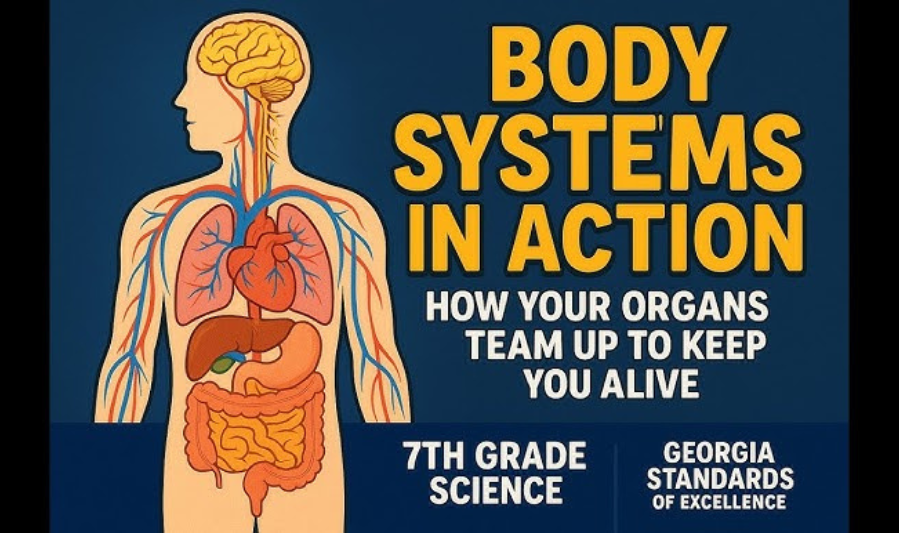
All body systems work in coordination to maintain balance and health. For example:
- The respiratory system provides oxygen
- The circulatory system transports oxygen to cells
- The digestive system supplies nutrients for energy
- The nervous system controls and coordinates all activities
This teamwork allows the body to function as a single, unified system.
Importance of Body Awareness
Understanding how the body works helps individuals make better health choices. It encourages healthy habits, early recognition of symptoms, and timely medical care. Body awareness also helps people understand how lifestyle factors like diet, exercise, sleep, and stress affect overall health.
Vital Signs and What They Mean
Vital signs are basic measurements that show how well the body is functioning. They help doctors quickly assess a person’s overall health and detect possible medical problems. The four main vital signs are body temperature, heart rate, blood pressure, and breathing rate.
Body Temperature (Normal Range)
Body temperature measures how warm or cold the body is. The normal range is usually around 36.5°C to 37.5°C (97.7°F to 99.5°F).
- High temperature (fever): May indicate infection or inflammation in the body.
- Low temperature: Can occur due to exposure to cold, infection, or certain medical conditions.
Fever is often a sign that the body is fighting an illness.
Heart Rate (Pulse)
Heart rate is the number of times the heart beats per minute. A normal resting heart rate for adults is typically 60 to 100 beats per minute.
- Fast heart rate (tachycardia): May be caused by stress, fever, dehydration, or heart problems.
- Slow heart rate (bradycardia): Can occur in healthy athletes or may indicate heart issues in some cases.
Heart rate reflects how efficiently the heart is pumping blood.
Blood Pressure
Blood pressure measures the force of blood against artery walls. A normal reading is usually around 120/80 mmHg.
- High blood pressure (hypertension): Increases the risk of heart disease, stroke, and kidney damage.
- Low blood pressure (hypotension): May cause dizziness, fainting, or weakness.
Regular monitoring helps detect cardiovascular problems early.
Breathing Rate
Breathing rate is the number of breaths taken per minute. A normal adult breathing rate is about 12 to 20 breaths per minute.
- Fast breathing: May indicate fever, anxiety, infection, or lung problems.
- Slow or irregular breathing: Can be a sign of respiratory or neurological issues.
Breathing rate shows how well the lungs are working.
What Abnormal Readings May Indicate
Abnormal vital signs can be early warning signs of health problems. They may indicate:
- Infections (fever, increased heart rate)
- Heart conditions (abnormal blood pressure or pulse)
- Lung diseases (irregular breathing rate)
- Dehydration or stress
Because changes in vital signs can signal serious conditions, regular monitoring is important for early detection and timely medical care.
Common Symptoms and Their Importance
Symptoms are the body’s way of signaling that something may be wrong. Recognizing and understanding common symptoms helps in identifying illnesses early and seeking appropriate medical care.
Fever, Cough, Fatigue, Pain, Dizziness
Some of the most common symptoms include:
- Fever: Often indicates infection or inflammation in the body.
- Cough: May be caused by respiratory infections, allergies, or irritation in the airways.
- Fatigue: A feeling of extreme tiredness that can be linked to infections, stress, poor sleep, or chronic conditions.
- Pain: A warning signal from the body that something is wrong, such as injury, inflammation, or disease.
- Dizziness: A sensation of lightheadedness that may result from dehydration, low blood pressure, or other medical issues.
These symptoms can appear alone or together, depending on the underlying condition.
Acute vs Chronic Symptoms
- Acute symptoms: Appear suddenly and last for a short time. They are often linked to infections or minor illnesses, such as a cold or flu.
- Chronic symptoms: Persist for a long period or keep returning. They are usually associated with long-term conditions like diabetes, asthma, or arthritis.
Understanding this difference helps in identifying whether a condition is temporary or requires ongoing management.
When Symptoms Should Not Be Ignored
Certain symptoms require medical attention and should not be ignored, especially if they:
- Persist for more than a few days
- Become severe or worsen over time
- Interfere with daily activities or sleep
- Include chest pain, difficulty breathing, or sudden weakness
- Are accompanied by high fever or unexplained weight loss
Early consultation with a healthcare professional can prevent complications.
Importance of Early Detection
Early detection of health problems allows for faster diagnosis and more effective treatment. Identifying symptoms early can:
- Improve recovery chances
- Prevent diseases from becoming severe
- Reduce the risk of complications
- Lower overall treatment costs
- Improve long-term health outcomes
Paying attention to symptoms and seeking timely care plays a crucial role in maintaining good health.
Basic First Aid Knowledge
First aid refers to the immediate care given to a person who is injured or suddenly becomes ill before professional medical help is available. It aims to reduce pain, prevent the condition from worsening, and sometimes save lives.
What Is First Aid?
First aid is the initial assistance provided in emergencies such as accidents, injuries, burns, or sudden illness. It does not replace medical treatment but helps stabilize the condition until a healthcare professional can take over. Basic first aid knowledge is important for responding quickly and safely in everyday situations.
Treating Minor Cuts and Wounds
Minor cuts and wounds are common injuries that can usually be treated at home:
- Wash your hands before touching the wound
- Clean the cut gently with clean water to remove dirt
- Apply antiseptic to prevent infection
- Cover with a clean bandage or dressing
- Change the dressing regularly and keep the area clean
Seek medical help if the wound is deep, bleeding heavily, or shows signs of infection like redness, swelling, or pus.
Managing Burns and Bruises
Burns:
- For minor burns, cool the area under running water for 10–20 minutes
- Do not apply ice, toothpaste, or oils
- Cover with a clean, non-stick dressing
Severe burns, large affected areas, or burns on the face or joints require immediate medical attention.
Bruises:
- Apply a cold compress to reduce swelling
- Rest the affected area
- Elevate the injured part if possible
- Most bruises heal naturally within a few days
Handling Sprains and Injuries
Sprains occur when ligaments are stretched or torn. A common first aid method is R.I.C.E.:
- Rest: Avoid using the injured area
- Ice: Apply cold packs to reduce swelling
- Compression: Use a bandage to support the area
- Elevation: Raise the injured part to reduce swelling
If pain is severe or movement is difficult, medical evaluation is needed.
Emergency Response Basics
In emergencies, quick and calm action is important:
- Check the situation for safety before helping
- Call emergency services immediately if needed
- Stay with the person and keep them calm
- Do not move the person unnecessarily, especially if there is a suspected spinal injury
- Provide basic first aid within your knowledge and ability
- Follow instructions from emergency responders
Knowing basic first aid helps you respond effectively and can make a critical difference in urgent situations.
Understanding Infections
Infections occur when harmful microorganisms enter the body, multiply, and interfere with normal body functions. These microorganisms can cause a wide range of illnesses, from mild conditions like the common cold to more serious diseases. Understanding how infections work helps in preventing and managing them effectively.
What Causes Infections (Bacteria, Viruses, Fungi)
Infections are mainly caused by three types of microorganisms:
- Bacteria: Single-celled organisms that can live in different environments. Some are harmless or beneficial, but others can cause diseases like throat infections or urinary tract infections.
- Viruses: Tiny infectious agents that need a living host to multiply. They cause illnesses such as the flu, common cold, and COVID-19.
- Fungi: Organisms that can live on skin or inside the body. Some fungi cause infections like ringworm or yeast infections, especially in warm and moist areas of the body.
Difference Between Viral and Bacterial Infections
- Bacterial infections: Caused by bacteria and often treated with antibiotics when prescribed by a doctor. These infections may affect specific areas like the throat, lungs, or urinary system.
- Viral infections: Caused by viruses and do not respond to antibiotics. They usually resolve on their own with rest, fluids, and supportive care, although some may require antiviral medications.
Understanding this difference is important to avoid improper use of medicines.
How Infections Spread
Infections can spread in several ways, including:
- Airborne droplets from coughing or sneezing
- Direct contact with infected people
- Touching contaminated surfaces and then touching the face
- Contaminated food or water
- Insect bites in some cases
Close contact and poor hygiene increase the risk of transmission.
Prevention Methods
Preventing infections involves simple but effective habits:
- Regular handwashing with soap and water
- Maintaining personal hygiene
- Avoiding close contact with sick individuals
- Cleaning and disinfecting commonly touched surfaces
- Eating safe, properly cooked food
- Staying up to date with vaccinations
- Covering mouth and nose when coughing or sneezing
Good hygiene and awareness are key to reducing the spread of infections and protecting overall health.
Hygiene and Disease Prevention
Good hygiene is one of the most effective ways to prevent the spread of diseases. Many infections spread through contaminated hands, food, water, and environments. Practicing proper hygiene protects both individuals and communities from illness.
Handwashing Importance
Handwashing is one of the simplest and most powerful methods to prevent infections. Hands often carry invisible germs picked up from surfaces, objects, or other people.
Proper handwashing helps:
- Remove bacteria, viruses, and dirt from the hands
- Prevent infections like colds, flu, and stomach illnesses
- Reduce the spread of disease to others
Hands should be washed with soap and clean water, especially:
- Before eating or preparing food
- After using the toilet
- After coughing, sneezing, or touching waste
- After returning home from outside
You may also like to read these posts:
Artificial Intelligence: Shaping the Future of Humanity
Understanding Machine Learning and Its Real-World Applications
Understanding Data Science and Its Real-World Applications
Medical Facts You Should Know for a Healthier Life
Food and Water Safety
Unsafe food and water are major sources of disease.
To ensure safety:
- Eat freshly prepared and properly cooked food
- Wash fruits and vegetables thoroughly
- Avoid consuming uncovered or contaminated food
- Drink clean, filtered, or boiled water
- Store food properly to prevent spoilage
Poor food and water hygiene can lead to infections such as diarrhea, cholera, and food poisoning.
Personal Hygiene Habits
Personal hygiene involves keeping the body clean to prevent illness and maintain overall health.
Important habits include:
- Regular bathing or showering
- Brushing teeth twice daily
- Keeping nails clean and trimmed
- Wearing clean clothes
- Covering mouth and nose when coughing or sneezing
- Avoiding sharing personal items like towels or toothbrushes
These habits reduce the growth and spread of harmful germs.
Environmental Cleanliness
A clean environment helps reduce exposure to disease-causing organisms.
Key practices include:
- Proper disposal of waste and garbage
- Keeping homes and surroundings clean
- Preventing stagnant water to avoid mosquito breeding
- Cleaning frequently touched surfaces regularly
- Ensuring good ventilation indoors
A clean environment supports better health and reduces the risk of infections spreading in the community.
Faqs:
Why is basic medical knowledge important?
Basic medical knowledge helps you understand your body, recognize early signs of illness, and make better health decisions in everyday life.
What are the most important health basics everyone should know?
Everyone should know about hygiene, nutrition, hydration, sleep, first aid, and when to seek medical help.
How can I improve my basic medical knowledge?
You can improve it by reading trusted health articles, learning basic medical terms, and consulting healthcare professionals when needed.
When should I visit a doctor?
You should see a doctor if symptoms are severe, last more than a few days, or get worse over time.
Can basic medical knowledge help prevent diseases?
Yes, understanding basic health practices like hygiene, diet, and exercise can help prevent many common illnesses.
Conclusion
Basic medical knowledge is essential for everyone, as it helps you better understand your body and take control of your health. From recognizing symptoms early to following simple hygiene and lifestyle habits, small actions can make a big difference in preventing illness.
By learning and applying these health basics in daily life, you can improve your well-being and reduce the risk of common diseases. Always remember, good health starts with awareness and consistent care, and professional medical advice should be sought whenever needed.