
Introduction
What Is Daily Wellness?
Daily wellness refers to the consistent practice of healthy habits that support overall well-being on a day-to-day basis. It includes simple actions such as eating nutritious food, staying physically active, managing stress, getting enough sleep, and maintaining good hygiene. Wellness is not a one-time effort but a continuous lifestyle approach.
Why Small Daily Habits Matter More Than Big Changes
Small daily habits are often more effective than sudden major changes because they are easier to maintain over time. Consistency builds long-term results, while extreme changes are harder to sustain and may lead to burnout. Simple actions done regularly—like walking daily, drinking enough water, or sleeping on time—can significantly improve health over time.
Benefits of Maintaining a Wellness Routine
A regular wellness routine provides many benefits, including:
- Improved energy levels and productivity
- Better immune system function
- Reduced stress and anxiety
- Lower risk of chronic diseases
- Improved sleep quality
- Better focus and emotional stability
Over time, these habits contribute to a healthier and more balanced lifestyle.
Overview of Physical, Mental, and Emotional Health
Wellness includes three important areas:
- Physical health: Refers to the body’s condition, including fitness, nutrition, sleep, and absence of illness.
- Mental health: Involves thinking, learning, memory, and the ability to handle stress and make decisions.
- Emotional health: Relates to understanding and managing emotions, building relationships, and coping with challenges.
All three areas are interconnected. When one improves, it often positively affects the others, creating a balanced and healthy life.
Morning Wellness Routine
Importance of Starting the Day Right
How you begin your morning can set the tone for the rest of the day. A calm and structured start helps improve focus, energy levels, and productivity. Establishing a healthy morning routine also supports better mental clarity and reduces stress throughout the day.
Drinking Water After Waking Up
Drinking water soon after waking up helps rehydrate the body after several hours of sleep. It supports digestion, boosts metabolism, and helps flush out toxins. Starting the day with a glass of clean water is a simple but powerful habit for overall health.
Light Stretching or Exercise
Light physical activity in the morning helps activate the body and improve blood circulation. Simple stretches, yoga, or a short walk can reduce stiffness, increase flexibility, and boost energy levels. Morning movement also helps improve mood and mental alertness.
Healthy Breakfast Choices
A nutritious breakfast provides the energy needed to start the day effectively. A balanced meal should include:
- Whole grains for energy
- Protein sources like eggs, yogurt, or nuts
- Fruits or vegetables for vitamins and fiber
A healthy breakfast improves concentration, supports metabolism, and prevents unhealthy snacking later in the day.
Setting Daily Intentions
Setting daily intentions involves planning your goals and mindset for the day ahead. This can include prioritizing tasks, practicing gratitude, or focusing on positive habits. It helps create direction, improves motivation, and encourages a more mindful and productive day.
Nutrition and Healthy Eating

Importance of Balanced Diet
A balanced diet provides the body with all the essential nutrients needed for energy, growth, repair, and overall health. It includes the right proportions of carbohydrates, proteins, fats, vitamins, and minerals. Eating a balanced diet regularly helps maintain a healthy weight, supports immunity, and reduces the risk of chronic diseases.
Role of Fruits, Vegetables, Protein, and Fiber
Different food groups play important roles in keeping the body healthy:
- Fruits and vegetables: Rich in vitamins, minerals, antioxidants, and water. They support immunity, digestion, and overall well-being.
- Protein: Helps build and repair muscles, tissues, and cells. Common sources include eggs, meat, fish, beans, and lentils.
- Fiber: Supports healthy digestion and helps prevent constipation. It also helps control blood sugar and cholesterol levels. Found in whole grains, fruits, vegetables, and legumes.
Including a variety of these foods ensures the body functions properly.
Healthy Snacking Habits
Healthy snacks help maintain energy levels between meals. Good snack choices include fruits, nuts, yogurt, seeds, and whole-grain options. It is important to eat snacks in moderation and avoid overeating. Choosing nutrient-rich snacks instead of processed foods helps maintain better health.
Foods to Avoid (Junk Food, Excess Sugar, Processed Foods)
Certain foods should be limited because they can negatively affect health:
- Junk food: Often high in unhealthy fats, salt, and calories
- Excess sugar: Can lead to weight gain, diabetes, and energy crashes
- Processed foods: Often contain preservatives, unhealthy fats, and added sugars
Reducing these foods helps prevent obesity, heart disease, and other health problems.
Portion Control Basics
Portion control means eating the right amount of food for your body’s needs. Even healthy foods can cause weight gain if eaten in excess. Simple tips include:
- Using smaller plates
- Eating slowly and mindfully
- Avoiding oversized servings
- Listening to hunger and fullness cues
Proper portion control supports weight management and overall health.
Physical Activity and Movement
Why Daily Movement Is Important
Daily movement is essential for maintaining good health because it keeps the body active and functioning properly. Regular physical activity improves blood circulation, supports heart health, strengthens muscles and bones, and helps maintain a healthy weight. Even small amounts of movement throughout the day can make a significant difference in overall well-being.
Simple Exercises (Walking, Jogging, Yoga)
Simple and accessible exercises are a great way to stay active:
- Walking: A low-impact activity that improves heart health and is suitable for all ages.
- Jogging: Helps build endurance, burn calories, and strengthen the cardiovascular system.
- Yoga: Improves flexibility, balance, breathing, and mental relaxation.
These activities can be easily included in a daily routine without requiring special equipment.
Benefits of Staying Active
Staying physically active provides many benefits, including:
- Improved heart and lung health
- Increased energy levels and stamina
- Better mental health and reduced stress
- Stronger muscles and bones
- Improved sleep quality
- Lower risk of chronic diseases such as diabetes and hypertension
Regular activity supports both physical and mental well-being.
How to Avoid a Sedentary Lifestyle
A sedentary lifestyle, where a person sits or lies down for long periods, can negatively affect health. To avoid it:
- Take short breaks to stand or walk every hour
- Use stairs instead of elevators when possible
- Walk or cycle for short distances
- Stretch regularly during work or study sessions
- Limit screen time and long periods of sitting
Small changes throughout the day help keep the body active.
Beginner-Friendly Fitness Tips
For beginners, it is important to start slowly and build consistency:
- Begin with 10–15 minutes of light exercise daily
- Choose enjoyable activities to stay motivated
- Set realistic and achievable goals
- Gradually increase intensity and duration
- Stay consistent rather than focusing on perfection
With time, regular physical activity becomes a natural part of daily life.
Hydration and Water Intake
Why Water Is Essential for Body Functions
Water is vital for nearly every function in the human body. It helps regulate body temperature, supports digestion, transports nutrients and oxygen to cells, and removes waste through urine and sweat. Water also keeps joints lubricated, supports brain function, and maintains overall energy levels. Without enough water, the body cannot function properly.
Signs of Dehydration
Dehydration occurs when the body loses more fluids than it takes in. Common signs include:
- Thirst
- Dry mouth and lips
- Dark yellow urine
- Fatigue or low energy
- Headache
- Dizziness
Severe dehydration may lead to confusion, rapid heartbeat, or fainting and requires medical attention.
How Much Water to Drink Daily
Daily water needs vary depending on age, activity level, climate, and health. On average:
- Adult men may need about 3–3.7 liters per day (from all fluids and food)
- Adult women may need about 2–2.7 liters per day (from all fluids and food)
There is no fixed rule for everyone. The best guide is to drink regularly and respond to thirst, especially in hot weather or during physical activity.
Best Times to Drink Water
Drinking water at the right times can support better health:
- After waking up to rehydrate the body
- Before meals to support digestion
- During and after physical activity to replace lost fluids
- When feeling thirsty throughout the day
- Before bedtime (in small amounts to avoid sleep disturbance)
Consistent hydration throughout the day is more effective than drinking large amounts at once.
Mental Wellness and Stress Management
Importance of Mental Health
Mental health is an essential part of overall well-being. It affects how people think, feel, behave, and handle daily challenges. Good mental health supports clear thinking, emotional stability, better relationships, and improved decision-making. It is just as important as physical health for living a balanced and productive life.
Stress Triggers in Daily Life
Stress is a normal response to pressure, but too much stress can affect both mind and body. Common stress triggers include:
- Work or study pressure
- Financial worries
- Family or relationship issues
- Lack of sleep or rest
- Health concerns
- Excessive screen time or information overload
Identifying stress triggers helps in managing them more effectively.
Relaxation Techniques (Breathing, Meditation)
Relaxation techniques help calm the mind and reduce stress levels:
- Deep breathing: Slow, controlled breathing helps lower heart rate and relax the body.
- Meditation: Focuses the mind and reduces negative thoughts, improving emotional balance.
- Mindfulness: Staying present in the moment helps reduce anxiety about the past or future.
Practicing these techniques regularly can improve mental clarity and emotional well-being.
Taking Mental Breaks
Taking short mental breaks during the day helps prevent burnout and improves productivity. This can include stepping away from work, stretching, listening to music, or spending time outdoors. Even a few minutes of rest can refresh the mind and improve focus.
Staying Emotionally Balanced
Emotional balance means managing feelings in a healthy way and responding calmly to life situations. It can be supported by:
- Talking to trusted friends or family
- Maintaining a healthy daily routine
- Engaging in hobbies and enjoyable activities
- Getting enough sleep and rest
- Practicing gratitude and positive thinking
A stable emotional state helps improve resilience and overall quality of life.
Sleep and Rest
Importance of Quality Sleep
Quality sleep is essential for physical recovery, brain function, and emotional balance. During sleep, the body repairs tissues, strengthens the immune system, and regulates hormones. The brain also processes information, supports memory, and restores mental energy, making sleep vital for daily performance and long-term health.
Recommended Sleep Duration
Sleep needs vary by age, but general recommendations are:
- Adults: 7–9 hours per night
- Teenagers: 8–10 hours per night
- Children: 9–12 hours per night
Getting enough sleep consistently helps maintain energy, focus, and overall well-being.
Sleep Hygiene Tips
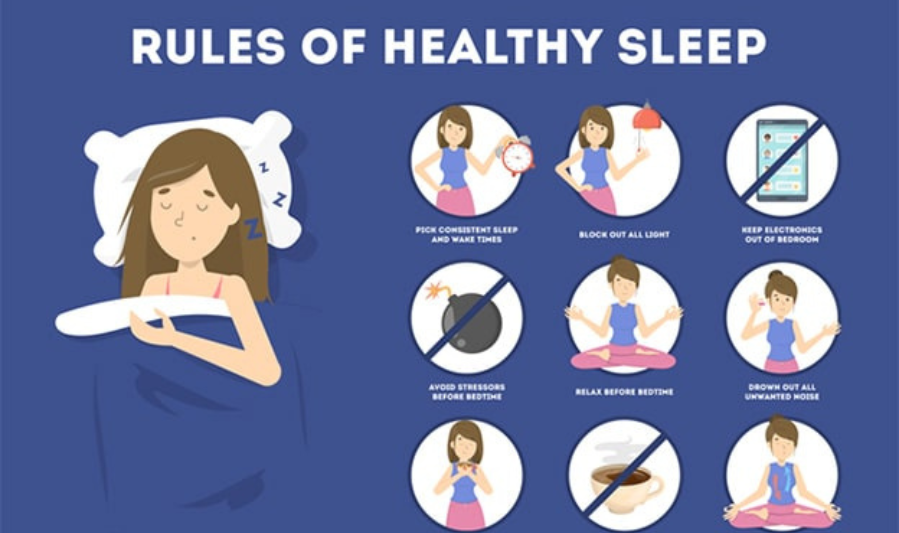
Good sleep hygiene improves the quality of rest. Helpful practices include:
- Going to bed and waking up at the same time daily
- Avoiding screens (phones, TVs) before sleep
- Keeping the bedroom dark, quiet, and cool
- Avoiding caffeine or heavy meals late in the day
- Engaging in relaxing activities like reading or light stretching before bed
These habits help the body prepare for restful sleep.
Effects of Poor Sleep on Health
Lack of proper sleep can negatively affect both the body and mind. Common effects include:
- Fatigue and low energy
- Poor concentration and memory
- Mood changes, irritability, and stress
- Weakened immune system
- Increased risk of obesity, diabetes, and heart disease
- Reduced productivity and performance
Chronic poor sleep can seriously impact long-term health.
You may also like to read these posts:
Artificial Intelligence: Shaping the Future of Humanity
Understanding Machine Learning and Its Real-World Applications
Understanding Data Science and Its Real-World Applications
Medical Facts You Should Know for a Healthier Life
Building a Consistent Sleep Routine
A consistent sleep routine helps regulate the body’s internal clock. To build one:
- Sleep and wake up at the same time every day
- Create a calming bedtime routine
- Avoid stimulating activities before bed
- Limit daytime naps if they affect nighttime sleep
- Stay consistent even on weekends
Over time, a regular sleep schedule improves sleep quality and overall health.
Faqs:
What are daily wellness tips?
Daily wellness tips are simple healthy habits like eating well, staying active, drinking water, sleeping properly, and managing stress to improve overall health.
How can I start a daily wellness routine?
You can start by adding small habits such as drinking water in the morning, walking daily, eating balanced meals, and getting enough sleep.
How long does it take to see results from wellness habits?
It depends on consistency, but many people start noticing improvements in energy, mood, and health within a few weeks.
What is the most important wellness habit?
All habits are important, but maintaining a balanced diet, regular exercise, and good sleep are considered the foundation of good health.
Can small daily changes really improve health?
Yes, even small changes like walking daily or drinking more water can significantly improve long-term physical and mental health.
Conclusion
Daily wellness is built through small, consistent habits that support both body and mind. Simple actions like eating balanced meals, staying active, drinking enough water, sleeping well, and managing stress can greatly improve your overall health over time.
You don’t need major lifestyle changes to feel better—just steady, mindful improvements every day. By following these wellness tips regularly, you can build a healthier, more balanced, and more energetic life.