
Introduction
What Are Preventive Health Measures?
Preventive health measures are actions taken to protect health and reduce the risk of disease before illness develops. These measures include maintaining a healthy lifestyle, receiving recommended vaccinations, attending regular medical checkups, practicing good hygiene, and participating in health screenings. The goal is to prevent disease, detect health problems early, and promote long-term well-being.
Why Prevention Is Better Than Treatment
Preventing disease is often more effective, less expensive, and easier than treating it after it occurs. Many health conditions can be avoided or managed successfully through healthy habits and early intervention. Prevention reduces the risk of serious complications, improves quality of life, and helps people remain active and independent for longer.
Benefits of Preventive Healthcare
Preventive healthcare offers many advantages, including:
- Reducing the risk of infectious and chronic diseases
- Detecting health problems at an early stage
- Improving treatment outcomes through early intervention
- Lowering healthcare costs over time
- Strengthening the immune system through healthy practices and vaccinations
- Promoting a longer, healthier life
- Supporting overall physical, mental, and emotional well-being
Regular preventive care helps individuals stay healthier throughout every stage of life.
Importance of Healthy Daily Habits
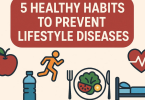
Healthy daily habits form the foundation of disease prevention and overall wellness. Simple lifestyle choices made every day can significantly reduce the risk of illness.
Important healthy habits include:
- Eating a balanced and nutritious diet
- Engaging in regular physical activity
- Drinking enough water
- Getting sufficient sleep
- Practicing good personal hygiene
- Managing stress effectively
- Avoiding tobacco and limiting alcohol consumption
- Scheduling routine medical checkups and recommended screenings
Maintaining these habits consistently helps protect the body, improves overall health, and supports long-term disease prevention.
Understanding Preventive Healthcare

Definition of Preventive Health
Preventive healthcare refers to the actions and medical services that help prevent diseases, detect health problems early, and reduce the risk of complications. It focuses on maintaining good health through healthy lifestyle choices, regular health screenings, vaccinations, and routine medical care. The goal is to keep people healthy rather than treating illnesses after they develop.
Types of Prevention
Preventive healthcare is commonly divided into three levels: primary, secondary, and tertiary prevention.
Primary Prevention
Primary prevention aims to stop diseases before they occur by reducing risk factors and promoting healthy behaviors. It focuses on protecting healthy individuals from developing illnesses.
Examples include:
- Receiving recommended vaccinations
- Eating a balanced and nutritious diet
- Exercising regularly
- Practicing good personal hygiene
- Avoiding tobacco and limiting alcohol consumption
- Using sunscreen to protect the skin
Primary prevention helps reduce the overall risk of both infectious and chronic diseases.
Secondary Prevention
Secondary prevention focuses on detecting diseases at an early stage when they are easier to treat. Regular screenings and medical checkups help identify health problems before symptoms become severe.
Examples include:
- Blood pressure screening
- Blood sugar testing
- Cholesterol testing
- Cancer screening programs
- Routine dental and eye examinations
Early detection often leads to more effective treatment and better health outcomes.
Tertiary Prevention
Tertiary prevention aims to reduce the impact of diseases that have already been diagnosed. It focuses on preventing complications, improving quality of life, and supporting recovery through ongoing treatment and rehabilitation.
Examples include:
- Managing diabetes to prevent complications
- Cardiac rehabilitation after a heart attack
- Physical therapy following an injury or surgery
- Medication and lifestyle changes for chronic diseases
This level of prevention helps people maintain independence and manage long-term health conditions effectively.
Role of Individuals in Disease Prevention
Every person has an important role in protecting their own health. Making healthy choices every day can greatly reduce the risk of disease and improve overall well-being.
Individuals can help prevent disease by:
- Eating a balanced and nutritious diet
- Staying physically active
- Drinking enough water
- Getting 7–9 hours of quality sleep each night
- Practicing good personal hygiene
- Keeping recommended vaccinations up to date
- Attending regular medical checkups and health screenings
- Managing stress in healthy ways
- Avoiding tobacco products and limiting alcohol consumption
By taking responsibility for these daily habits, individuals can lower their risk of many preventable diseases and enjoy a healthier, more active life.
Healthy Nutrition

Importance of a Balanced Diet
A balanced diet is one of the foundations of good health and disease prevention. It provides the body with the right combination of nutrients needed for energy, growth, tissue repair, and normal body functions. Eating a variety of nutritious foods also helps strengthen the immune system, maintain a healthy weight, and lower the risk of chronic diseases such as heart disease, type 2 diabetes, and certain cancers.
Essential Nutrients for Good Health
The body requires several essential nutrients to function properly:
- Carbohydrates: The body’s main source of energy.
- Proteins: Help build and repair muscles, tissues, and cells.
- Healthy fats: Support brain function, hormone production, and nutrient absorption.
- Vitamins: Help maintain immunity, vision, skin health, and many other body functions.
- Minerals: Support healthy bones, muscles, nerves, and blood production.
- Fiber: Promotes healthy digestion and helps control blood sugar and cholesterol levels.
- Water: Essential for hydration, temperature regulation, and nutrient transport.
Including a variety of nutrient-rich foods helps ensure the body receives everything it needs.
Fruits and Vegetables
Fruits and vegetables are rich in vitamins, minerals, antioxidants, and dietary fiber. Eating a wide variety of colorful fruits and vegetables each day helps:
- Strengthen the immune system
- Improve digestion
- Support heart health
- Protect cells from damage
- Reduce the risk of chronic diseases
- Maintain healthy skin and eyesight
Aim to include fruits and vegetables in every meal for the greatest health benefits.
Whole Grains and Lean Proteins
Whole grains provide long-lasting energy and are rich in fiber and essential nutrients.
Healthy whole-grain options include:
- Brown rice
- Oats
- Whole wheat bread
- Whole grain pasta
- Quinoa
- Barley
Lean proteins help build and repair body tissues while supporting muscle health.
Healthy protein sources include:
- Skinless chicken and turkey
- Fish and seafood
- Eggs
- Beans and lentils
- Tofu
- Low-fat dairy products
Combining whole grains with lean proteins creates balanced meals that keep you satisfied and energized.
Foods to Limit (Sugar, Salt, Processed Foods)
Limiting certain foods can help reduce the risk of many health problems.
Try to reduce your intake of:
- Added sugar: Found in soft drinks, sweets, desserts, and many packaged foods. Excess sugar can contribute to obesity, tooth decay, and type 2 diabetes.
- Salt (sodium): Too much salt may increase blood pressure and raise the risk of heart disease and stroke.
- Processed foods: Items such as chips, processed meats, instant noodles, and packaged snacks are often high in unhealthy fats, sodium, added sugars, and preservatives while providing few essential nutrients.
Choosing fresh, whole, and minimally processed foods most of the time supports better health and helps prevent many lifestyle-related diseases.
Regular Physical Activity
Benefits of Exercise
Regular physical activity is one of the most effective ways to improve health and prevent disease. Exercise benefits nearly every system in the body and contributes to both physical and mental well-being.
Some of the key benefits include:
- Strengthens the heart, muscles, and bones
- Improves blood circulation and lung function
- Helps maintain a healthy body weight
- Boosts energy levels and endurance
- Reduces stress, anxiety, and symptoms of depression
- Improves sleep quality
- Strengthens the immune system
- Lowers the risk of chronic diseases such as heart disease, type 2 diabetes, and certain cancers
Making exercise a regular part of daily life supports long-term health and wellness.
Recommended Activity Levels
Health experts recommend the following levels of physical activity for most adults:
- At least 150 minutes of moderate-intensity aerobic activity per week, such as brisk walking or cycling, or
- 75 minutes of vigorous-intensity aerobic activity per week, such as running or swimming, or a combination of both.
- Muscle-strengthening activities at least two days per week that target all major muscle groups.
Children and teenagers generally need more daily physical activity to support healthy growth and development.
Strength Training and Flexibility
A well-rounded fitness routine includes both strength and flexibility exercises.
Strength training helps to:
- Build and maintain muscle mass
- Strengthen bones
- Improve posture and balance
- Increase metabolism
- Support healthy aging
Examples include bodyweight exercises, resistance bands, and weight training.
Flexibility exercises help to:
- Improve joint mobility
- Reduce muscle stiffness
- Lower the risk of injury
- Improve posture and movement
Activities such as stretching and yoga are excellent ways to improve flexibility.
Daily Movement Ideas
Staying active throughout the day is just as important as planned workouts. Simple ways to increase daily movement include:
- Taking a brisk walk during breaks
- Using the stairs instead of the elevator
- Walking or cycling for short trips
- Stretching after long periods of sitting
- Gardening or doing household chores
- Dancing to your favorite music
- Playing outdoor games with family or friends
Small amounts of movement throughout the day add up and contribute to better health.
Reducing Sedentary Behavior
Sitting for long periods can increase the risk of obesity, heart disease, and other chronic conditions, even for people who exercise regularly.
To reduce sedentary time:
- Stand up and move every 30–60 minutes
- Take short walking breaks during work or study
- Stretch regularly throughout the day
- Use a standing desk if available
- Walk while talking on the phone
- Limit recreational screen time
- Choose active hobbies whenever possible
Reducing sedentary behavior and incorporating regular movement into your daily routine helps improve circulation, increase energy, and support long-term health.
Personal Hygiene
Proper Handwashing
Handwashing is one of the most effective ways to prevent the spread of infections. It removes germs, dirt, and harmful microorganisms that can enter the body through food, eyes, nose, or mouth.
When to wash hands:
- Before eating or preparing food
- After using the toilet
- After coughing, sneezing, or blowing your nose
- After touching animals or garbage
- After coming home from outside
Proper method:
- Use clean running water and soap
- Rub hands for at least 20 seconds
- Clean all areas including fingers, nails, and wrists
- Rinse thoroughly and dry with a clean towel
Oral Hygiene
Good oral hygiene helps prevent tooth decay, gum disease, and bad breath, while also supporting overall health.
Healthy habits include:
- Brushing teeth twice daily with fluoride toothpaste
- Flossing once a day to remove food between teeth
- Cleaning the tongue to reduce bacteria
- Avoiding excessive sugary foods and drinks
- Visiting a dentist regularly
Healthy teeth and gums are important for proper eating and overall well-being.
Bathing and Skin Care
Regular bathing and skin care help maintain cleanliness, prevent infections, and keep the skin healthy.
Important practices include:
- Bathing regularly with clean water and mild soap
- Washing all body parts properly, including underarms and feet
- Wearing clean clothes daily
- Keeping nails trimmed and clean
- Moisturizing skin to prevent dryness
- Protecting skin from excessive sun exposure
Good skin hygiene helps maintain comfort, confidence, and health.
Food Safety Practices
Safe food handling prevents foodborne illnesses caused by harmful bacteria and contamination.
Key practices include:
- Washing hands before handling food
- Cleaning fruits and vegetables thoroughly
- Cooking food properly at safe temperatures
- Separating raw and cooked foods
- Storing food in clean, covered containers
- Avoiding expired or spoiled food
Safe food practices protect digestive health and prevent infections.
Keeping Your Environment Clean
A clean environment reduces exposure to germs, pests, and allergens that can cause disease.
Important habits include:
- Cleaning and disinfecting frequently touched surfaces
- Proper waste disposal
- Keeping kitchens and bathrooms clean
- Washing bedding and clothes regularly
- Ensuring proper ventilation in rooms
- Removing standing water to prevent mosquito breeding
Sleep and Recovery
Importance of Quality Sleep
Quality sleep is essential for physical recovery and overall health. During sleep, the body repairs tissues, restores energy, and strengthens the immune system. The brain also processes information, improves memory, and supports emotional balance. Without proper sleep, both mental and physical performance can decline.
Recommended Sleep Duration
Sleep needs vary by age, but general recommendations include:
- Adults: 7–9 hours per night
- Teenagers: 8–10 hours per night
- Children: 9–12 hours per night
Consistently getting enough sleep is more important than occasional long sleep periods.
Effects of Sleep Deprivation
Lack of sleep can negatively affect both body and mind. Common effects include:
- Fatigue and low energy
- Poor concentration and memory problems
- Mood changes, irritability, and stress
- Weakened immune system
- Slower recovery from illness or injury
- Increased risk of chronic diseases such as obesity, diabetes, and heart disease
Long-term sleep deprivation can seriously harm overall health and quality of life.
Tips for Better Sleep Hygiene
Good sleep habits improve both sleep quality and duration:
- Maintain a consistent sleep schedule
- Avoid screens before bedtime
- Keep the bedroom dark, quiet, and cool
- Avoid caffeine and heavy meals in the evening
- Engage in relaxing activities like reading or meditation
- Exercise regularly, but not right before bed
Healthy sleep hygiene supports better recovery and overall well-being.
You may also like to read these posts:
Artificial Intelligence: Shaping the Future of Humanity
Understanding Machine Learning and Its Real-World Applications
Understanding Data Science and Its Real-World Applications
Medical Facts You Should Know for a Healthier Life
6. Staying Hydrated
Importance of Water for Body Functions
Water is essential for nearly all body functions. It helps regulate body temperature, supports digestion, transports nutrients, removes waste, and keeps joints and tissues functioning properly. Proper hydration also supports brain function, energy levels, and overall physical performance.
Daily Water Intake Recommendations
Water needs vary depending on age, activity level, climate, and health. General guidelines include:
- About 2–3 liters per day for adults (from water and other fluids)
- Increased intake during hot weather or physical activity
- More fluids needed when sweating, exercising, or during illness
A good approach is to drink water regularly throughout the day rather than waiting for thirst.
Signs of Dehydration
Dehydration occurs when the body loses more fluid than it takes in. Common signs include:
- Thirst
- Dry mouth and lips
- Dark yellow urine
- Fatigue or weakness
- Headache
- Dizziness or lightheadedness
- Reduced urination
Severe dehydration can be dangerous and may require medical attention.
Healthy Beverage Choices
Choosing the right beverages helps maintain hydration and overall health.
Healthy options include:
- Plain water
- Unsweetened herbal tea
- Low-fat or fat-free milk
- Water infused with fruits or herbs
Try to limit:
- Sugary soft drinks
- Energy drinks
- Excessively sweetened juices
- High-caffeine drinks in large amounts
Water should remain the primary drink for good health and hydration.
Sleep and Recovery
Importance of Quality Sleep
Quality sleep is essential for restoring the body and maintaining overall health. During sleep, the body repairs tissues, strengthens the immune system, and restores energy levels. The brain also processes information, improves memory, and supports emotional stability. Good sleep is necessary for physical recovery and mental performance.
Recommended Sleep Duration
Sleep needs vary by age, but general guidelines include:
- Adults: 7–9 hours per night
- Teenagers: 8–10 hours per night
- Children: 9–12 hours per night
Consistent sleep timing is just as important as total sleep duration.
Effects of Sleep Deprivation
Lack of proper sleep can negatively impact both physical and mental health. Common effects include:
- Fatigue and low energy
- Difficulty concentrating and memory problems
- Irritability and mood swings
- Weakened immune system
- Slower healing and recovery
- Increased risk of chronic diseases such as diabetes, obesity, and heart disease
Long-term sleep deprivation can significantly reduce quality of life.
Tips for Better Sleep Hygiene
Healthy sleep habits improve both sleep quality and recovery:
- Maintain a consistent sleep schedule
- Avoid screens before bedtime
- Keep the room dark, quiet, and cool
- Avoid caffeine and heavy meals in the evening
- Practice relaxation techniques like deep breathing
- Exercise regularly, but not close to bedtime
Good sleep hygiene helps the body and mind recover effectively.
6. Staying Hydrated
Importance of Water for Body Functions
Water is essential for nearly all body functions. It helps regulate temperature, supports digestion, transports nutrients, removes waste, lubricates joints, and keeps organs working properly. Hydration also supports brain function and physical performance.
Daily Water Intake Recommendations
Daily water needs depend on age, activity level, and climate. General recommendations include:
- About 2–3 liters per day for adults (including fluids from food and drinks)
- More water during hot weather or physical activity
- Increased intake when sweating or during illness
Drinking water regularly throughout the day is better than drinking large amounts at once.
Signs of Dehydration
Dehydration happens when the body loses more fluids than it takes in. Common signs include:
- Thirst
- Dry mouth and lips
- Dark yellow urine
- Headache
- Fatigue or low energy
- Dizziness
- Reduced urination
Severe dehydration may require medical attention.
Healthy Beverage Choices
Choosing healthy drinks supports proper hydration and overall health.
Good options include:
- Plain water
- Unsweetened herbal tea
- Low-fat or fat-free milk
- Fresh fruit-infused water
Limit:
- Sugary soft drinks
- Energy drinks
- Excessively sweetened beverages
- High-caffeine drinks in large amounts
Water remains the best and most important choice for daily hydration.
Faqs:
What is the main goal of preventive health measures?
The main goal is to reduce the risk of diseases by following healthy habits, early screening, and maintaining a healthy lifestyle.
What are simple preventive health habits I can follow daily?
You can follow habits like eating a balanced diet, exercising regularly, drinking enough water, sleeping well, and maintaining good hygiene.
Do preventive health measures really work?
Yes, they are highly effective in lowering the risk of many common diseases and help detect health issues early for better treatment.
Who should follow preventive health measures?
Everyone should follow them, regardless of age, because prevention is important for maintaining long-term health and well-being.
What is the difference between prevention and treatment?
Prevention focuses on avoiding diseases before they happen, while treatment is used to cure or manage a disease after it has already developed.
Conclusion
Preventive health measures are the foundation of a healthy and balanced life. By focusing on simple daily habits such as proper nutrition, regular exercise, good hygiene, quality sleep, and routine medical checkups, you can significantly reduce the risk of many diseases.
Prevention is always better than cure, and small consistent actions today can protect your health in the future. Building these habits not only improves physical well-being but also enhances mental and emotional health, leading to a better quality of life.