
Introduction
What is immunity?
Immunity is the body’s natural defense system that protects it from harmful microorganisms such as bacteria, viruses, fungi, and parasites. It is made up of cells, tissues, and organs that work together to identify and destroy disease-causing germs.
There are two main types of immunity:
- Innate immunity: The natural, inborn defense system you are born with
- Adaptive immunity: The system that learns and remembers specific germs after exposure or vaccination
Why a strong immune system is important
A strong immune system is essential for maintaining good health and preventing illness. It helps the body respond quickly and effectively to infections.
Key benefits include:
- Reducing the risk of frequent infections
- Faster recovery from illnesses
- Protection against serious diseases
- Better overall energy and health
How immunity protects the body from diseases
The immune system protects the body by detecting harmful invaders and eliminating them before they cause serious harm.
It works in several ways:
- Identifying harmful germs entering the body
- Producing white blood cells to fight infections
- Creating antibodies that target specific pathogens
- Remembering previous infections to respond faster in the future
Understanding the Immune System
How the immune system works
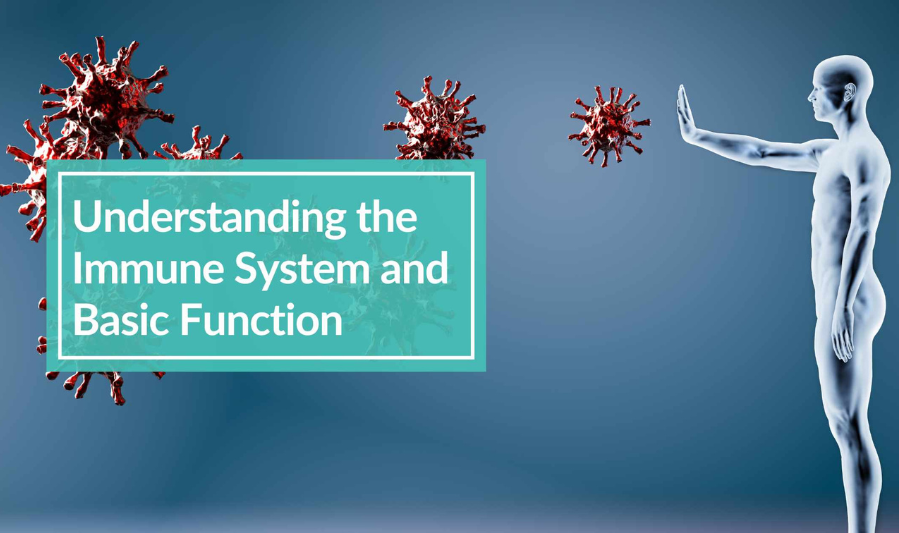
The immune system is a complex defense network that protects the body from harmful organisms like bacteria, viruses, fungi, and parasites. It works by recognizing anything “foreign” in the body and responding to eliminate it.
When germs enter the body, the immune system:
- Detects the invading microorganisms
- Activates immune cells to respond
- Attacks and destroys harmful pathogens
- Remembers the infection for faster future responses
White blood cells and their role
White blood cells (WBCs) are the main defenders of the immune system. They travel through the blood and tissues to fight infections.
Different types of white blood cells have specific roles:
- Some identify and attack germs directly
- Some produce antibodies that neutralize pathogens
- Some destroy infected cells in the body
- Some help coordinate the immune response
A higher number of healthy white blood cells generally means better protection against infections.
Natural defense mechanisms of the body
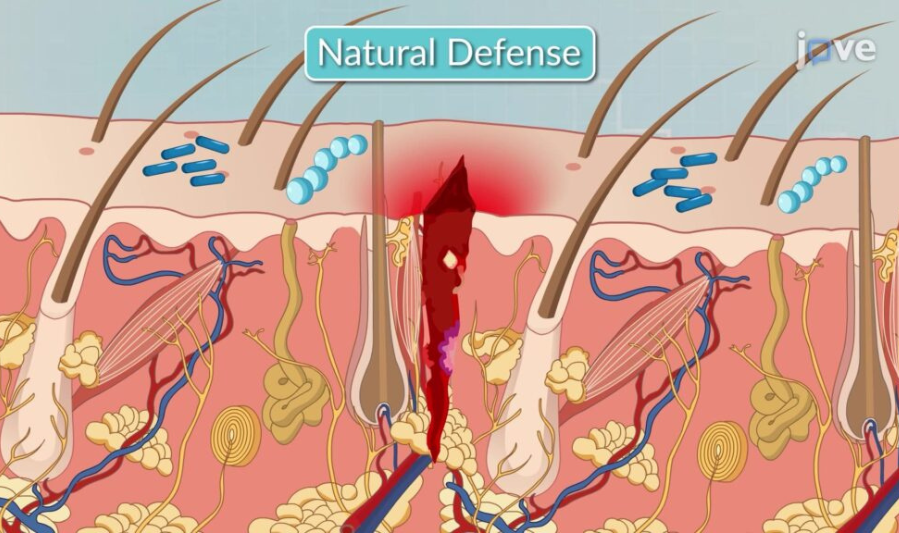
The body has several natural barriers that prevent germs from entering in the first place.
These include:
- Skin: Acts as a physical barrier against microbes
- Mucus and cilia (in the respiratory tract): Trap and remove dust and germs
- Stomach acid: Destroys harmful microorganisms in food and water
- Tears and saliva: Contain enzymes that kill or weaken bacteria
- Inflammation response: Helps isolate and repair infected areas
Importance of a Strong Immune System
Protection from infections and viruses
A strong immune system acts as the body’s first line of defense against harmful microorganisms such as bacteria and viruses. It helps identify and destroy pathogens before they can cause serious illness, reducing the chances of frequent infections.
Faster recovery from illness
When the immune system is strong, the body can respond more effectively to infections. This leads to quicker healing, reduced severity of symptoms, and faster recovery time after getting sick.
Better overall health and energy
A healthy immune system supports the proper functioning of the entire body. It helps maintain energy levels, improves physical strength, and reduces tiredness caused by repeated or long-lasting infections.
Reduced risk of chronic diseases
A strong immune system helps control inflammation and supports long-term health. This may lower the risk of developing certain chronic conditions and helps the body stay balanced and resilient over time.
Healthy Diet for Immunity
Role of vitamins (A, C, D, E)
Vitamins play an important role in strengthening the immune system and helping the body fight infections.
- Vitamin A: Supports skin health and protects the body’s first line of defense (found in carrots, spinach, eggs)
- Vitamin C: Helps produce white blood cells and speeds up healing (found in oranges, lemons, guava)
- Vitamin D: Supports immune cell function and reduces infection risk (obtained from sunlight and foods like eggs, fish)
- Vitamin E: Acts as an antioxidant and protects cells from damage (found in nuts, seeds, and vegetable oils)
Minerals like zinc and iron
Minerals are essential for proper immune function and overall health.
- Zinc: Helps immune cells work properly and supports wound healing (found in meat, beans, nuts, seeds)
- Iron: Supports oxygen transport in blood and energy production (found in spinach, lentils, red meat)
Foods that boost immunity (fruits, vegetables, nuts, seeds)
A balanced diet rich in natural foods strengthens immunity and keeps the body healthy.
- Fruits: Oranges, bananas, apples, berries
- Vegetables: Spinach, broccoli, carrots, cauliflower
- Nuts and seeds: Almonds, walnuts, sunflower seeds, pumpkin seeds
- Other healthy foods: Yogurt, garlic, ginger, whole grains
These foods provide essential nutrients, antioxidants, and fiber that support immune health.
Foods to avoid (junk food, excess sugar)
Unhealthy foods can weaken the immune system and increase the risk of illness.
- Junk food like chips, burgers, and fried snacks
- Excess sugar in sweets, soft drinks, and desserts
- Processed foods high in salt and unhealthy fats
Eating these regularly can reduce immunity, cause inflammation, and lead to poor overall health.
Hydration and Its Role
Importance of drinking water
Water is essential for almost every function in the human body. Staying well-hydrated helps maintain energy, supports digestion, and keeps the body functioning properly.
- Regulates body temperature
- Aids digestion and nutrient absorption
- Keeps skin healthy and fresh
- Supports proper functioning of organs
How hydration supports detoxification
Hydration helps the body remove waste and toxins through natural processes.
- Kidneys use water to filter waste from the blood and produce urine
- Helps flush out toxins from the body
- Supports sweating, which removes excess salts and impurities
- Improves bowel movement and prevents constipation
Healthy drink options (herbal teas, fresh juices)
Choosing healthy drinks instead of sugary beverages supports better hydration and overall health.
- Water: The best and most essential drink for hydration
- Herbal teas: Such as green tea or chamomile, which provide antioxidants
- Fresh juices: Made from fruits like orange, apple, or pomegranate (without added sugar)
- Buttermilk or lassi: Helps digestion and keeps the body cool
Avoid soft drinks and sugary beverages as they can negatively affect health and immunity.
Sleep and Recovery
Why sleep is essential for immunity
Sleep plays a key role in strengthening the immune system. During sleep, the body repairs tissues, produces immune cells, and releases important chemicals that help fight infections.
- Boosts production of white blood cells
- Helps the body recover from illness faster
- Improves memory of immune responses (better protection in the future)
- Reduces inflammation in the body
Recommended sleep hours
The amount of sleep needed depends on age, but most people need regular, quality sleep for good health.
- Adults: 7–9 hours per night
- Teenagers: 8–10 hours per night
- Children: 9–12 hours per night
Consistent sleep timing is just as important as total hours.
You may also like to read these posts:
Artificial Intelligence: Shaping the Future of Humanity
Understanding Machine Learning and Its Real-World Applications
Understanding Data Science and Its Real-World Applications
Medical Facts You Should Know for a Healthier Life
Effects of poor sleep on healt
Lack of proper sleep can weaken the immune system and negatively affect both physical and mental health.
- Increased risk of infections like cold and flu
- Low energy and tiredness during the day
- Poor concentration and memory problems
- Slower recovery from illness or injury
- Higher stress levels and mood changes
Faqs:
What is the fastest way to boost immunity?
There is no instant way, but you can quickly support immunity by eating healthy foods, staying hydrated, sleeping well, and reducing stress.
Which foods are best for improving immunity?
Fruits like oranges, vegetables like spinach, nuts, seeds, yogurt, and foods rich in vitamin C, D, and zinc are very helpful for immunity.
Can exercise really improve immunity?
Yes, regular moderate exercise like walking, yoga, or jogging helps improve blood circulation and strengthens the immune system.
How much sleep is needed for a strong immune system?
Most adults need 7–9 hours of quality sleep every night to keep the immune system strong and active.
Does stress affect immunity?
Yes, long-term stress weakens the immune system and makes the body more vulnerable to infections and illnesses.
Conclusion
Boosting immunity is a long-term process that depends on healthy daily habits rather than quick fixes. A balanced diet, regular exercise, proper sleep, good hydration, and effective stress management all work together to strengthen the immune system.
By adopting these simple lifestyle changes, you can improve your body’s natural defense system and reduce the risk of infections and diseases. Staying consistent with these habits will help you enjoy better health, more energy, and a stronger immune system for life.