
Introduction
What are infections?
An infection occurs when harmful microorganisms such as bacteria, viruses, fungi, or parasites enter the body, multiply, and cause illness or damage. These germs can affect different parts of the body, including the lungs, skin, digestive system, and blood.
Some infections are mild, like a common cold, while others can be severe and may require medical treatment.
Why infection prevention is important in daily life
Preventing infections is essential because it helps maintain good health and reduces the spread of disease in homes, schools, and communities. It also:
- Protects vulnerable groups such as children, elderly people, and those with weak immune systems
- Reduces hospital visits and medical expenses
- Helps prevent outbreaks of contagious diseases
- Encourages a healthier environment for everyone
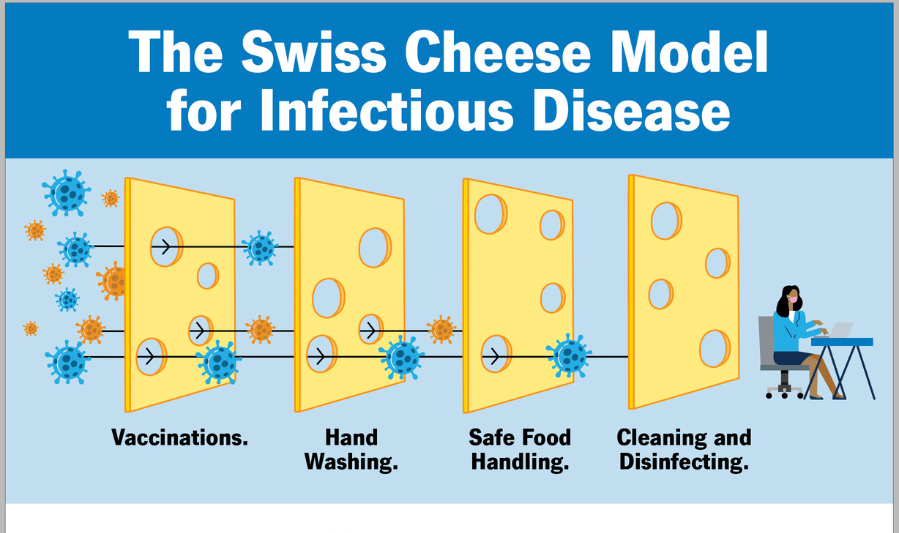
Simple practices like handwashing, safe food handling, and vaccination play a major role in prevention.
Brief overview of how infections spread (air, contact, food, water)
Air (Respiratory route)
Infections can spread through tiny droplets released when an infected person coughs, sneezes, or talks. Others may inhale these droplets and become infected. Examples include influenza and COVID-19.
Contact (Direct and indirect)
- Direct contact: touching or close physical interaction with an infected person
- Indirect contact: touching contaminated objects or surfaces such as phones, door handles, or tables
Food (Foodborne transmission)
Eating contaminated, raw, or undercooked food can introduce harmful microbes into the body, leading to illness.
Water (Waterborne transmission)
Drinking or using contaminated water can spread infections, especially in areas with poor sanitation or unsafe water sources.
Understanding Types of Infections
Bacterial infections
Bacterial infections are caused by bacteria, which are single-celled microorganisms that can live in many environments, including the human body. Some bacteria are harmless or even helpful, but harmful ones can cause disease.
Common features:
- Can often be treated with antibiotics (if prescribed properly)
- May affect the throat, lungs, skin, or urinary system
Common examples:
- Tuberculosis
- Urinary Tract Infection (UTI)
- Strep throat
- Cholera
Viral infections
Viral infections are caused by viruses, which are much smaller than bacteria and need a host (human cells) to multiply. Antibiotics do not work against viruses.
Common features:
- Spread easily through air, contact, or body fluids
- Often prevented by vaccines
- Treatment usually focuses on relieving symptoms
Common examples:
- Common cold
- Influenza (flu)
- COVID-19
- Measles
Fungal infections
Fungal infections are caused by fungi, which grow best in warm, moist environments. They usually affect the skin, nails, or sometimes internal organs.
Common features:
- Spread through contact with infected surfaces or people
- More common in hot and humid conditions
Common examples:
- Athlete’s foot
- Ringworm
- Yeast infections (Candidiasis)
- Nail fungal infections
Parasitic infections
Parasitic infections are caused by parasites that live on or inside a host and depend on it for survival. They are often spread through contaminated food, water, or insect bites.
Common features:
- Can live in the intestines, blood, or tissues
- Often linked to poor sanitation or hygiene
Common examples:
- Malaria (spread by mosquitoes)
- Giardiasis (intestinal infection)
- Lice infestation
- Tapeworm infection
Importance of Infection Prevention
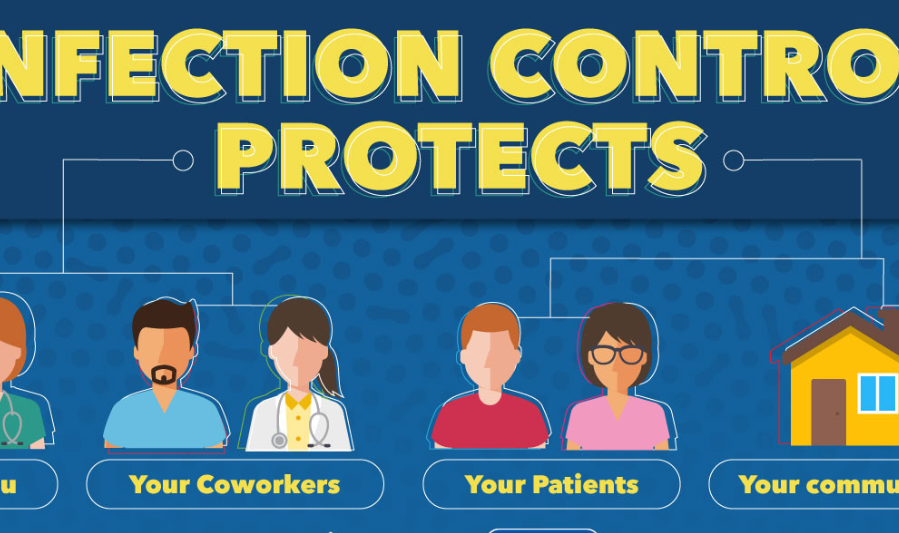
Protecting personal health
Preventing infections helps you stay healthy and avoid illness caused by harmful microorganisms. Simple habits like handwashing, eating safe food, and maintaining hygiene reduce the risk of getting sick and improve overall well-being.
Preventing community spread
When infections are prevented at an individual level, it also reduces the chances of spreading diseases to others. This helps control outbreaks in schools, workplaces, and public places, keeping the community safer.
Reducing healthcare costs
Infection prevention lowers the need for doctor visits, medications, and hospital admissions. By staying healthy, individuals and families can avoid unnecessary medical expenses and reduce the burden on healthcare systems.
Protecting vulnerable groups (children, elderly, sick people)
Some people are more at risk of severe infections due to weaker immune systems, such as young children, older adults, and individuals with chronic illnesses. Preventing infections helps protect these vulnerable groups from serious complications and health risks.
Hand Hygiene Practices
Proper handwashing steps
Proper handwashing is one of the most effective ways to prevent infections. Follow these steps:
- Wet your hands with clean, running water
- Apply soap and lather well
- Rub hands together for at least 20 seconds
- Clean all parts of the hands (backs, between fingers, under nails, thumbs)
- Rinse thoroughly with clean water
- Dry with a clean towel or air dry
When to wash hands
You should wash your hands regularly, especially:
- Before eating or preparing food
- After using the toilet
- After coughing, sneezing, or blowing your nose
- After touching animals or waste
- After returning home from outside
- Before and after caring for a sick person
Use of hand sanitizers
Hand sanitizers are useful when soap and water are not available.
- Use a sanitizer with at least 60% alcohol
- Apply enough to cover all hand surfaces
- Rub until hands are dry
- Works best on visibly clean hands (not heavily soiled)
Common mistakes to avoid
Many people reduce the effectiveness of hand hygiene by making mistakes such as:
- Washing hands too quickly (less than 20 seconds)
- Missing areas like thumbs and between fingers
- Not using soap properly
- Using sanitizer on dirty or greasy hands without washing first
- Touching surfaces again immediately after cleaning hands
Personal Hygiene Habits
Bathing and grooming routine
Regular bathing helps remove dirt, sweat, and germs from the body, reducing the risk of skin infections and body odor. Grooming activities such as washing hair, combing, and keeping hair clean also help maintain overall hygiene and a neat appearance.
- Bathe daily or regularly depending on climate and activity level
- Use clean water and soap
- Pay attention to areas like underarms, feet, and groin
Oral hygiene (brushing teeth, mouthwash)
Good oral hygiene prevents tooth decay, gum disease, and bad breath. The mouth is a common entry point for bacteria, so keeping it clean is very important.
- Brush teeth twice a day using fluoride toothpaste
- Clean all surfaces of teeth and tongue
- Use mouthwash if needed for extra protection
- Visit a dentist regularly for checkups
Nail and skin care
Dirty or long nails can carry germs that lead to infections. Skin care helps protect the body’s first line of defense.
- Keep nails clean and trimmed regularly
- Avoid biting nails
- Wash hands and feet properly
- Treat cuts or wounds quickly to prevent infection
- Keep skin moisturized to prevent dryness and cracking
Clean clothing importance
Wearing clean clothes helps prevent the growth and spread of germs. Dirty clothes can carry bacteria, sweat, and fungi.
- Change clothes daily, especially undergarments and socks
- Wash clothes regularly with soap or detergent
- Dry clothes properly in sunlight when possible
- Avoid sharing personal clothing items
Environmental Cleanliness
Cleaning and disinfecting home surfaces
Keeping home surfaces clean helps reduce the spread of germs that can cause infections. Regular cleaning removes dirt, while disinfecting kills harmful microorganisms.
- Clean frequently touched surfaces like door handles, tables, switches, and mobile phones
- Use household disinfectants or mild bleach solutions when needed
- Focus more on kitchens and bathrooms, as germs grow easily there
- Clean regularly, especially during illness in the household
Importance of ventilation
Good ventilation means allowing fresh air to circulate inside rooms. It helps remove contaminated air and reduces the concentration of airborne germs.
- Open windows and doors daily to let fresh air in
- Use fans or exhaust systems in kitchens and bathrooms
- Proper airflow reduces the risk of respiratory infections
- Sunlight also helps kill some bacteria and viruses
Waste disposal methods
Proper waste disposal prevents the spread of disease-causing organisms, pests, and unpleasant odors.
- Separate waste into biodegradable and non-biodegradable categories if possible
- Use covered bins to prevent access by flies and animals
- Dispose of garbage regularly in designated collection points
- Avoid open dumping, which attracts insects and spreads infection
You may also like to read these posts:
Artificial Intelligence: Shaping the Future of Humanity
Understanding Machine Learning and Its Real-World Applications
Understanding Data Science and Its Real-World Applications
Medical Facts You Should Know for a Healthier Life
Workplace hygiene practices
Maintaining hygiene at work protects employees and reduces the spread of illness in shared environments.
- Clean shared surfaces like desks, keyboards, and equipment regularly
- Encourage regular handwashing or sanitizer use
- Maintain clean restrooms and eating areas
- Avoid sharing personal items like cups or utensils
- Ensure proper waste management in office spaces
Faqs:
What is the best way to prevent infections?
The best way to prevent infections is to maintain good hygiene, especially regular handwashing, keeping your surroundings clean, and avoiding contact with sick people.
How does handwashing help prevent infections?
Handwashing removes germs like bacteria and viruses from your hands, preventing them from entering your body through your mouth, eyes, or nose.
Can vaccines prevent all types of infections?
No, vaccines do not prevent all infections, but they protect against many serious and life-threatening diseases by strengthening immunity.
Why is personal hygiene important in infection control?
Personal hygiene helps reduce the spread of germs on your body and prevents infections from spreading to others or entering your system.
How can I strengthen my immune system to fight infections?
You can strengthen your immune system by eating a balanced diet, exercising regularly, getting enough sleep, staying hydrated, and managing stress.
Conclusion
Infection prevention is an essential part of maintaining a healthy lifestyle. Most infections can be avoided by following simple habits such as proper hand hygiene, maintaining personal cleanliness, eating safe food, and keeping your surroundings clean. Vaccination and a strong immune system also play a key role in protecting the body from harmful diseases.
By adopting these infection prevention tips in your daily routine, you can significantly reduce the risk of illness and help protect not only yourself but also those around you. Consistency in these small habits leads to a healthier and safer life for everyone.