
Introduction
What Is Physical Wellness?
Physical wellness refers to the state of good health of the body and its proper functioning. It includes maintaining a healthy lifestyle through regular exercise, balanced nutrition, adequate sleep, hydration, and preventive healthcare. Physical wellness focuses on keeping the body strong, active, and free from illness as much as possible.
Why Physical Health Is Important for Overall Well-Being
Physical health is a foundation of overall well-being because the body supports all other aspects of life. When the body is healthy, it becomes easier to think clearly, manage emotions, and perform daily activities. Good physical health also helps prevent diseases, improves immunity, and supports long-term quality of life.
How Physical Wellness Affects Energy, Mood, and Productivity
Physical wellness has a direct impact on how a person feels and functions each day:
- Energy: A healthy body produces more energy and reduces fatigue.
- Mood: Regular physical activity and proper nutrition help release hormones that improve mood and reduce stress.
- Productivity: When the body is well-rested and nourished, focus, concentration, and efficiency improve significantly.
Poor physical health, on the other hand, can lead to tiredness, low motivation, and reduced performance.
Overview of Key Lifestyle Factors
Several important lifestyle factors contribute to physical wellness, including:
- Regular physical activity: Keeps the body strong and improves heart health.
- Balanced nutrition: Provides essential nutrients for energy and growth.
- Adequate sleep: Allows the body to recover and function properly.
- Hydration: Supports digestion, circulation, and body temperature regulation.
- Stress management: Helps prevent negative effects on physical health.
- Preventive care: Regular check-ups help detect health issues early.
Together, these habits create a strong foundation for lifelong physical wellness and overall well-being.
Importance of Regular Physical Activity
Benefits of Exercise for Body and Mind
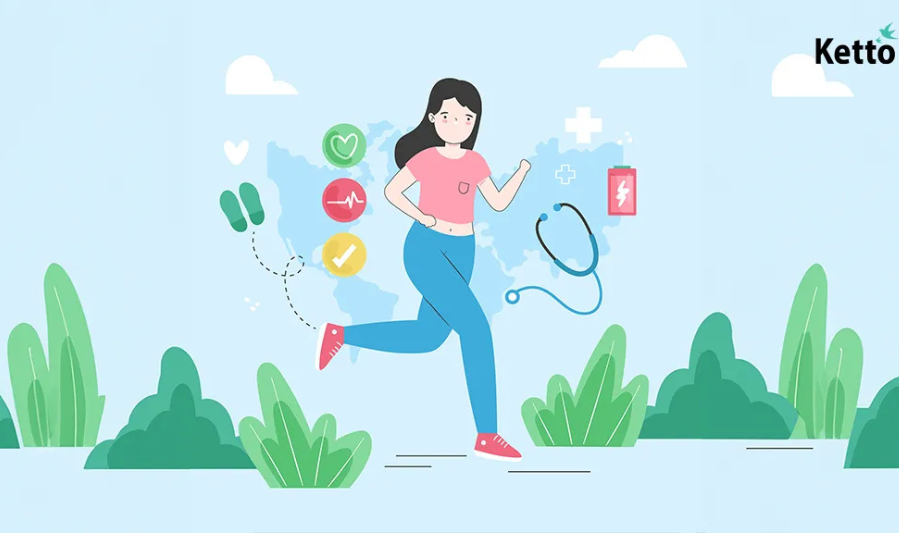
Regular physical activity is essential for maintaining both physical and mental health. Exercise strengthens the body and improves overall functioning while also supporting emotional well-being.
Key benefits include:
- Strengthens the heart, lungs, and muscles
- Improves blood circulation and oxygen flow
- Helps maintain a healthy body weight
- Boosts energy levels and reduces fatigue
- Improves mood by reducing stress, anxiety, and depression
- Enhances sleep quality and mental clarity
- Supports immune system function
Exercise benefits not only the body but also improves focus, confidence, and emotional balance.
Recommended Daily/Weekly Activity Levels
Health guidelines generally suggest:
- At least 150 minutes of moderate-intensity aerobic activity per week, or
- 75 minutes of vigorous-intensity activity per week, or a combination of both
- Muscle-strengthening activities at least 2 days per week
For general health, daily movement such as walking, stretching, or light activity is also encouraged.
Difference Between Light, Moderate, and Intense Exercise
Understanding exercise intensity helps in choosing the right activity level:
- Light exercise: Minimal effort, easy breathing (e.g., slow walking, gentle stretching, household chores)
- Moderate exercise: Noticeable increase in heart rate and breathing (e.g., brisk walking, cycling on flat ground, dancing)
- Intense (vigorous) exercise: High effort, rapid breathing and heart rate (e.g., running, fast cycling, aerobic workouts, sports like football or basketball)
Choosing the right intensity depends on fitness level, health status, and goals.
Risks of a Sedentary Lifestyle
A sedentary lifestyle involves long periods of sitting or physical inactivity. It can have serious health effects, including:
- Increased risk of obesity and weight gain
- Higher chances of heart disease and high blood pressure
- Weak muscles and poor posture
- Reduced energy levels and fatigue
- Poor circulation and slower metabolism
- Increased risk of type 2 diabetes
- Negative effects on mental health, such as stress and low mood
Even small amounts of daily movement can help reduce these risks and improve overall health.
Types of Physical Activities
Walking and Jogging
Walking and jogging are simple and effective forms of aerobic exercise. They help improve heart health, boost stamina, and support weight management. Walking is low-impact and suitable for all fitness levels, while jogging provides a more intense workout that increases cardiovascular endurance and burns more calories.
Strength Training
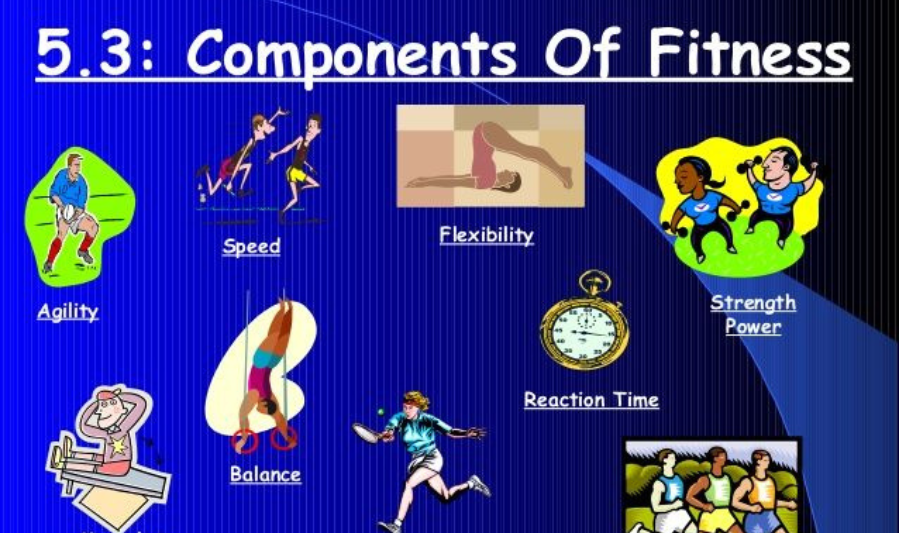
Strength training focuses on building and maintaining muscle strength. It involves resistance-based exercises that improve muscle tone, bone health, and overall body strength.
Examples include:
- Bodyweight exercises (push-ups, squats, lunges)
- Lifting weights or using resistance bands
- Functional movements like lifting or carrying objects
Strength training also helps boost metabolism and supports long-term physical health.
Yoga and Stretching
Yoga and stretching exercises improve flexibility, balance, and mental relaxation. These activities help reduce muscle stiffness and promote better posture and body awareness.
Benefits include:
- Increased flexibility and mobility
- Reduced stress and anxiety
- Improved breathing and relaxation
- Better posture and reduced muscle tension
Yoga also supports emotional well-being through mindfulness and breathing techniques.
Sports and Outdoor Activities
Sports and outdoor activities combine physical exercise with fun and social interaction. They help improve overall fitness while making exercise more enjoyable.
Examples include:
- Football, cricket, basketball
- Swimming
- Cycling
- Hiking or trekking
- Group fitness activities
These activities enhance coordination, teamwork, and endurance.
Home Workouts for Beginners
Home workouts are convenient and require little or no equipment, making them ideal for beginners.
Simple exercises include:
- Jumping jacks
- Bodyweight squats
- Wall push-ups
- Planks
- Marching in place
- Light stretching routines
Home workouts allow flexibility in timing and help build consistency in staying active.
Nutrition for Physical Wellness
Role of Balanced Diet in Body Strength
A balanced diet is essential for building and maintaining a strong and healthy body. It provides the energy needed for daily activities and supports muscle growth, tissue repair, and overall body function. Proper nutrition also strengthens the immune system and helps the body recover after physical activity, making it an important part of physical wellness.
Essential Nutrients (Protein, Carbs, Fats, Vitamins, Minerals)
The body needs different nutrients to function properly:
- Protein: Helps build and repair muscles, tissues, and cells. Found in eggs, meat, fish, beans, lentils, and dairy products.
- Carbohydrates: Main source of energy for the body. Found in whole grains, rice, bread, fruits, and vegetables.
- Fats: Provide long-lasting energy and support brain and hormone function. Healthy sources include nuts, seeds, avocados, and olive oil.
- Vitamins: Support immunity, skin health, and overall body function. Found in fruits and vegetables.
- Minerals: Important for bone strength, oxygen transport, and nerve function. Examples include calcium, iron, and potassium.
A combination of all these nutrients is necessary for optimal physical health.
Healthy Meal Planning
Meal planning helps ensure consistent intake of nutritious foods. It makes healthy eating easier and more organized.
Helpful tips include:
- Include a variety of food groups in each meal
- Plan meals ahead of time for the week
- Prepare home-cooked meals whenever possible
- Include fruits and vegetables in every meal
- Maintain regular meal timings
- Keep healthy snacks available for energy between meals
Good planning supports better nutrition and prevents unhealthy food choices.
Foods to Avoid (Junk Food, Processed Foods, Sugar)
Certain foods should be limited because they can negatively affect physical health:
- Junk food: High in unhealthy fats, salt, and calories but low in nutrients
- Processed foods: Often contain preservatives, additives, and unhealthy ingredients
- Excess sugar: Can lead to weight gain, diabetes, and energy crashes
Reducing these foods helps maintain a healthy weight, improves energy levels, and lowers the risk of chronic diseases. Choosing natural, whole foods is always a healthier option for long-term physical wellness.
Hydration and Body Function
Importance of Water in Physical Health
Water is essential for nearly every function in the human body. It helps regulate body temperature, supports digestion, transports nutrients, and removes waste through urine and sweat. Adequate hydration also keeps joints lubricated, improves circulation, and supports muscle function, making it a key factor in physical wellness.
Effects of Dehydration
Dehydration occurs when the body loses more fluids than it takes in. Even mild dehydration can affect physical and mental performance.
Common effects include:
- Fatigue and low energy
- Headaches
- Dizziness or lightheadedness
- Dry mouth and thirst
- Reduced physical performance
- Poor concentration and mood changes
- Dark yellow urine and reduced urination
Severe dehydration can lead to confusion, rapid heartbeat, or heat-related illness and requires immediate attention.
Daily Water Intake Guidelines
Water needs vary depending on age, body size, activity level, and climate. General guidelines include:
- Adult men: about 3–3.7 liters per day (from all fluids and food)
- Adult women: about 2–2.7 liters per day (from all fluids and food)
A practical approach is to:
- Drink water regularly throughout the day
- Increase intake during hot weather or physical activity
- Listen to thirst signals and adjust accordingly
There is no single fixed amount for everyone, so hydration should be personalized.
Hydration During Exercise and Heat
The body loses more fluids through sweat during exercise and in hot environments, so hydration becomes even more important.
Helpful tips include:
- Drink water before starting exercise
- Take small sips during physical activity
- Rehydrate after workouts to replace lost fluids
- Increase water intake on hot or humid days
- Wear light clothing to reduce excessive sweating
For long or intense exercise sessions, electrolyte-containing drinks may help restore minerals lost through sweat. Proper hydration during these conditions helps prevent heat exhaustion, cramps, and reduced performance.
Sleep and Physical Recovery
Why Sleep Is Essential for Body Repair
Sleep is a critical time for the body to recover and restore itself. During deep sleep, the body repairs muscles, heals tissues, and strengthens the immune system. Hormones that support growth and recovery are also released during this time. Without adequate sleep, the body cannot fully recover from daily physical and mental stress, which may lead to fatigue and poor performance.
Recommended Sleep Duration (7–9 Hours)
For most adults, 7–9 hours of sleep per night is recommended for optimal health. This amount supports:
- Proper physical recovery
- Healthy brain function and memory
- Stable mood and emotional balance
- Strong immune system
- Better energy and focus during the day
Consistently getting enough sleep is more important than occasional long sleep sessions.
Sleep Quality vs Quantity
Both sleep quality and quantity are important for physical recovery.
- Sleep quantity refers to how many hours you sleep.
- Sleep quality refers to how restful and uninterrupted your sleep is.
Even if a person sleeps for long hours, poor-quality sleep (frequent waking, noise, or discomfort) can reduce recovery benefits. Deep, uninterrupted sleep is more restorative than fragmented sleep.
Tips for Better Sleep Hygiene
Good sleep hygiene helps improve both sleep quality and duration. Helpful habits include:
- Maintain a consistent sleep and wake schedule
- Avoid screens (phones, TVs) before bedtime
- Create a calm, dark, and quiet sleeping environment
- Avoid caffeine and heavy meals late in the day
- Engage in relaxing activities before bed (reading, breathing exercises)
- Keep the bedroom cool and comfortable
- Avoid long daytime naps
Practicing these habits regularly supports better sleep, faster recovery, and improved physical wellness.
Posture and Body Mechanics
Importance of Good Posture
Good posture means keeping your body properly aligned while sitting, standing, and moving. It helps distribute body weight evenly and reduces unnecessary strain on muscles and joints. Maintaining correct posture supports spinal health, improves breathing, and enhances overall physical balance and confidence.
Effects of Poor Posture (Back Pain, Fatigue)
Poor posture can place extra stress on the body over time, leading to several health problems, including:
- Back and neck pain
- Shoulder stiffness and discomfort
- Muscle fatigue and tension
- Headaches
- Reduced flexibility and mobility
- Poor circulation
- Increased tiredness and low energy
Long-term poor posture may also contribute to chronic spine and joint issues.
You may also like to read these posts:
Artificial Intelligence: Shaping the Future of Humanity
Understanding Machine Learning and Its Real-World Applications
Understanding Data Science and Its Real-World Applications
Medical Facts You Should Know for a Healthier Life
Ergonomics for Work and Study
Ergonomics refers to arranging your workspace in a way that supports comfort and reduces strain on the body. Good ergonomic practices include:
- Keeping the screen at eye level
- Sitting with a straight back and supported lower spine
- Keeping feet flat on the floor
- Using a chair with proper lumbar support
- Positioning keyboard and mouse at a comfortable height
- Keeping frequently used items within easy reach
Proper ergonomics helps prevent discomfort and improves focus during work or study.
Stretching and Movement Breaks
Taking regular breaks is important for preventing stiffness and improving circulation, especially during long periods of sitting.
Helpful practices include:
- Standing up every 30–60 minutes
- Doing simple neck, shoulder, and back stretches
- Walking around for a few minutes
- Rolling shoulders and relaxing muscles
- Practicing light movement or desk stretches
These small breaks help reduce muscle tension, improve energy levels, and support better posture throughout the day.
Personal Hygiene and Physical Health
Daily Hygiene Habits (Bathing, Handwashing, Oral Care)
Maintaining daily hygiene is essential for good physical health and helps prevent infections and diseases.
Key habits include:
- Bathing: Regular bathing removes sweat, dirt, and bacteria from the skin, keeping the body clean and fresh.
- Handwashing: Washing hands with soap and water helps prevent the spread of germs, especially before eating, after using the toilet, and after coming from outside.
- Oral care: Brushing teeth twice a day and flossing helps prevent tooth decay, gum disease, and bad breath.
Consistent hygiene practices support overall cleanliness and well-being.
Role of Cleanliness in Disease Prevention
Cleanliness plays a major role in protecting the body from harmful microorganisms. Many infections spread through dirty hands, contaminated surfaces, and poor hygiene habits.
Good cleanliness helps:
- Reduce the spread of bacteria and viruses
- Prevent skin infections and illnesses
- Lower the risk of foodborne diseases
- Improve overall community health
Simple hygiene habits can significantly reduce the chances of getting sick.
Skin and Body Care Basics
Proper skin and body care helps maintain healthy skin and prevents irritation or infections.
Basic care tips include:
- Keeping skin clean by washing regularly
- Using mild soap to avoid skin dryness
- Moisturizing to maintain skin hydration
- Wearing clean clothes daily
- Protecting skin from excessive sun exposure
- Keeping nails trimmed and clean
Taking care of the body through good hygiene supports both physical health and confidence.
Faqs:
What is physical wellness?
Physical wellness means taking care of your body through healthy habits like exercise, proper nutrition, good sleep, hydration, and hygiene.
How can I improve my physical health?
You can improve physical health by staying active daily, eating a balanced diet, drinking enough water, sleeping well, and avoiding unhealthy habits.
How much exercise do I need every day?
Most adults should aim for at least 30 minutes of moderate physical activity on most days of the week, such as walking or light workouts.
What foods support physical wellness?
Fruits, vegetables, whole grains, lean proteins, and healthy fats support strong physical health and provide essential nutrients.
Can small daily habits really improve physical health?
Yes, even small habits like daily walking, drinking more water, and eating healthier meals can significantly improve long-term physical wellness.
Conclusion
Physical wellness is essential for living a strong, active, and healthy life. Simple habits like regular exercise, balanced nutrition, proper sleep, hydration, and good hygiene can greatly improve your overall physical health.
You don’t need drastic changes—just small, consistent efforts every day. Over time, these habits build strength, boost energy, and reduce the risk of many health problems. Start today with simple steps and stay consistent for long-term wellness.