
Introduction
What Is a Wellness Routine?
A wellness routine is a set of healthy habits that you practice consistently each day to support your physical, mental, and emotional well-being. It may include activities such as eating balanced meals, exercising regularly, drinking enough water, getting quality sleep, managing stress, and taking time for relaxation. A wellness routine provides structure and helps make healthy living a natural part of everyday life.
Why Simple Routines Are Easier to Maintain
Simple routines are easier to follow because they fit naturally into daily life and require less effort to sustain. Trying to make too many changes at once can feel overwhelming and may lead to giving up. Starting with small, realistic habits—such as taking a short walk, drinking more water, or going to bed on time—makes it easier to stay consistent and gradually build a healthier lifestyle.
Benefits of Following a Daily Wellness Routine
A consistent wellness routine offers many benefits, including:
- Improved physical health and energy levels
- Better mental focus and emotional well-being
- Stronger immune system
- Improved sleep quality
- Reduced stress and anxiety
- Lower risk of chronic diseases
- Increased productivity and overall quality of life
These daily habits work together to support long-term health and wellness.
How Consistency Leads to Long-Term Health
Consistency is the key to lasting health improvements. Small healthy actions performed every day can lead to significant results over time. Regular habits such as eating nutritious foods, staying active, getting enough sleep, and managing stress help prevent illness and improve overall well-being. Rather than seeking quick fixes, maintaining consistent routines creates sustainable lifestyle changes that support long-term health and a better quality of life.
Start Your Morning Right

A healthy morning routine can improve your energy, focus, and mood throughout the day. Simple habits practiced consistently each morning help create a positive mindset and support long-term physical and mental well-being.
Wake Up at a Consistent Time
Waking up at the same time every day helps regulate your body’s internal clock. A consistent sleep schedule can:
- Improve sleep quality
- Increase morning energy
- Enhance concentration and productivity
- Make it easier to fall asleep at night
Try to maintain the same wake-up time, even on weekends, to support a healthy daily rhythm.
Drink a Glass of Water
After several hours of sleep, the body needs fluids to rehydrate. Drinking a glass of water in the morning helps:
- Replenish lost fluids
- Support digestion
- Boost alertness
- Aid metabolism
- Prepare the body for the day ahead
Keeping a glass or bottle of water beside your bed can make this habit easier to maintain.
Practice Gratitude or Positive Thinking
Starting the day with a positive mindset can improve emotional well-being and reduce stress. You can practice gratitude by:
- Thinking of three things you are thankful for
- Writing in a gratitude journal
- Repeating positive affirmations
- Focusing on opportunities instead of challenges
These simple practices encourage optimism and help build emotional resilience.
Stretch or Do Light Exercise
Gentle movement in the morning helps wake up the body and improve circulation. Activities such as stretching, yoga, or a short walk can:
- Reduce muscle stiffness
- Improve flexibility
- Increase energy levels
- Enhance mood and mental focus
Even 10–15 minutes of light exercise can provide lasting benefits throughout the day.
Plan Your Day
Taking a few minutes to organize your day can reduce stress and improve productivity. Consider:
- Writing a simple to-do list
- Setting your top priorities
- Scheduling important tasks
- Allowing time for breaks and self-care
Having a clear plan helps you stay focused and manage your time more effectively while maintaining a healthy balance between work and personal well-being.
Eat a Healthy Breakfast

A healthy breakfast provides the body with the energy and nutrients needed to start the day. After several hours of fasting during sleep, eating a balanced morning meal helps replenish energy stores, supports brain function, and prepares the body for daily activities.
Why Breakfast Is Important
Breakfast is often considered one of the most important meals of the day because it:
- Provides energy after an overnight fast
- Improves concentration and memory
- Supports healthy metabolism
- Helps maintain stable blood sugar levels
- Reduces the likelihood of overeating later in the day
- Contributes to overall physical and mental well-being
Eating a nutritious breakfast can improve productivity and help you make healthier food choices throughout the day.
Foods to Include
A balanced breakfast should contain a variety of nutrient-rich foods.
Whole Grains
Whole grains provide complex carbohydrates and fiber, offering steady energy throughout the morning.
Healthy options include:
- Oatmeal
- Whole wheat bread
- Whole grain cereal
- Brown rice
- Whole grain wraps
These foods help keep you full for longer and support healthy digestion.
Fruits
Fruits are rich in vitamins, minerals, antioxidants, and natural fiber.
Good breakfast choices include:
- Bananas
- Apples
- Berries
- Oranges
- Papaya
- Melons
Fresh fruit adds natural sweetness and important nutrients without added sugar.
Protein
Protein supports muscle repair, promotes fullness, and helps maintain energy levels.
Healthy protein sources include:
- Eggs
- Greek yogurt
- Cottage cheese
- Nuts and seeds
- Peanut butter
- Beans or lentils
Including protein at breakfast can help reduce hunger later in the day.
Healthy Fats
Healthy fats provide long-lasting energy and support brain and heart health.
Nutritious sources include:
- Avocados
- Nuts
- Seeds
- Nut butters
- Olive oil (used in cooking)
These fats should be eaten in moderation as part of a balanced meal.
Foods to Avoid
Some breakfast foods are high in added sugar, unhealthy fats, or refined carbohydrates and provide little nutritional value. Try to limit:
- Sugary breakfast cereals
- Pastries and doughnuts
- Sweetened baked goods
- Sugary drinks
- Highly processed breakfast foods
- Foods high in trans fats
Replacing these foods with healthier alternatives helps maintain steady energy and supports overall health.
Portion Control Tips
Eating the right amount of food is just as important as choosing healthy foods. Helpful portion control tips include:
- Use a smaller plate or bowl.
- Fill half your plate with fruits or vegetables when possible.
- Include balanced portions of whole grains, protein, and healthy fats.
- Eat slowly and pay attention to hunger and fullness cues.
- Avoid eating directly from large packages.
- Choose nutrient-dense foods instead of oversized portions.
Practicing portion control helps maintain a healthy weight, supports digestion, and encourages long-term healthy eating habits.
Stay Hydrated Throughout the Day
Staying hydrated is an essential part of a healthy lifestyle. Water is involved in nearly every function of the body, including regulating temperature, transporting nutrients, supporting digestion, and removing waste. Drinking enough fluids throughout the day helps the body perform at its best and supports overall wellness.
Benefits of Proper Hydration
Proper hydration offers many health benefits, including:
- Regulates body temperature
- Supports digestion and nutrient absorption
- Helps transport oxygen and nutrients to cells
- Keeps joints lubricated
- Improves brain function, focus, and memory
- Maintains healthy skin
- Supports kidney function by removing waste products
- Helps maintain energy levels and physical performance
Drinking enough water each day contributes to both physical and mental well-being.
Signs of Dehydration
Dehydration occurs when the body loses more fluids than it replaces. Common signs include:
- Feeling thirsty
- Dry mouth and lips
- Dark yellow urine
- Fatigue or weakness
- Headache
- Dizziness or lightheadedness
- Reduced urination
- Dry skin
Severe dehydration can lead to confusion, rapid heartbeat, or fainting and requires prompt medical attention.
Daily Water Intake Recommendations
Water needs vary depending on age, body size, activity level, climate, and overall health. General recommendations include:
- Adult men: About 3–3.7 liters of total fluids per day (including water and fluids from food)
- Adult women: About 2–2.7 liters of total fluids per day (including water and fluids from food)
To stay well hydrated:
- Drink water regularly throughout the day.
- Increase fluid intake during hot weather.
- Drink more water during and after exercise.
- Respond to your body’s thirst signals.
There is no single amount that is right for everyone, so individual needs may vary.
Healthy Drink Choices
Choosing nutritious beverages helps maintain hydration while limiting added sugars and excess calories.
Healthy options include:
- Plain water
- Sparkling water without added sugar
- Unsweetened herbal tea
- Low-fat or fat-free milk
- Water infused with fruits or herbs
- Coconut water in moderation after prolonged physical activity
Try to limit beverages such as:
- Sugar-sweetened soft drinks
- Energy drinks
- Sweetened fruit beverages
- Excessively caffeinated drinks
Making water your primary beverage is one of the simplest and most effective habits for supporting long-term health and overall wellness.
Keep Your Body Active
Staying physically active is one of the most important habits for maintaining good health. Regular movement supports the heart, muscles, bones, and mind while reducing the risk of many chronic diseases. Even small amounts of activity each day can have lasting health benefits.
Importance of Daily Movement
Daily movement helps the body function efficiently and improves overall well-being. Regular physical activity:
- Strengthens the heart and lungs
- Improves blood circulation
- Builds stronger muscles and bones
- Helps maintain a healthy weight
- Boosts energy levels
- Reduces stress and improves mood
- Supports better sleep quality
- Lowers the risk of conditions such as diabetes, heart disease, and high blood pressure
Making movement part of your daily routine contributes to long-term health.
Walking, Yoga, Stretching, and Cycling
These activities are suitable for people of most ages and fitness levels:
- Walking: A simple, low-impact exercise that improves cardiovascular health and endurance.
- Yoga: Enhances flexibility, balance, strength, and relaxation while supporting mental well-being.
- Stretching: Increases flexibility, improves posture, and helps reduce muscle stiffness and the risk of injury.
- Cycling: Strengthens the legs, improves heart health, and provides an effective low-impact workout.
Combining different activities can make exercise more enjoyable and provide a variety of health benefits.
Beginner-Friendly Exercise Ideas
If you are new to exercise, start with simple activities and gradually increase your activity level. Beginner-friendly options include:
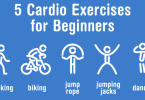
- Taking a 20–30 minute brisk walk
- Performing gentle stretching each morning
- Following a beginner yoga routine
- Climbing stairs instead of using an elevator
- Doing bodyweight exercises such as squats, wall push-ups, and lunges
- Dancing to your favorite music
- Cycling at a comfortable pace
Starting slowly helps build confidence and reduces the risk of injury.
Reducing Sedentary Time
Spending long periods sitting can negatively affect your health, even if you exercise regularly. To reduce sedentary time:
- Stand up and stretch every 30–60 minutes
- Walk during phone calls
- Use stairs whenever possible
- Take short walking breaks during work or study
- Limit recreational screen time
- Park farther from your destination to increase walking
- Choose active hobbies such as gardening or playing outdoor games
Small changes throughout the day can significantly increase your overall activity level and support better physical and mental health.
Eat Balanced Meals
Eating balanced meals is an essential part of a healthy lifestyle. A well-balanced diet provides the body with the nutrients it needs for energy, growth, repair, and disease prevention. Choosing a variety of nutritious foods each day helps support overall physical and mental well-being.
Building a Healthy Plate
A healthy plate includes a balance of different food groups to ensure your body receives essential nutrients. A simple guide is to:
- Fill half of your plate with vegetables and fruits.
- Fill one-quarter of your plate with whole grains such as brown rice, whole wheat bread, or oats.
- Fill one-quarter of your plate with lean protein sources such as chicken, fish, beans, or tofu.
- Include a small amount of healthy fats, such as nuts, seeds, or olive oil.
This balanced approach supports healthy digestion, stable energy levels, and overall wellness.
Importance of Vegetables and Fruits
Vegetables and fruits are rich in vitamins, minerals, antioxidants, and dietary fiber. Eating a variety of colorful produce helps:
- Strengthen the immune system
- Support healthy digestion
- Reduce the risk of chronic diseases
- Maintain healthy skin and eyesight
- Promote heart health
Aim to include different colors of fruits and vegetables throughout the day to obtain a wide range of nutrients.
Choosing Lean Proteins
Protein is essential for building and repairing muscles, supporting the immune system, and maintaining healthy body tissues.
Healthy lean protein sources include:
- Skinless chicken and turkey
- Fish and seafood
- Eggs
- Beans and lentils
- Tofu and soy products
- Low-fat dairy products
- Nuts and seeds (in moderation)
Including protein in each meal helps keep you feeling full and supports steady energy levels.
Healthy Snacks
Nutritious snacks can help control hunger between meals and provide additional nutrients.
Healthy snack ideas include:
- Fresh fruit
- Plain yogurt
- Unsalted nuts
- Vegetable sticks with hummus
- Whole-grain crackers
- Boiled eggs
- Air-popped popcorn
Choosing nutrient-rich snacks instead of highly processed foods supports better overall health.
You may also like to read these posts:
Artificial Intelligence: Shaping the Future of Humanity
Understanding Machine Learning and Its Real-World Applications
Understanding Data Science and Its Real-World Applications
Medical Facts You Should Know for a Healthier Life
Limiting Processed Foods
Processed foods are often high in added sugars, unhealthy fats, sodium, and preservatives while providing fewer essential nutrients. To maintain a healthy diet:
- Limit fast food and packaged snacks.
- Reduce sugary drinks and sweets.
- Choose fresh or minimally processed foods whenever possible.
- Read food labels to check for added sugar, sodium, and unhealthy fats.
- Prepare more meals at home using whole ingredients.
Reducing processed foods and focusing on balanced, nutrient-rich meals can improve energy levels, support a healthy weight, and lower the risk of chronic diseases.
Take Regular Breaks
Taking regular breaks during work or study is an important part of a healthy daily routine. Short breaks help refresh the mind and body, reduce fatigue, and improve overall productivity. Even a few minutes of rest can make it easier to stay focused and perform tasks more effectively.
Importance of Rest During Work or Study
Working or studying for long periods without breaks can lead to mental exhaustion, muscle stiffness, and reduced concentration. Taking regular breaks can:
- Improve focus and attention
- Reduce stress and mental fatigue
- Prevent muscle tension and discomfort
- Increase creativity and problem-solving ability
- Boost productivity and work performance
Aim to take a short break every 30–60 minutes to rest and recharge.
Stretching Exercises
Simple stretching exercises help relieve stiffness caused by prolonged sitting and improve blood circulation. Easy stretches include:
- Neck stretches
- Shoulder rolls
- Arm and wrist stretches
- Back stretches
- Standing hamstring and calf stretches
- Gentle leg stretches
Stretching for just 2–5 minutes during breaks can reduce muscle tension and improve flexibility.
Eye Care During Screen Time
Extended screen use can cause digital eye strain, leading to tired or dry eyes, blurred vision, and headaches. To protect your eyes:
- Follow the 20-20-20 rule: Every 20 minutes, look at something about 20 feet (6 meters) away for at least 20 seconds.
- Blink frequently to keep your eyes moist.
- Adjust screen brightness to a comfortable level.
- Keep the screen at arm’s length and slightly below eye level.
- Use proper lighting to reduce glare.
These habits help reduce eye fatigue during long periods of computer or device use.
Improving Focus and Productivity
Regular breaks improve both concentration and efficiency. To stay productive:
- Alternate periods of focused work with short breaks.
- Walk around or stretch during each break.
- Drink water and stay hydrated.
- Avoid multitasking and focus on one task at a time.
- Return to work with a clear plan for your next task.
Balancing periods of work with regular rest helps maintain energy, improve mental performance, and support long-term physical and mental well-being.
Faqs:
What is a simple wellness routine?
A simple wellness routine is a set of easy daily habits like eating healthy, staying active, drinking water, sleeping well, and managing stress to improve overall health.
How do I start a daily wellness routine?
Start with small steps such as drinking water in the morning, walking daily, eating balanced meals, and setting a consistent sleep schedule.
How long does it take to build a wellness habit?
It usually takes a few weeks to a few months of consistent practice for a habit to become part of your daily routine.
Can a simple wellness routine really improve health?
Yes, even simple and consistent habits can significantly improve energy levels, mental clarity, and overall physical health over time.
What is the easiest wellness habit to start with?
Drinking enough water, going for a short daily walk, and improving sleep habits are some of the easiest and most effective starting points.
Conclusion
A simple wellness routine is one of the easiest and most effective ways to improve your overall health. You don’t need complicated plans—just small, consistent habits like eating well, staying active, drinking enough water, sleeping properly, and managing stress.
When practiced daily, these simple actions build a strong foundation for both physical and mental well-being. The key is consistency, not perfection. Start small, stay regular, and your routine will gradually lead to a healthier and more balanced life.