
Introduction
What Is Wellness?
Wellness is the ongoing process of making healthy choices that support physical, mental, and emotional well-being. It goes beyond simply being free from illness and focuses on maintaining a balanced lifestyle through healthy habits, positive relationships, regular physical activity, proper nutrition, quality sleep, and effective stress management. Wellness is a lifelong journey that helps individuals achieve their best possible quality of life.
Why Wellness Is Important for Overall Health
Wellness plays a key role in maintaining overall health by supporting every aspect of the body and mind. A healthy lifestyle strengthens the immune system, improves energy levels, enhances mental clarity, and reduces the risk of chronic diseases. It also promotes emotional resilience, helping people cope with daily challenges more effectively. Prioritizing wellness contributes to better physical health, emotional stability, and long-term well-being.
Benefits of Starting a Wellness Journey
Beginning a wellness journey offers numerous long-term benefits, including:
- Improved physical fitness and energy
- Better mental and emotional health
- Stronger immune system
- Reduced risk of chronic diseases
- Higher productivity and concentration
- Better sleep quality
- Increased self-confidence and overall life satisfaction
Even small improvements can have a meaningful impact when practiced consistently.
How Small Daily Habits Create Lasting Results
Long-term wellness is built through consistent daily habits rather than dramatic lifestyle changes. Simple actions such as drinking enough water, eating balanced meals, exercising regularly, getting adequate sleep, and managing stress can produce significant health benefits over time. These small, sustainable habits gradually become part of a healthy routine, making it easier to maintain wellness and enjoy lasting results.
Understanding the Basics of Wellness

Definition of Wellness
Wellness is the active process of making choices and adopting habits that promote good health and overall well-being. It is more than the absence of illness—it involves maintaining a balanced lifestyle that supports the body, mind, and emotions. Wellness is achieved through consistent healthy behaviors that improve quality of life and help individuals reach their full potential.
The Different Dimensions of Wellness
Wellness is made up of several interconnected dimensions. Each dimension contributes to overall health, and maintaining balance among them is essential for a healthy and fulfilling life.
Physical Wellness
Physical wellness focuses on maintaining a healthy body through proper nutrition, regular physical activity, adequate sleep, and preventive healthcare. It also includes avoiding harmful habits such as smoking and excessive alcohol consumption. Good physical health improves energy levels, strengthens the immune system, and reduces the risk of disease.
Mental Wellness
Mental wellness refers to the ability to think clearly, learn effectively, solve problems, and make informed decisions. It involves maintaining cognitive health, managing stress, and developing healthy coping skills. Activities such as reading, learning new skills, and practicing mindfulness help support mental well-being.
Emotional Wellness
Emotional wellness is the ability to understand, express, and manage emotions in a healthy way. It includes developing self-awareness, building resilience, and maintaining a positive outlook. Emotionally healthy individuals can cope with challenges, manage stress effectively, and maintain satisfying relationships.
Social Wellness
Social wellness involves building and maintaining healthy relationships with family, friends, coworkers, and the community. Strong social connections provide emotional support, improve communication skills, reduce feelings of loneliness, and contribute to better mental and physical health.
Why Balance Is Important
The different dimensions of wellness are closely connected. When one area is neglected, it can affect the others. For example, poor physical health can increase stress, while emotional difficulties may impact sleep, relationships, and overall well-being. Maintaining balance across all dimensions of wellness helps improve quality of life, supports long-term health, and enables individuals to manage life’s challenges more effectively.
Set Realistic Wellness Goals

Setting realistic wellness goals is an important step toward building a healthier lifestyle. Goals that are practical and achievable are easier to maintain and help create lasting habits. Instead of trying to change everything at once, focus on making gradual improvements that fit your daily routine.
Start with Small, Achievable Goals
Small goals are more manageable and increase the likelihood of success. Rather than aiming for major lifestyle changes immediately, begin with simple actions such as:
- Drinking an extra glass of water each day
- Taking a 15–20 minute walk
- Eating one additional serving of vegetables
- Going to bed 30 minutes earlier
Achieving small goals builds confidence and creates motivation to continue making healthy choices.
Create a Daily Wellness Plan
A daily wellness plan helps turn goals into consistent habits. Your plan may include:
- Eating balanced meals at regular times
- Scheduling time for physical activity
- Drinking enough water throughout the day
- Taking short breaks to relax and reduce stress
- Setting a regular bedtime and wake-up time
Having a routine makes healthy behaviors easier to follow and maintain.
Track Your Progress
Monitoring your progress helps you stay motivated and identify areas for improvement. You can:
- Keep a wellness journal
- Use a habit tracker or mobile app
- Record daily exercise, water intake, sleep, or healthy meals
- Review your progress weekly or monthly
Tracking your achievements makes it easier to stay committed to your wellness journey.
Celebrate Small Milestones
Recognizing your progress, even for small achievements, helps maintain motivation. Celebrate milestones such as completing a week of regular exercise, consistently eating healthy meals, or improving your sleep routine.
Choose healthy rewards, such as:
- Buying a new book or workout accessory
- Spending time on a favorite hobby
- Enjoying a relaxing day outdoors
- Treating yourself to a healthy meal
Celebrating progress reinforces positive habits and encourages long-term success.
Build Healthy Eating Habits
Healthy eating is one of the foundations of overall wellness. Developing nutritious eating habits provides the body with the energy and nutrients it needs to function properly. Consistent healthy food choices can improve physical health, support mental well-being, and reduce the risk of many chronic diseases.
Importance of a Balanced Diet
A balanced diet includes a variety of foods that provide carbohydrates, proteins, healthy fats, vitamins, minerals, and fiber. Eating a wide range of nutritious foods helps the body:
- Maintain healthy energy levels
- Support growth and tissue repair
- Strengthen the immune system
- Promote healthy digestion
- Reduce the risk of conditions such as heart disease and diabetes
A balanced diet is about variety, moderation, and choosing nutrient-rich foods.
Eating More Fruits and Vegetables
Fruits and vegetables are packed with essential vitamins, minerals, antioxidants, and fiber. They help protect the body from disease and support overall health.
To include more fruits and vegetables:
- Add fruit to breakfast or snacks.
- Fill at least half your plate with vegetables at meals.
- Choose fresh, frozen, or minimally processed options without added sugar or salt.
- Try different colors and varieties to benefit from a wider range of nutrients.
Choosing Whole Grains and Lean Proteins
Whole grains and lean proteins provide lasting energy and support muscle health.
Healthy whole grains include:
- Brown rice
- Oats
- Whole wheat bread
- Quinoa
- Whole grain pasta
Lean protein sources include:
- Skinless chicken and turkey
- Fish
- Eggs
- Beans and lentils
- Tofu
- Low-fat dairy products
These foods help maintain muscle mass, support tissue repair, and keep you feeling full for longer.
Limiting Processed Foods and Added Sugar
Highly processed foods often contain excess salt, unhealthy fats, and added sugars while providing fewer nutrients.
To improve your diet:
- Limit sugary drinks and sweets.
- Reduce consumption of packaged snacks and fast food.
- Choose fresh, whole foods whenever possible.
- Read food labels to identify added sugars and high sodium content.
Reducing processed foods can improve heart health, support healthy weight management, and lower the risk of chronic diseases.
Healthy Meal Planning Tips
Planning meals in advance makes healthy eating easier and helps reduce unhealthy food choices.
Helpful meal planning strategies include:
- Plan meals and snacks for the week.
- Create a grocery list based on nutritious foods.
- Prepare healthy meals ahead of time when possible.
- Include a balance of vegetables, whole grains, lean proteins, and healthy fats in each meal.
- Keep healthy snacks, such as fruit, yogurt, or nuts, readily available.
A well-planned approach to eating supports consistent healthy habits and makes maintaining a balanced diet more manageable over the long term.
Stay Physically Active
Regular physical activity is one of the most effective ways to improve overall health and well-being. Exercise strengthens the body, supports mental health, and reduces the risk of many chronic diseases. Staying active does not require intense workouts—even moderate daily movement can provide significant health benefits.
Benefits of Regular Exercise
Exercise benefits nearly every system in the body. Some of the key advantages include:
- Improves heart and lung health
- Strengthens muscles and bones
- Helps maintain a healthy body weight
- Increases energy and endurance
- Reduces stress, anxiety, and symptoms of depression
- Improves sleep quality
- Enhances balance, flexibility, and coordination
- Lowers the risk of conditions such as diabetes, heart disease, and high blood pressure
Regular exercise also contributes to better mood and overall quality of life.
Beginner-Friendly Workouts
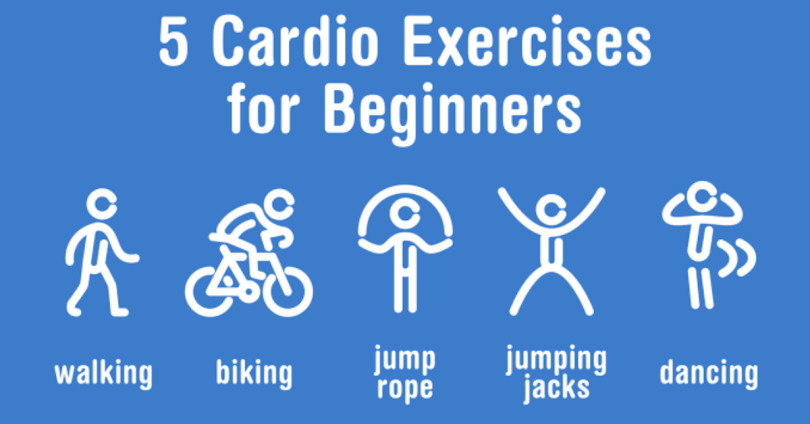
If you are new to exercise, start with activities that are easy to perform and gradually increase the intensity. Beginner-friendly workouts include:
- Brisk walking
- Gentle stretching
- Yoga
- Bodyweight exercises such as squats, wall push-ups, and lunges
- Light resistance band exercises
Starting slowly helps reduce the risk of injury and makes it easier to build a consistent routine.
Walking, Stretching, Yoga, and Cycling
These activities are suitable for people of most fitness levels:
- Walking: Improves cardiovascular health, boosts endurance, and requires no special equipment.
- Stretching: Increases flexibility, improves posture, and helps reduce muscle stiffness.
- Yoga: Enhances flexibility, balance, strength, and relaxation while supporting mental well-being.
- Cycling: A low-impact exercise that strengthens the legs, improves heart health, and increases stamina.
Combining different types of activities provides a balanced fitness routine.
How Much Exercise Is Recommended
For most healthy adults, general recommendations include:
- At least 150 minutes of moderate-intensity aerobic activity each week, such as brisk walking or cycling, or 75 minutes of vigorous-intensity activity.
- Muscle-strengthening activities involving the major muscle groups on at least two days per week.
Children and teenagers generally need more daily physical activity to support healthy growth and development.
Tips for Staying Motivated
Maintaining motivation is essential for making exercise a long-term habit. Consider these strategies:
- Set realistic and achievable fitness goals.
- Choose activities you genuinely enjoy.
- Exercise with a friend or family member for support.
- Schedule workouts as part of your daily routine.
- Track your progress to see improvements over time.
- Celebrate small achievements and stay consistent, even on busy days.
Remember that every movement counts. Building an active lifestyle through regular, enjoyable activities can lead to lasting improvements in both physical and mental health.
Drink Enough Water
Staying properly hydrated is essential for maintaining good health. Water is involved in nearly every function of the body, from regulating temperature to transporting nutrients and removing waste. Drinking enough water each day helps the body perform efficiently and supports overall well-being.
Why Hydration Matters
Water plays a vital role in many body functions, including:
- Regulating body temperature
- Transporting nutrients and oxygen to cells
- Supporting digestion and nutrient absorption
- Lubricating joints and protecting organs
- Removing waste through urine and sweat
- Supporting brain function, concentration, and energy levels
Even mild dehydration can affect physical performance and mental focus.
Signs of Dehydration
Dehydration occurs when the body loses more fluids than it replaces. Common signs include:
- Feeling thirsty
- Dry mouth and lips
- Dark yellow urine
- Fatigue or low energy
- Headache
- Dizziness or lightheadedness
- Dry skin
- Reduced urination
Severe dehydration can cause confusion, rapid heartbeat, fainting, or extreme weakness and requires prompt medical attention.
Daily Water Intake Tips
Water needs vary depending on age, body size, activity level, climate, and overall health. To stay well hydrated:
- Drink water regularly throughout the day instead of waiting until you feel very thirsty.
- Carry a reusable water bottle when away from home.
- Increase fluid intake during hot weather or after physical activity.
- Drink water before, during, and after exercise.
- Eat water-rich foods such as watermelon, oranges, cucumbers, tomatoes, and soups.
- Monitor urine color—pale yellow urine generally indicates adequate hydration.
Listening to your body’s thirst signals is an effective way to help maintain proper hydration.
Healthy Beverage Choices
Choosing nutritious beverages supports hydration while limiting unnecessary sugar and calories. Good options include:
- Plain water
- Sparkling water without added sugar
- Low-fat or fat-free milk
- Unsweetened herbal teas
- Water infused with fresh fruit or herbs
- Coconut water in moderation after prolonged physical activity
Try to limit:
- Sugar-sweetened soft drinks
- Energy drinks
- Sweetened fruit beverages
- Excessive amounts of caffeinated drinks
Making water your primary beverage is one of the simplest and most effective habits for supporting long-term health and wellness.
Prioritize Quality Sleep
Quality sleep is one of the most important pillars of good health. It allows the body and mind to recover from daily activities, supports normal body functions, and prepares you for the day ahead. Making sleep a priority can improve both your physical and mental well-being.
Why Sleep Is Essential
During sleep, the body carries out many important processes that help maintain health. Quality sleep:
- Restores energy and repairs body tissues
- Strengthens the immune system
- Supports memory, learning, and concentration
- Regulates hormones that control appetite, growth, and metabolism
- Improves mood and emotional well-being
- Reduces the risk of chronic conditions such as heart disease, obesity, and type 2 diabetes
Getting enough quality sleep helps you stay alert, productive, and healthy.
Recommended Sleep Duration
Sleep needs vary depending on age. General recommendations include:
- Adults (18–64 years): 7–9 hours per night
- Older adults (65 years and above): 7–8 hours per night
- Teenagers (13–17 years): 8–10 hours per night
- School-age children (6–12 years): 9–12 hours per night
- Preschool children (3–5 years): 10–13 hours per night
Consistently meeting these recommendations supports healthy growth, brain function, and overall wellness.
Creating a Healthy Bedtime Routine
A consistent bedtime routine helps prepare the body for restful sleep. Consider these healthy habits:
- Go to bed and wake up at the same time every day, including weekends.
- Create a relaxing routine before bedtime, such as reading or taking a warm bath.
- Keep your bedroom quiet, dark, and comfortably cool.
- Turn off electronic devices at least 30–60 minutes before bed.
- Avoid heavy meals, nicotine, and large amounts of caffeine close to bedtime.
- Practice relaxation techniques such as deep breathing or gentle stretching.
These habits help improve both the quality and consistency of sleep.
Common Sleep Mistakes to Avoid
Certain habits can interfere with healthy sleep. Try to avoid:
- Using phones, tablets, or computers just before bedtime
- Drinking excessive caffeine or energy drinks late in the day
- Going to bed at different times each night
- Eating large or heavy meals immediately before sleeping
- Taking long daytime naps that interfere with nighttime sleep
- Sleeping in a noisy, bright, or uncomfortable environment
Building healthy sleep habits and maintaining a regular sleep schedule can improve energy levels, mental focus, and long-term health.
You may also like to read these posts:
Artificial Intelligence: Shaping the Future of Humanity
Understanding Machine Learning and Its Real-World Applications
Understanding Data Science and Its Real-World Applications
Medical Facts You Should Know for a Healthier Life
Manage Stress Effectively
Stress is a normal part of life, but when it becomes frequent or intense, it can negatively affect both physical and mental health. Learning how to manage stress effectively helps improve focus, emotional balance, and overall well-being.
Common Causes of Stress
Stress can be triggered by many everyday situations, including:
- Work or academic pressure
- Financial difficulties
- Family or relationship problems
- Health concerns
- Lack of sleep or poor routines
- Overuse of social media or constant digital exposure
- Major life changes or uncertainty
Identifying personal stress triggers is the first step toward managing them effectively.
Simple Relaxation Techniques
Relaxation techniques help calm the body and reduce the effects of stress. Simple methods include:
- Listening to calming music
- Taking short breaks during busy tasks
- Gentle stretching or light exercise
- Reading or engaging in hobbies
- Journaling thoughts and feelings
- Practicing mindfulness
Even a few minutes of relaxation each day can make a noticeable difference.
Deep Breathing and Meditation
Deep breathing and meditation are powerful tools for reducing stress:
- Deep breathing: Slowly inhaling through the nose, holding for a few seconds, and exhaling through the mouth helps lower heart rate and relax the nervous system.
- Meditation: Focusing the mind on breathing, a mantra, or the present moment helps reduce negative thoughts and improves mental clarity.
Regular practice can improve emotional control and reduce anxiety over time.
Spending Time in Nature
Spending time outdoors has a calming effect on the mind and body. Nature exposure can:
- Reduce stress and anxiety levels
- Improve mood and mental clarity
- Increase feelings of relaxation and happiness
- Encourage physical activity like walking or light exercise
Even short walks in parks or green spaces can provide mental relief.
Building Healthy Coping Skills
Healthy coping skills help manage stress in a constructive way. These include:
- Talking to trusted friends or family members
- Practicing problem-solving instead of avoiding issues
- Maintaining a balanced daily routine
- Getting enough sleep and proper nutrition
- Setting realistic goals and priorities
- Seeking professional help when needed
Developing positive coping strategies helps build resilience and supports long-term mental and emotional health.
Faqs:
What is wellness for beginners?
Wellness for beginners means starting simple healthy habits like eating better, staying active, sleeping well, and managing stress to improve overall health.
How do I start living a healthier lifestyle?
You can start by making small changes such as drinking more water, walking daily, eating balanced meals, and improving your sleep routine.
What is the easiest wellness habit to start with?
The easiest habit is drinking enough water and going for a short daily walk, as both are simple and highly beneficial.
How long does it take to build healthy habits?
It usually takes a few weeks to a few months of consistency to turn a new habit into a regular part of your lifestyle.
Can small daily changes really improve health?
Yes, even small changes like better food choices or daily movement can significantly improve your physical and mental health over time.
Conclusion
Starting a wellness journey may feel challenging at first, but it becomes easy when you focus on small, simple steps. You don’t need major changes—just consistent habits like healthy eating, regular exercise, proper sleep, and stress management.
Over time, these small actions build a strong foundation for better physical and mental health. The key is consistency, not perfection. Begin with one habit today and gradually build a healthier, more balanced lifestyle for the long term.