
Introduction
What Is Overall Wellness?
Overall wellness is a holistic approach to health that focuses on the complete well-being of a person. It includes physical, mental, emotional, and social health, rather than just the absence of disease. Wellness is about making healthy choices and maintaining habits that support a balanced and fulfilling life.
Why Wellness Is More Than Just Physical Health
Wellness goes beyond physical fitness because true health also depends on how we think, feel, and interact with others. A person may be physically healthy but still experience stress, anxiety, or emotional imbalance. Therefore, overall wellness includes caring for the mind and emotions as well as the body.
Importance of Balance in Mind, Body, and Emotions
Balance between mind, body, and emotions is essential for long-term well-being. When one area is neglected, it can affect the others. For example, stress can lead to poor sleep and physical illness, while poor physical health can impact mood and mental clarity. Maintaining balance helps improve resilience, stability, and quality of life.
Overview of Key Wellness Areas
Overall wellness is made up of several important areas, including:
- Physical wellness: Exercise, nutrition, sleep, and body care
- Mental wellness: Thinking, learning, focus, and stress management
- Emotional wellness: Managing feelings and building resilience
- Social wellness: Healthy relationships and communication
- Lifestyle habits: Daily routines that support healthy living
Together, these areas work to create a strong foundation for complete well-being.
Introduction
What Is Overall Wellness?
Overall wellness is a holistic approach to health that focuses on the complete well-being of a person. It includes physical, mental, emotional, and social health, rather than just the absence of disease. Wellness is about making healthy choices and maintaining habits that support a balanced and fulfilling life.
Why Wellness Is More Than Just Physical Health
Wellness goes beyond physical fitness because true health also depends on how we think, feel, and interact with others. A person may be physically healthy but still experience stress, anxiety, or emotional imbalance. Therefore, overall wellness includes caring for the mind and emotions as well as the body.
Importance of Balance in Mind, Body, and Emotions
Balance between mind, body, and emotions is essential for long-term well-being. When one area is neglected, it can affect the others. For example, stress can lead to poor sleep and physical illness, while poor physical health can impact mood and mental clarity. Maintaining balance helps improve resilience, stability, and quality of life.
Overview of Key Wellness Areas
Overall wellness is made up of several important areas, including:
- Physical wellness: Exercise, nutrition, sleep, and body care
- Mental wellness: Thinking, learning, focus, and stress management
- Emotional wellness: Managing feelings and building resilience
- Social wellness: Healthy relationships and communication
- Lifestyle habits: Daily routines that support healthy living
Together, these areas work to create a strong foundation for complete well-being.
Physical Wellness

Importance of Staying Physically Active
Staying physically active is a key part of physical wellness. Regular movement helps keep the body strong, improves overall functioning, and reduces the risk of many health problems. It supports heart health, muscle strength, flexibility, and long-term mobility, making daily activities easier and more comfortable.
Exercise and Movement Benefits
Exercise provides both physical and mental benefits. Regular movement helps:
- Strengthen muscles and bones
- Improve heart and lung health
- Boost energy levels and stamina
- Reduce stress and improve mood
- Support healthy weight management
- Improve sleep quality
Even simple activities like walking or stretching can have a positive impact when done consistently.
Balanced Diet and Nutrition
A balanced diet is essential for maintaining physical wellness. It provides the nutrients the body needs for energy, growth, and repair.
A healthy diet includes:
- Fruits and vegetables for vitamins and minerals
- Whole grains for energy and fiber
- Lean proteins for muscle repair
- Healthy fats for brain and hormone function
Good nutrition helps the body function properly and reduces the risk of chronic diseases.
Hydration Importance
Water is essential for nearly all body functions. Staying hydrated helps regulate temperature, supports digestion, and maintains energy levels. It also helps remove waste from the body and keeps joints and tissues healthy. Drinking enough water throughout the day is important for overall physical well-being.
Sleep and Rest
Quality sleep allows the body and mind to recover. During sleep, the body repairs tissues, strengthens immunity, and restores energy. Proper rest also improves concentration, mood, and productivity. Adults generally need 7–9 hours of sleep each night for optimal health.
Preventive Health Care
Preventive health care focuses on maintaining health and detecting problems early. This includes regular check-ups, vaccinations, screenings, and healthy lifestyle habits. Preventive care helps identify health issues before they become serious and supports long-term well-being.
Mental Wellness
Importance of Mental Health
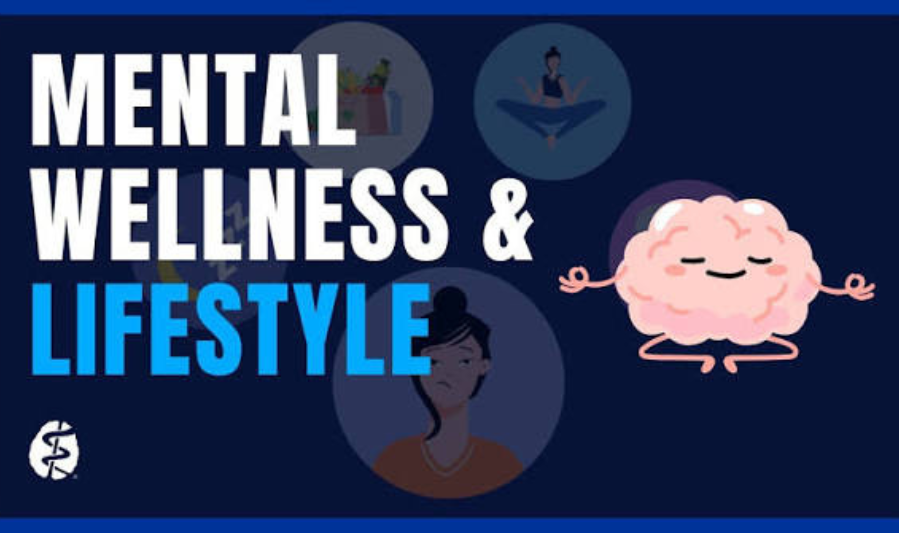
Mental health is a key part of overall well-being and affects how we think, feel, and behave in daily life. Good mental wellness helps improve decision-making, emotional stability, relationships, and overall quality of life. When mental health is strong, it becomes easier to handle challenges and maintain a balanced lifestyle.
Stress and Anxiety Management
Stress and anxiety are common, but when not managed properly, they can affect both mental and physical health. Effective management includes:
- Identifying stress triggers
- Organizing daily tasks and setting priorities
- Talking to supportive friends or family
- Maintaining a healthy routine
- Taking breaks during work or study
Managing stress early helps prevent burnout and improves emotional balance.
Focus and Productivity
Good mental wellness improves concentration, memory, and productivity. A calm and balanced mind allows better focus on tasks and improves performance in daily activities. Avoiding distractions, planning tasks, and maintaining a structured routine can significantly enhance productivity.
Relaxation Techniques (Meditation, Breathing)
Relaxation techniques help calm the mind and reduce stress levels.
- Meditation: Helps improve focus, reduce negative thoughts, and increase awareness of the present moment.
- Deep breathing: Slows the heart rate and relaxes the nervous system, reducing stress and anxiety.
Practicing these techniques regularly supports emotional stability and mental clarity.
Positive Thinking Habits
Positive thinking helps build resilience and improves mental well-being. It involves focusing on good outcomes and maintaining an optimistic mindset.
Healthy habits include:
- Practicing gratitude
- Replacing negative thoughts with positive ones
- Focusing on solutions instead of problems
- Encouraging self-confidence and self-care
Positive thinking supports better mental health and helps individuals cope with challenges more effectively.
Emotional Wellness
Understanding Emotions
Emotions are natural responses to situations, experiences, and thoughts. They influence how we feel, behave, and interact with others. Emotional wellness involves recognizing and understanding these emotions instead of ignoring or suppressing them. Being aware of emotions helps in making better decisions and maintaining balanced mental health.
Healthy Emotional Expression
Expressing emotions in a healthy way is important for emotional well-being. Instead of holding feelings inside or reacting aggressively, it is better to communicate emotions calmly and respectfully.
Healthy ways to express emotions include:
- Talking to trusted friends or family
- Writing feelings in a journal
- Engaging in creative activities like art or music
- Using calm and respectful communication
Proper emotional expression helps reduce stress and improves relationships.
Coping with Negative Feelings
Everyone experiences negative emotions such as sadness, anger, or frustration. Managing these feelings in a healthy way is important for emotional balance.
Helpful coping strategies include:
- Practicing deep breathing or relaxation techniques
- Taking breaks when feeling overwhelmed
- Engaging in physical activity or hobbies
- Focusing on solutions rather than problems
- Seeking support when needed
Healthy coping prevents emotions from building up and affecting mental health.
Building Emotional Resilience
Emotional resilience is the ability to recover from challenges and difficult situations. It helps individuals stay strong during stressful times and adapt to change.
Ways to build resilience include:
- Maintaining a positive outlook
- Learning from challenges and mistakes
- Developing problem-solving skills
- Building supportive relationships
- Practicing self-care regularly
Resilient individuals are better able to handle stress and maintain emotional balance.
Importance of Self-Awareness
Self-awareness means understanding your own emotions, thoughts, and behaviors. It is a key part of emotional wellness because it helps you recognize how emotions affect your actions.
Benefits of self-awareness include:
- Better emotional control
- Improved decision-making
- Stronger relationships
- Increased confidence and self-understanding
Practicing self-reflection helps develop emotional intelligence and supports overall well-being.
Social Wellness
Importance of Relationships
Social wellness refers to building and maintaining healthy relationships with others. Positive relationships are important because they provide emotional support, reduce stress, and improve overall well-being. Strong social connections help individuals feel valued, understood, and connected to their community.
Family and Friendship Support Systems
Family and friends play a key role in emotional and social support. They help during difficult times and share in positive experiences.
Support systems provide:
- Emotional comfort during stress or challenges
- Practical help in daily life
- A sense of belonging and security
- Encouragement and motivation
Healthy relationships with family and friends contribute to a stable and balanced life.
Communication Skills
Good communication is essential for healthy relationships. It helps people understand each other better and reduces misunderstandings.
Important communication skills include:
- Listening carefully and respectfully
- Expressing thoughts clearly and honestly
- Using polite and positive language
- Showing empathy and understanding
- Resolving conflicts calmly
Strong communication builds trust and improves relationship quality.
You may also like to read these posts:
Artificial Intelligence: Shaping the Future of Humanity
Understanding Machine Learning and Its Real-World Applications
Understanding Data Science and Its Real-World Applications
Medical Facts You Should Know for a Healthier Life
Social Interaction Benefits
Regular social interaction has many benefits for mental and emotional health. It helps people stay connected and engaged with others.
Benefits include:
- Reduced feelings of loneliness and isolation
- Improved mood and emotional well-being
- Increased confidence and self-esteem
- Better stress management
- Stronger sense of community and belonging
Healthy social connections contribute to a happier and more balanced life.
Avoiding Toxic Relationships
Toxic relationships can negatively affect emotional and mental health. These relationships may involve constant conflict, disrespect, or emotional harm.
Signs of toxic relationships include:
- Lack of respect or trust
- Constant negativity or criticism
- Emotional manipulation or control
- Feeling drained or unhappy after interactions
It is important to set boundaries and distance yourself from harmful relationships. Surrounding yourself with supportive and positive people helps maintain emotional balance and overall wellness.
Healthy Lifestyle Habits
Balanced Nutrition Plan
A balanced nutrition plan provides the body with essential nutrients needed for energy, growth, and repair. It includes a variety of food groups such as fruits, vegetables, whole grains, lean proteins, and healthy fats. Eating balanced meals helps maintain a healthy weight, supports immunity, and reduces the risk of chronic diseases.
Regular Physical Activity
Regular physical activity is essential for maintaining strong muscles, healthy bones, and a fit cardiovascular system. Activities like walking, jogging, cycling, yoga, and strength training improve energy levels, reduce stress, and enhance overall well-being. Consistency is more important than intensity when building an active lifestyle.
Proper Sleep Schedule
A proper sleep schedule helps the body and mind recover and function efficiently. Most adults need 7–9 hours of sleep each night. Maintaining a consistent sleep routine improves concentration, mood, immunity, and overall productivity. Good sleep hygiene, such as avoiding screens before bed and keeping a regular bedtime, supports better rest.
Hydration Habits
Staying hydrated is vital for maintaining body functions such as temperature regulation, digestion, and circulation. Drinking enough water throughout the day helps prevent fatigue, headaches, and dehydration. Choosing water over sugary drinks and increasing intake during hot weather or exercise supports better health.
Daily Routine Structure
A structured daily routine helps maintain balance and consistency in healthy habits. It includes planned times for meals, exercise, work or study, rest, and sleep. A well-organized routine reduces stress, improves productivity, and makes it easier to maintain long-term healthy lifestyle habits.
Faqs:
What is overall wellness?
Overall wellness is the balance of physical, mental, emotional, and social health that helps a person live a healthy and fulfilling life.
How can I improve my overall wellness?
You can improve wellness by eating healthy, exercising regularly, managing stress, sleeping well, and maintaining positive relationships.
What are the main types of wellness?
The main types include physical, mental, emotional, social, and sometimes spiritual wellness.
How long does it take to improve overall wellness?
It depends on consistency, but noticeable improvements can be seen within a few weeks of maintaining healthy habits.
Why is overall wellness important?
Overall wellness is important because it improves quality of life, boosts energy, reduces disease risk, and supports mental and emotional balance.
Conclusion
Overall wellness is about creating balance in every part of your life—physical, mental, emotional, and social. It is not achieved overnight but built through consistent healthy habits and mindful choices each day.
By focusing on simple actions like eating well, staying active, managing stress, maintaining good relationships, and getting enough rest, you can greatly improve your quality of life.
Remember, wellness is a continuous journey. Small steps taken every day can lead to long-term health, happiness, and a more balanced lifestyle.