
Introduction
What Are Healthy Wellness Habits?
Healthy wellness habits are small, consistent actions that support overall well-being. These include daily practices such as eating nutritious food, staying physically active, drinking enough water, getting quality sleep, and managing stress. Over time, these habits help improve both physical and mental health and contribute to a balanced lifestyle.
Why Daily Habits Matter More Than Quick Fixes
Daily habits are more effective than quick fixes because they create lasting change. Short-term solutions may show immediate results, but they are often difficult to maintain. In contrast, small consistent actions build strong routines that become part of everyday life. This steady approach leads to long-term health improvements without causing stress or burnout.
Benefits of Building Long-Term Wellness Routines
Developing long-term wellness routines provides many benefits, including:
- Improved physical fitness and energy levels
- Better mental focus and emotional stability
- Reduced risk of chronic diseases
- Stronger immune system
- Better sleep quality
- Increased productivity and motivation
- Improved overall quality of life
Consistent habits create a strong foundation for lifelong health.
Overview of Physical, Mental, and Emotional Health Balance
Wellness depends on balancing three key areas:
- Physical health: The condition of the body, including fitness, nutrition, sleep, and disease prevention.
- Mental health: The ability to think clearly, manage stress, and make decisions effectively.
- Emotional health: The ability to understand, express, and manage feelings in a healthy way.
All three aspects are interconnected. When one area improves or declines, it affects the others. Maintaining balance between physical, mental, and emotional health is essential for overall wellness and long-term well-being.
Morning Wellness Habits

Importance of Starting the Day Right
How you begin your morning has a strong impact on your energy, mood, and productivity throughout the day. A calm and structured morning helps improve focus, reduces stress, and sets a positive tone for better decision-making and healthy choices.
Drinking Water After Waking Up
Drinking water first thing in the morning helps rehydrate the body after hours of sleep. It supports digestion, boosts metabolism, and helps flush out toxins. This simple habit also helps wake up the body and improve alertness.
Morning Stretching or Light Exercise
Light movement in the morning helps activate the body and mind. Activities such as stretching, yoga, or a short walk can:
- Improve blood circulation
- Reduce muscle stiffness
- Increase energy levels
- Enhance flexibility and posture
Even a few minutes of movement can make the body feel more refreshed and ready for the day.
Planning Your Day
Taking a few minutes to plan your day can improve focus and productivity. This may include:
- Setting priorities and goals
- Creating a simple to-do list
- Organizing tasks by importance
- Scheduling breaks and rest time
Planning ahead helps reduce stress and makes daily activities more manageable.
Avoiding Phone Use Immediately After Waking Up
Using a phone right after waking up can increase stress and distraction. It may also reduce focus and affect mental clarity. Instead of immediately checking messages or social media, it is better to:
- Start with water and breathing exercises
- Focus on personal routines
- Take time to mentally prepare for the day
Reducing early screen time helps create a calmer and more mindful start to the day.
Physical Activity Habits

Why Regular Movement Is Essential
Regular physical activity is important for maintaining overall health. The human body is designed to move, and consistent movement helps keep the heart, muscles, joints, and mind healthy. It improves circulation, supports metabolism, and reduces the risk of many chronic diseases such as obesity, diabetes, and heart disease.
Walking, Jogging, Yoga, and Home Workouts
There are many simple ways to stay active without needing a gym:
- Walking: A low-impact activity that improves heart health and can be done anywhere.
- Jogging: Helps build stamina, burn calories, and strengthen the cardiovascular system.
- Yoga: Improves flexibility, balance, breathing, and mental relaxation.
- Home workouts: Bodyweight exercises like squats, push-ups, and planks help build strength and fitness using minimal space and equipment.
These activities are easy to include in daily life and can be adjusted based on fitness level.
Benefits of Staying Active Daily
Daily physical activity offers many health benefits, including:
- Improved heart and lung function
- Increased energy and stamina
- Better mood and reduced stress
- Stronger muscles and bones
- Improved sleep quality
- Better weight management
- Reduced risk of chronic diseases
Even small amounts of daily movement can make a significant difference over time.
Avoiding a Sedentary Lifestyle
A sedentary lifestyle involves long periods of sitting or inactivity, which can negatively affect health. To avoid it:
- Take short breaks to stand or walk every 30–60 minutes
- Use stairs instead of elevators when possible
- Walk or cycle for short distances
- Stretch regularly during work or study
- Reduce screen time when not necessary
Small changes throughout the day help keep the body active and healthy.
Tips for Consistency
Staying consistent is key to building long-term fitness habits. Helpful tips include:
- Choose activities you enjoy
- Start with small, realistic goals
- Create a fixed daily routine for exercise
- Track your progress
- Exercise with a friend or family member for motivation
- Focus on progress, not perfection
Consistency is more important than intensity when building a healthy and active lifestyle.
Hydration Habits
Importance of Drinking Enough Water
Drinking enough water is essential for maintaining overall health. Water supports nearly every function in the body, including regulating temperature, aiding digestion, transporting nutrients, and removing waste. Proper hydration also helps maintain energy levels, supports brain function, and keeps joints and tissues healthy.
Signs of Dehydration
Dehydration occurs when the body loses more fluids than it takes in. Common signs include:
- Thirst
- Dry mouth and lips
- Dark yellow urine
- Fatigue or low energy
- Headache
- Dizziness or lightheadedness
- Reduced urination
Severe dehydration can lead to confusion, rapid heartbeat, or fainting and requires medical attention.
How Much Water to Drink Daily
Daily water needs vary depending on age, body size, activity level, climate, and health. In general:
- Adult men: about 3–3.7 liters per day (from all fluids and food)
- Adult women: about 2–2.7 liters per day (from all fluids and food)
There is no single fixed rule for everyone. A good approach is to drink water regularly throughout the day and respond to thirst signals.
Healthy Beverage Choices
Choosing healthy drinks helps maintain good hydration without excess sugar or additives. Better options include:
- Plain water
- Infused water (with fruits or herbs)
- Unsweetened herbal teas
- Low-fat or skim milk
- Coconut water (in moderation)
It is best to limit:
- Sugary soft drinks
- Energy drinks
- Excessively sweetened juices
- High-caffeine beverages
Water should be the main source of daily hydration.
Hydration During Exercise and Hot Weather
The body loses more fluids during physical activity and in hot climates, so hydration needs increase.
- Drink water before, during, and after exercise
- Take small, frequent sips during long workouts
- Increase fluid intake in hot or humid weather
- Replace fluids after heavy sweating
- Consider electrolyte-rich drinks only after intense or prolonged exercise
Staying properly hydrated during these conditions helps prevent fatigue, heat exhaustion, and dehydration-related health issues.
Sleep and Rest Habits
Importance of Quality Sleep
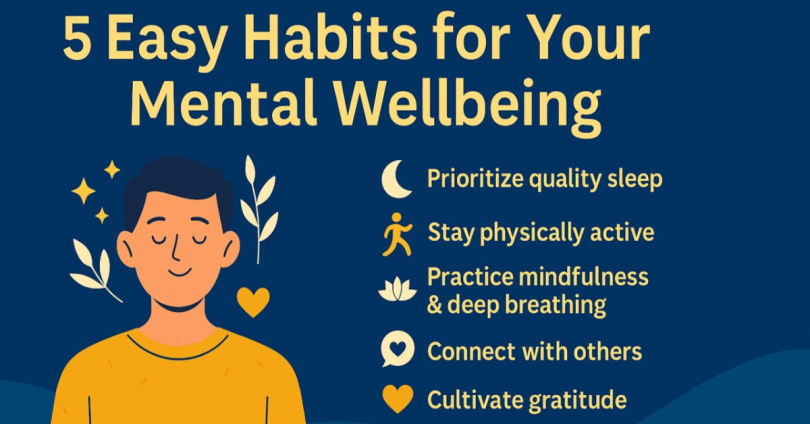
Quality sleep is essential for maintaining good physical, mental, and emotional health. During sleep, the body repairs tissues, strengthens the immune system, and restores energy. The brain also processes memories and supports learning, focus, and emotional balance. Without proper sleep, overall health and daily performance can be significantly affected.
Recommended Sleep Duration (7–9 Hours)
Most adults need around 7–9 hours of sleep per night for optimal health. Sleeping within this range helps:
- Improve concentration and memory
- Support immune function
- Maintain healthy metabolism
- Reduce stress and fatigue
Consistently getting enough sleep is more important than occasional long sleep sessions.
Sleep Routine and Consistency
A regular sleep schedule helps regulate the body’s internal clock. To build consistency:
- Go to bed and wake up at the same time every day
- Avoid large changes in sleep timing, even on weekends
- Develop a relaxing bedtime routine
- Stick to a consistent schedule over time
A stable routine improves sleep quality and makes it easier to fall asleep naturally.
Avoiding Screens Before Bed
Using phones, tablets, or computers before sleeping can interfere with rest. The blue light from screens may reduce melatonin production, making it harder to fall asleep.
To improve sleep quality:
- Avoid screens 30–60 minutes before bed
- Replace screen time with reading or relaxation
- Reduce stimulating content at night
This helps the brain prepare for restful sleep.
Creating a Comfortable Sleep Environment
A good sleep environment supports deeper and more restful sleep. Key factors include:
- A quiet and peaceful room
- Comfortable mattress and pillow
- Cool room temperature
- Minimal light or use of blackout curtains
- A clean and organized sleeping space
A calm environment signals the body that it is time to rest, improving sleep quality and duration.
Mental Wellness Habits
Importance of Mental Health
Mental health is a key part of overall well-being. It affects how people think, feel, and handle daily challenges. Good mental health helps improve focus, decision-making, relationships, and emotional stability. Taking care of mental well-being is just as important as maintaining physical health.
Stress Management Techniques
Stress is a normal response to challenges, but long-term stress can harm health. Effective stress management techniques include:
- Planning and organizing daily tasks
- Breaking large tasks into smaller steps
- Talking to trusted friends or family
- Engaging in hobbies or enjoyable activities
- Maintaining a healthy sleep schedule
- Exercising regularly
Managing stress helps improve productivity and emotional balance.
You may also like to read these posts:
Artificial Intelligence: Shaping the Future of Humanity
Understanding Machine Learning and Its Real-World Applications
Understanding Data Science and Its Real-World Applications
Medical Facts You Should Know for a Healthier Life
Meditation and Breathing Exercises
Meditation and breathing techniques help calm the mind and reduce anxiety.
- Deep breathing: Slowly inhaling through the nose, holding briefly, and exhaling through the mouth helps relax the nervous system.
- Meditation: Focusing attention on breathing or the present moment helps reduce negative thoughts and improve clarity.
Practicing these techniques regularly can improve emotional control and reduce stress levels.
Positive Thinking and Gratitude
Positive thinking helps build a healthier mindset and improves resilience during difficult times. Practicing gratitude involves focusing on the positive aspects of life.
Simple ways to practice include:
- Writing down things you are thankful for
- Focusing on achievements instead of failures
- Replacing negative thoughts with positive ones
- Appreciating small daily successes
These habits help improve mood and overall mental well-being.
Taking Breaks and Avoiding Burnout
Taking regular breaks is important to prevent mental and physical exhaustion. Continuous work without rest can lead to burnout, which affects productivity and health.
To avoid burnout:
- Take short breaks during study or work sessions
- Step away from screens regularly
- Spend time relaxing or outdoors
- Maintain a balanced daily routine
- Avoid overloading yourself with tasks
Rest and relaxation help refresh the mind and improve long-term performance and well-being.
Faqs:
What are healthy wellness habits?
Healthy wellness habits are daily actions like eating well, staying active, sleeping properly, and managing stress that improve overall physical and mental health.
How do I start building wellness habits?
Start small by choosing one habit at a time, such as drinking more water, walking daily, or improving your sleep routine.
How long does it take to form a healthy habit?
It usually takes a few weeks to a couple of months of consistent practice for a habit to become a regular part of your lifestyle.
Can small daily habits really improve health?
Yes, even small changes like daily walking or eating healthier meals can lead to significant long-term improvements in health.
What is the most important wellness habit?
There is no single most important habit, but a combination of good sleep, balanced diet, regular exercise, and stress management is essential.
Conclusion
Healthy wellness habits are the foundation of a strong and balanced life. Simple daily practices like eating nutritious food, staying active, drinking enough water, getting quality sleep, and managing stress can greatly improve both physical and mental health.
The key to success is consistency, not perfection. Even small positive changes, when practiced regularly, can lead to long-term wellness and a better quality of life. Start today with one simple habit and gradually build a healthier lifestyle for the future.